
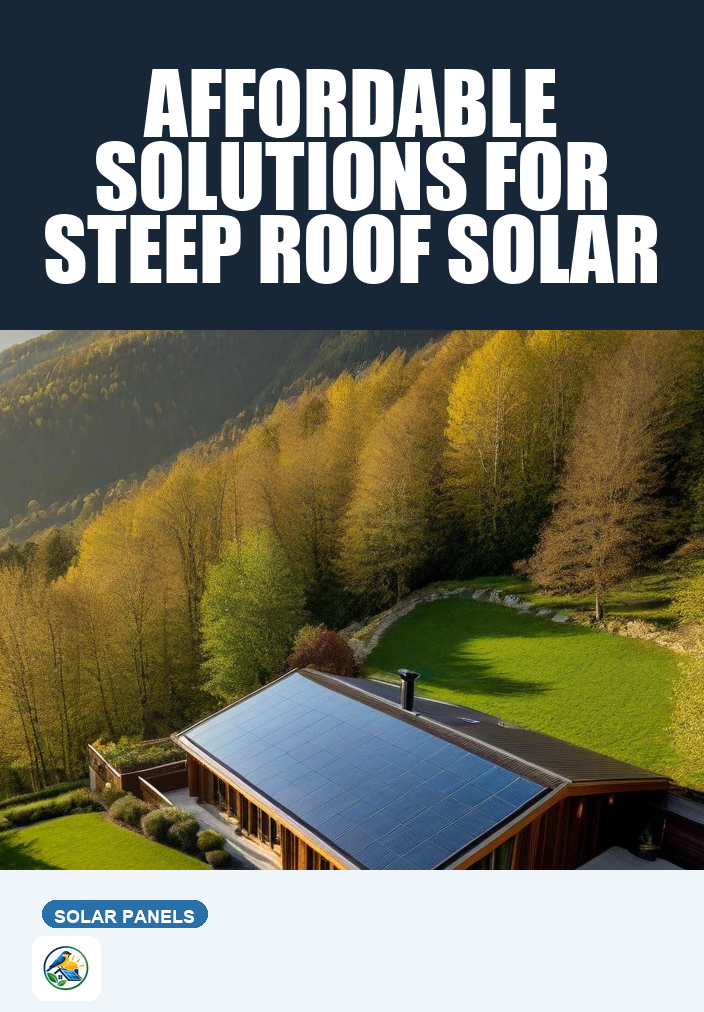
Understanding the Challenges of Installing Solar Panels on Steep Roofs
For homeowners considering solar energy, the roof often plays a pivotal role in the decision-making process. Steep roofs, while aesthetically appealing and efficient for water drainage, can present unique challenges for solar panel installation. However, with the right strategies and information, you can navigate these challenges without breaking the bank.
Assessing Your Roof’s Suitability for Solar Panels
Before diving into the installation process, it’s crucial to assess whether your steep roof is suitable for solar panels. Here are key factors to consider:
- Roof Condition: Ensure your roof is in good condition. If your roof needs repairs or replacement, it’s often best to address these issues before installing solar panels.
- Orientation and Pitch: South-facing roofs typically receive the most sunlight, while the pitch can affect panel placement. Steeper roofs may require special mounting systems to ensure stability and optimal solar gain.
- Shade Analysis: Evaluate any potential shading from nearby trees or buildings. Even a small amount of shade can significantly reduce energy production.
- Access for Installation: Steep roofs may require additional safety equipment or specialized installers, which can affect the overall cost.
Budget-Friendly Installation Options for Steep Roofs
Installing solar panels on a steep roof doesn’t have to be prohibitively expensive. Here are some budget-friendly strategies to consider:
1. Choose the Right Mounting System
Solar panels require a secure mounting system to stay in place, especially on steep roofs. Here are a few options:
- Fixed Tilt Mounts: These are the most common and cost-effective option. They are installed at a fixed angle, which can be adjusted based on your roof’s pitch.
- Adjustable Mounts: If your roof has a unique angle, adjustable mounts can be customized to fit. While slightly more expensive, they offer enhanced flexibility.
2. Optimize Panel Placement
Maximizing the number of panels you can install is key to improving efficiency:
- Panel Layout: Work with your installer to find the best layout that minimizes shading and optimizes sunlight exposure.
- Microinverters vs. String Inverters: Consider using microinverters, which can help optimize the performance of individual panels, especially if some are shaded.
3. Explore Financing Options
Even if your roof is well-suited for solar panels, the upfront costs can be daunting. Explore the following financing options:
- Solar Loans: Many lenders offer loans specifically for solar installation, which can spread the cost over several years.
- Leases and Power Purchase Agreements (PPAs): These options allow you to install solar panels with little to no upfront costs, although you may not own the system.
Understanding Installation Costs and Trade-Offs
The cost of installing solar panels on a steep roof can vary significantly based on several factors:
- Labor Costs: Steep roofs generally require more skilled labor and safety equipment, which can increase installation costs.
- System Size: The size of the system you choose will impact the overall cost. Consider your energy needs and budget when determining the size.
- Permitting and Inspection Fees: Local regulations may require specific permits or inspections, adding to the overall cost.
Maintenance and Longevity Considerations
Maintaining solar panels on a steep roof can be more challenging than on a flat roof. Consider these maintenance aspects:
- Access for Cleaning: Ensure that your solar installer provides a maintenance plan that considers the difficulty of accessing panels on a steep roof.
- Weather Impact: Steep roofs are designed to shed water and snow effectively. However, regular inspections are essential to ensure there are no blockages that could hinder performance.
When to Get Professional Quotes
Getting a quote from a professional installer can provide clarity on the specifics of your situation. A detailed quote will help you understand:
- The total estimated cost of installation, including equipment and labor.
- Any available incentives or financing options specific to your location.
- Expected energy production based on your roof’s characteristics and local conditions.
Having multiple quotes will also allow you to compare and negotiate, ensuring you get the best deal possible.
Practical Next Steps for Homeowners
Installing solar panels on a steep roof can be a practical investment, but it requires careful planning and consideration. Here are the next steps you should take:
- Assess your roof’s condition, orientation, and shading.
- Research local installers and request quotes from at least three qualified professionals.
- Compare itemized quotes to understand the costs and options available.
- Verify current local incentives, tax credits, and utility rules that may affect your decision.
By taking a systematic approach and considering the unique aspects of your steep roof, you can make informed choices that align with your goals for solar energy. Remember, solar energy isn’t a one-size-fits-all solution, so weighing your options carefully will help you determine if it’s the right fit for your home.


















