
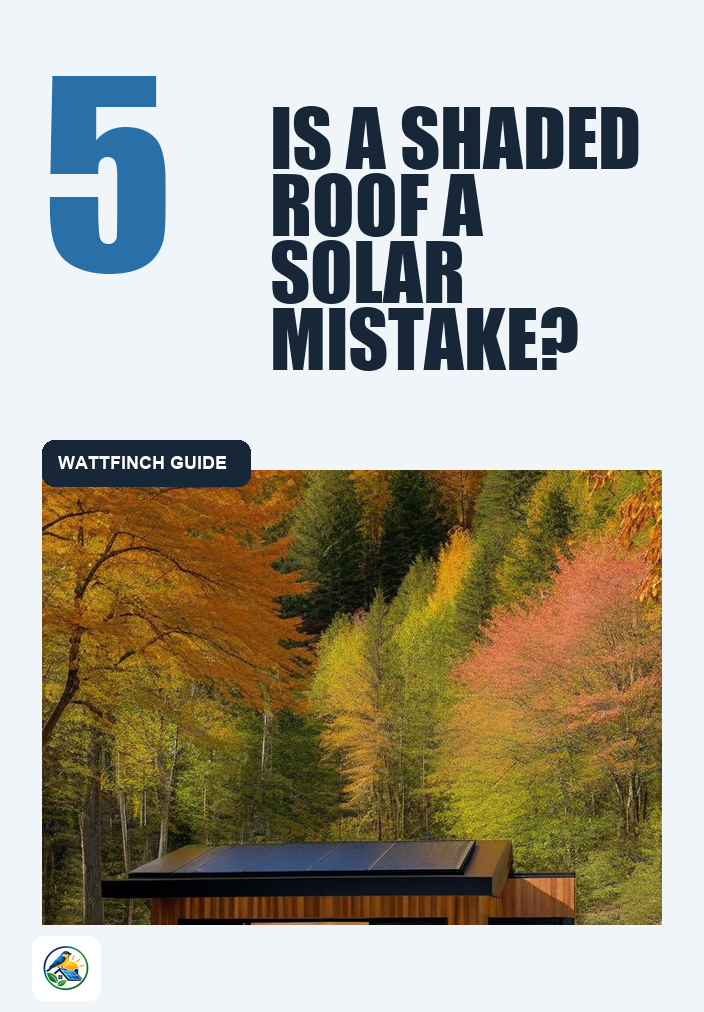
Understanding the Impact of Shade on Solar Panel Performance
When considering the installation of solar panels, many homeowners may wonder if a shaded roof is worth the investment. The answer isn’t straightforward, as several factors come into play. In this article, we’ll explore the implications of installing solar panels on a shaded roof, helping you make an informed decision for your home.
How Shade Affects Solar Energy Production
Solar panels are designed to convert sunlight into electricity. However, the presence of shade can significantly diminish their efficiency. Here’s what you need to know:
- Partial Shade: If only a portion of your roof is shaded, it may still be possible to install solar panels. However, the overall energy production will be reduced, as shaded panels generate less electricity.
- Consistent Shade: In cases where your roof is consistently shaded—due to trees, buildings, or other obstructions—solar panels may not be a viable option. The investment may not yield sufficient returns.
- Type of Shade: The type of shade can also affect performance. For instance, moving shadows, such as those from trees, can impact energy production differently than static shade from a building.
Assessing Your Roof’s Solar Potential
Before making a decision, assess your roof’s solar potential. Here are steps to take:
- Evaluate Shade Sources: Identify what is casting shade on your roof. Is it trees, neighboring structures, or something else?
- Time of Day Analysis: Observe how sunlight hits your roof throughout the day. Some roofs may receive full sun during certain hours and be shaded during others.
- Roof Orientation: South-facing roofs generally receive the most sunlight, while north-facing roofs tend to be less effective for solar installations.
Consideration of Solar Technology
Not all solar panels are created equal. Some technologies are better suited for shaded environments:
- Microinverters: These devices can optimize the output of individual panels, which can be beneficial if some panels are shaded while others are not.
- Power Optimizers: Similar to microinverters, these devices help maximize energy production from each panel, especially in partially shaded conditions.
- Thin-Film Solar Panels: These panels perform better in low-light conditions compared to traditional crystalline silicon panels, making them a potential option for shaded roofs.
Evaluating Financial Considerations
When contemplating solar installation on a shaded roof, financial implications are crucial. Here are some factors to evaluate:
- Installation Costs: The cost of solar panels and installation can vary widely. A shaded roof may result in lower energy production, which could affect your return on investment.
- Incentives and Rebates: Research current local and federal incentives. Some programs may not favor installations that yield lower energy outputs.
- Energy Bills: Review your current energy bills to understand how much you could save with solar. Even with shade, a reduction in energy costs may still be possible.
Alternatives to Solar Panels for Shaded Roofs
If your roof is significantly shaded, you might consider alternative energy solutions:
- Ground-Mounted Solar Panels: If you have space in your yard, ground-mounted solar panels can bypass shading issues altogether.
- Battery Storage Systems: Pairing solar panels with a battery system can help you store energy generated during peak sunlight hours for use during shaded periods.
- Energy Efficiency Upgrades: Investing in energy efficiency measures, such as insulation or energy-efficient appliances, can lower your energy consumption and costs without solar.
Consulting with Solar Professionals
While this article provides a foundation for understanding the implications of a shaded roof, consulting with a professional installer is essential. A qualified installer can assess your specific situation and provide a tailored quote based on the following:
- Detailed roof assessment
- Potential energy production estimates based on shading and roof orientation
- Available technology options suited for shaded conditions
- Local incentives and financing options
Getting multiple itemized quotes from different installers will help you compare the costs and benefits, allowing you to make a more informed decision.
Conclusion: Making an Informed Decision
Installing solar panels on a shaded roof can be a complex decision. While shade can diminish the efficiency of solar panels, various options and technologies may still allow for a successful installation. It’s crucial to assess your specific circumstances, including shade patterns, roof orientation, and financial implications.
Before proceeding, gather quotes from qualified installers who can provide a comprehensive analysis tailored to your home. With the right information and guidance, you can determine whether solar energy is a suitable option for your shaded roof.
Next Steps
1. Evaluate your roof’s shading and orientation.
2. Research local utility policies and incentives.
3. Consult with multiple qualified solar installers to obtain detailed quotes.
4. Compare the quotes based on potential energy production and costs.
By taking these steps, you can make an informed choice about whether to move forward with solar panels for your home.


















