
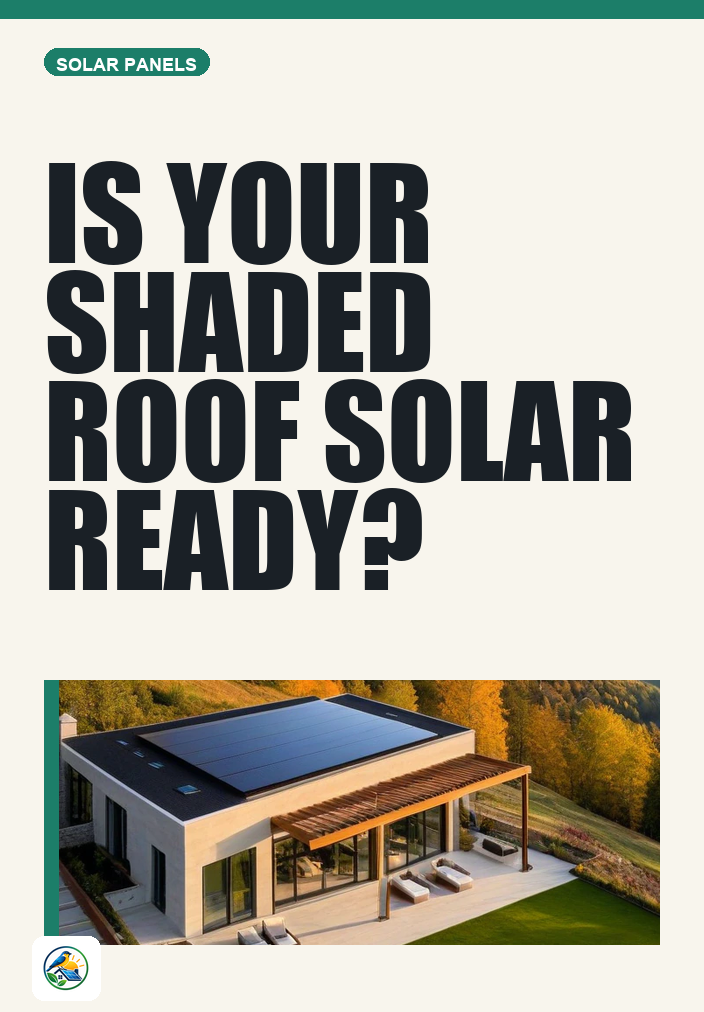
Understanding Solar Viability on Shaded Roofs
When considering solar installation, one of the first questions homeowners ask is whether their roof is suitable for solar panels, especially if it’s shaded. While shaded roofs can present challenges, they do not automatically disqualify you from having a solar system. Evaluating the viability of solar on a shaded roof involves understanding several factors, including costs, energy production potential, and available technology.
Evaluating Shade Impact on Energy Production
The presence of shade on your roof can significantly impact the amount of energy your solar panels produce. Factors such as the type of shading, its duration throughout the day, and the angle of your roof all play a role. Here are some points to consider:
- Type of Shade: Shade can come from trees, buildings, or other structures. The impact varies based on how much light is blocked and for how long.
- Duration: If your roof is only shaded for part of the day, it may still be viable for solar. Panels can still generate electricity during the hours they are sunlit.
- Roof Orientation: A south-facing roof typically receives the most sunlight. If your shaded roof faces east or west, it may still be possible to generate sufficient energy.
Assessing System Size and Configuration
Once you understand the shading effects, the next step is to determine the size of the solar system that could work for your roof. This involves assessing your energy needs and how much of that can be met with a partially shaded system.
Calculating Energy Needs
Start by looking at your electricity bills to determine your average monthly energy consumption. This will give you a baseline to work from. A general estimation is that 1 kW of solar capacity can produce about 1,200 kWh per year in a sunny area, but this figure can be lower in shaded conditions. Here’s a simple calculation to get you started:
- Determine your monthly energy usage (in kWh).
- Multiply that number by 12 to find your annual energy usage.
- Divide your annual energy usage by the estimated production per kW in your area to find the required system size.
Keep in mind that if your roof is shaded, you may need a larger system to account for the reduced output.
Technology Options for Shaded Roofs
Modern solar technology offers solutions that can make solar installation feasible even on shaded roofs. Here are a few technologies to consider:
- Microinverters: Unlike traditional string inverters, microinverters are installed on each panel and allow for better performance in shaded conditions. They maximize the output of each individual panel, which can be beneficial if some panels are shaded while others are not.
- Optimizers: Similar to microinverters, power optimizers are installed with each panel and help to mitigate the effects of shading. They ensure that each panel operates at its maximum efficiency, even if some are underperforming due to shade.
- High-Efficiency Panels: These panels are designed to capture more sunlight, making them a better option for shaded environments. They can generate more energy in low-light conditions compared to standard panels.
Understanding Costs and Financial Considerations
The cost of installing solar panels on a shaded roof can vary widely based on several factors. Here’s what you need to consider:
- Installation Costs: Costs can vary by region and installer. A professional quote will provide a clearer picture of labor and material expenses.
- System Size: Larger systems typically cost more, but they may be necessary to achieve your energy goals, especially if shade reduces output.
- Incentives and Financing: Research local and federal incentives, as well as financing options, which may significantly affect your overall cost. Verify current incentives, as they can change frequently.
- Maintenance Costs: While solar systems generally require minimal maintenance, shaded panels may require more frequent cleaning to ensure optimal performance.
Permitting and Utility Considerations
Before installation, it’s essential to understand local permitting requirements and utility policies. Depending on your area, you may encounter different rules regarding:
- Interconnection: This refers to how your solar system connects to the grid. Check with your utility for specific requirements.
- Net Metering: Some utilities offer credits for excess energy produced by your system, which can offset costs. Verify if your utility has a net metering policy and how it applies to shaded systems.
- Homeowner Association (HOA) Rules: If applicable, check with your HOA for guidelines regarding solar installations.
When to Seek Professional Help
If you’re serious about exploring solar for your shaded roof, obtaining quotes from qualified installers is crucial. A professional assessment can provide insights into:
- Potential energy production specific to your home.
- Customized system design that accounts for shading and roof characteristics.
- Accurate cost estimates that consider local regulations and incentives.
Professional installers can also help identify any necessary upgrades to your electrical system, which can affect overall costs and feasibility.
Next Steps for Homeowners
Evaluating solar installation for a shaded roof requires careful consideration of various factors, including shading impact, system size, technology options, and costs. If you’re ready to explore this further:
- Gather information about your energy usage and roof characteristics.
- Research local solar installers and request quotes.
- Compare itemized quotes to understand the costs and potential benefits of installation.
- Verify local incentives and utility policies to make informed decisions.
By taking these steps, you can better determine whether solar installation is a viable option for your shaded roof.


















