
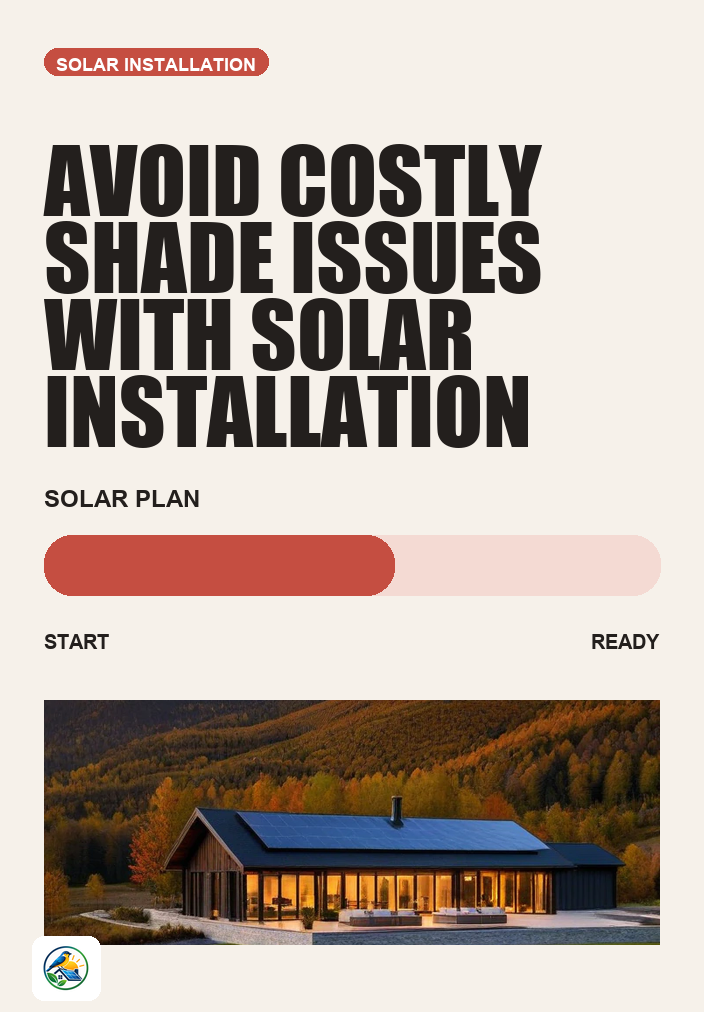
Key Considerations for Optimal Solar Panel Placement and Shade Management
Installing solar panels on your rooftop can be a significant step toward energy independence and sustainability. However, achieving optimal performance from your solar system hinges on two critical factors: placement and shade management. Understanding these considerations will help ensure that your investment yields the best possible results.
Understanding Solar Panel Placement
The placement of solar panels is one of the primary determinants of their efficiency. Various factors influence this decision, including roof orientation, pitch, and available space. Here’s a closer look at these elements:
Roof Orientation
In the U.S., the most effective roof orientation for solar panels is typically south-facing. This orientation allows panels to capture the maximum amount of sunlight throughout the day. However, east- or west-facing roofs can still be viable options, especially if they receive ample sunlight. Here’s a breakdown:
- South-Facing: Ideal for maximum sunlight exposure.
- East-Facing: Good for morning sunlight; may produce less energy overall.
- West-Facing: Captures afternoon sunlight, which can be beneficial depending on your energy usage patterns.
Roof Pitch and Structure
The angle and structure of your roof can also influence solar panel efficiency. Most solar panels perform optimally at a pitch between 30 to 45 degrees. If your roof is flatter or steeper, you may need additional mounting equipment to ensure the panels are positioned correctly. Here are some considerations:
- Flat Roofs: May require tilt mounts to optimize sunlight capture.
- Steep Roofs: Easier to install but may pose safety concerns during installation.
Available Roof Space
Consideration of available roof space is crucial. You need enough area to accommodate the number of panels required to meet your energy needs. A professional installer can help you determine how many panels can fit based on your roof’s dimensions and layout.
Shade Management: The Hidden Challenge
Shade is one of the most overlooked factors when considering solar panel installation. Even partial shading can significantly reduce the efficiency of your solar system. Here are some aspects to consider regarding shade management:
Identifying Potential Sources of Shade
Before installation, assess your property for objects that might cast shadows on your solar panels. Common culprits include:
- Trees
- Buildings
- Chimneys
- Utility poles
Even seasonal changes can affect shading; for instance, a tree that’s bare in winter may cast shadows during the summer months when leaves are present.
Using Technology to Assess Shade
Before finalizing your installation, consider using solar pathfinder tools or shading analysis software. These technologies can provide a detailed analysis of how shadows will play across your roof throughout the year, helping you make informed decisions about placement.
Trade-offs and Considerations in Solar Panel Installation
Installing solar panels involves numerous trade-offs. Here are some important considerations that may impact your decision:
Roof Condition
Your roof must be in good condition before solar panels are added. If your roof needs repairs or replacement, it’s wise to address these issues first. Installing solar panels on a compromised roof can lead to further complications and costs later on.
Electrical Upgrades
Depending on your home’s existing electrical system, you may need upgrades to accommodate solar energy. This could include new wiring, circuit breakers, or even a new panel. Consult with your installer to understand potential needs and costs for electrical upgrades.
Maintenance Considerations
Solar panels generally require minimal maintenance, but regular cleaning and inspections are advisable to maintain efficiency. Homes in areas with heavy dust, tree cover, or bird activity may need more frequent cleaning to prevent buildup that can impede performance.
Battery Backup and Alternatives
If you’re considering a battery backup system, keep in mind that batteries have limitations, including capacity and lifespan. While they provide energy during outages, not all homes may require them. Evaluate your energy needs and discuss options with your installer.
Next Steps: Getting Your Solar Project Off the Ground
Once you’ve considered the placement and shade management of solar panels, it’s time to take actionable steps toward installation. Here are some practical next steps:
- Assess your roof’s orientation, pitch, and condition.
- Identify potential sources of shade and consider seasonal changes.
- Research local installers and gather itemized quotes for your solar project.
- Discuss your options, including battery systems, with qualified professionals.
Obtaining multiple quotes from qualified installers will help you compare offerings and ensure you make an informed decision tailored to your unique property. Remember, while solar energy can be a fantastic investment for many homeowners, it’s essential to evaluate your specific situation thoroughly.


















