
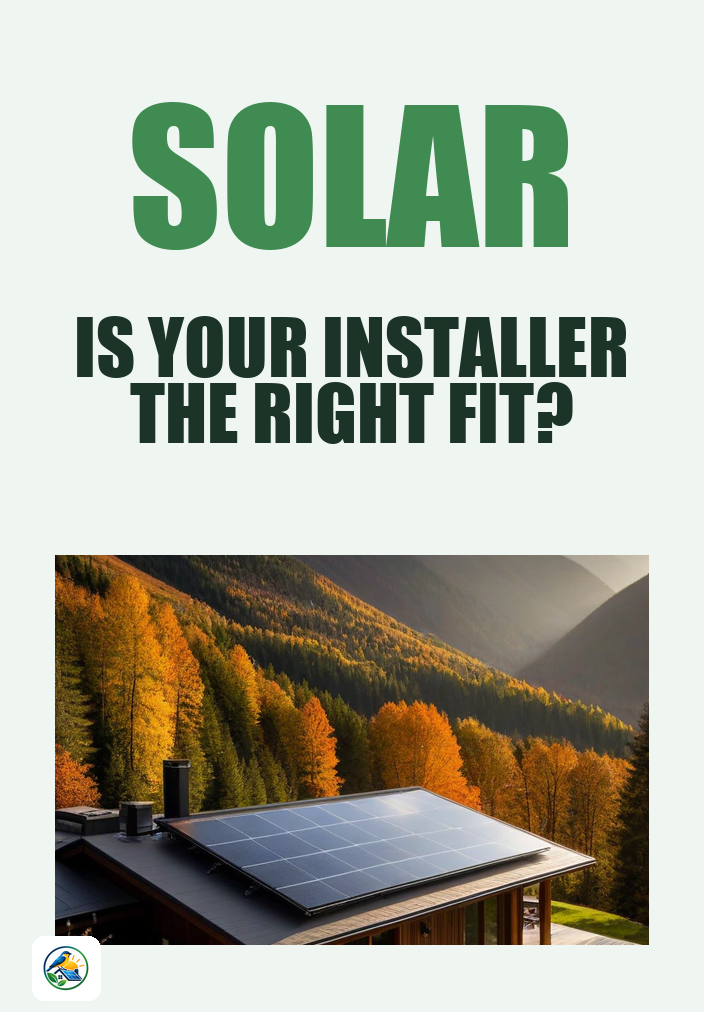
Understanding Your Needs Before Choosing a Solar Installer
When considering a residential rooftop solar system, selecting the right installer is crucial to the success of your project. A professional installation not only affects the efficiency and longevity of your system but also impacts your overall experience. This article outlines key considerations homeowners should keep in mind when choosing a solar installer, ensuring that you make an informed decision tailored to your specific needs.
Assess Your Solar Goals and Needs
Before diving into installer options, identify your solar goals. Are you looking to reduce your electricity bills, enhance energy independence, or contribute to environmental sustainability? Understanding your primary motivation can help shape your discussions with potential installers.
Types of Systems to Consider
Depending on your needs, you might consider different types of solar systems:
- Grid-Tied Systems: These systems are connected to the utility grid and allow for net metering, where excess energy can be sold back to the grid.
- Battery Backup Systems: These systems store energy for use during outages, providing an additional layer of reliability.
- Off-Grid Systems: Completely independent from the utility grid, these systems require careful planning and sufficient battery storage to meet your energy needs.
Understanding these options will help you discuss your preferences with potential installers and identify what fits your home best.
Researching Potential Installers
Start by compiling a list of potential solar installers in your area. Look for companies with a solid reputation and positive customer reviews. Here are some steps to help you in your research:
- Check Certifications: Ensure the installer is certified by a recognized authority, such as the North American Board of Certified Energy Practitioners (NABCEP).
- Ask for References: Reach out to previous customers to gain insights into their experiences with the installer.
- Review Portfolios: Look for examples of completed projects similar to yours to assess quality and aesthetic appeal.
Evaluating Quotes and Proposals
Once you have a shortlist of installers, request quotes. Each quote should detail the equipment, installation process, and total costs. Pay attention to the following:
Key Elements of a Quote
- Itemized Costs: Ensure the quote breaks down costs for equipment, labor, permits, and any additional fees.
- Equipment Specifications: Understand the brands and models of solar panels, inverters, and batteries being proposed.
- Warranties: Look for information on equipment and installation warranties, which can provide peace of mind regarding future maintenance.
Understanding the Installation Process
It’s essential to understand how the installation process will unfold. Ask potential installers about the following:
- Timeline: Inquire about the expected timeline for installation, including any permitting and interconnection processes.
- Inspections: Find out if there will be inspections required before, during, or after the installation.
- Post-Installation Support: Understand what kind of support is available after the installation is complete, especially for maintenance or troubleshooting.
Evaluating Installer Expertise and Customer Service
The expertise and customer service of an installer can significantly impact your experience. Here are questions to consider:
- Experience: How long has the installer been in business? Have they completed projects similar to yours?
- Communication: How responsive is the installer to inquiries? Are they willing to answer your questions thoroughly?
- Customization: Will they tailor the installation to your specific needs and preferences, or do they offer a one-size-fits-all approach?
Understanding Local Regulations and Incentives
Solar installations are subject to local regulations, permitting requirements, and utility policies, which can vary widely. Be sure to discuss the following with your installer:
- Permitting Requirements: What permits are needed for your installation, and will the installer handle the paperwork?
- Interconnection Process: Understand how the system will connect to the grid and any requirements from your utility company.
- Incentives: Ask about any local, state, or federal incentives available for solar installations. Be sure to independently verify current tax credits and incentives, as they can change.
Considering System Maintenance and Upkeep
After installation, regular maintenance is crucial for keeping your solar system running efficiently. Discuss with your installer:
- Maintenance Plans: Do they offer maintenance services? What do those plans include?
- Self-Maintenance: What aspects of maintenance can you handle on your own, and what should be left to professionals?
Making Your Final Decision
After gathering all necessary information and quotes, compare the options carefully. Consider the following:
- Overall Value: Look beyond the lowest price; consider the quality of equipment, warranties, and installer reputation.
- Comfort Level: Choose an installer you feel comfortable communicating with and trusting to complete the job.
Next Steps: Comparing Quotes
Now that you have a clearer understanding of what to look for, it’s time to compare itemized quotes from qualified installers. Look for transparency in pricing and clarity in the terms of service. By following these steps, you’ll be better equipped to make a decision that aligns with your goals and ensures a successful solar installation.


















