
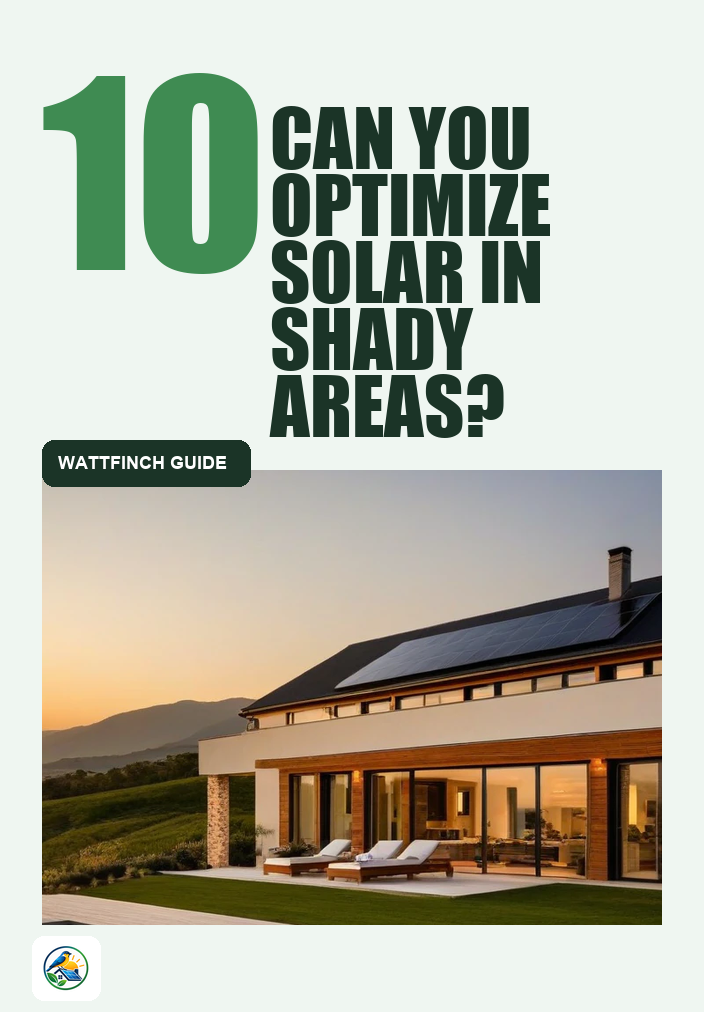
Understanding Solar Efficiency: The Role of Shade and Placement
When considering a rooftop solar installation, maximizing efficiency is often a top priority for homeowners. However, this goal can be complicated by the realities of your property, including shade from trees or neighboring buildings, and the orientation of your roof. Understanding how to navigate these challenges can help you make informed decisions about your solar energy system, ensuring you achieve the best possible performance without compromising on aesthetics or function.
Identifying Sources of Shade
Shade is one of the most significant factors that can reduce the efficiency of a solar system. Trees, chimneys, and even neighboring buildings can obstruct sunlight, leading to decreased energy production. Here are some common sources of shade you may encounter:
- Trees: While they provide cooling benefits, large trees can cast significant shadows on your roof, especially during certain times of the day or year.
- Buildings: If you live in a densely populated area, nearby structures might hinder sunlight access.
- Chimneys and Roof Features: Elements such as chimneys or roof vents can create localized shading issues.
Evaluating Roof Orientation and Angle
The orientation and angle of your roof can significantly influence the efficiency of your solar panels. South-facing roofs typically receive the most sunlight throughout the day, making them ideal for solar installations. However, not all homes have a perfect roof orientation, and other options can still be viable:
- East/West-facing roofs: These can still be effective, especially if you have a balanced approach to panel placement that captures morning and afternoon sun.
- Flat roofs: These can be equipped with mounts to tilt the panels for optimal sunlight exposure, though additional considerations for wind and drainage must be taken into account.
Choosing the Right Solar Technology
Not all solar panels are created equal, and advancements in technology have led to various options that can help maximize efficiency even in less-than-ideal conditions. Here are some technologies to consider:
- Monocrystalline Panels: Known for their high efficiency and performance in low-light conditions, these panels are a great choice if you’re dealing with shading issues.
- Polycrystalline Panels: Generally less efficient than monocrystalline, they may be a more cost-effective option if shade isn’t a significant concern.
- Thin-film Panels: These lightweight panels can perform better in shaded conditions but typically require more space to generate the same amount of power as crystalline panels.
Implementing Shade Mitigation Strategies
In some cases, you may have the option to reduce shading on your property. Here are a few strategies to consider:
- Tree Trimming: Regular pruning can help minimize shade from trees while maintaining their beneficial cooling effects.
- Strategic Landscaping: Planting new trees or bushes in a way that provides shade during summer yet allows sunlight in during winter can balance your energy needs.
- Install Awnings or Shade Structures: If certain areas of your roof are consistently shaded, consider installing awnings that allow you to capture more sunlight.
Working with Professional Installers
Once you have a clear understanding of your property’s shading and orientation, it’s time to involve a professional installer. A qualified solar contractor can assess your specific situation and provide insights into the best solar system configuration for your home. Here’s how you can make the most of this process:
- Get Multiple Quotes: Comparing itemized quotes from different installers can help you understand the costs and options available.
- Ask About Shade Analysis: A reputable installer will conduct a shade analysis using tools like solar pathfinders or digital modeling software to better understand how shade affects your roof.
- Discuss Panel Placement: Talk to your installer about the best placement for panels based on your shading, roof characteristics, and energy needs.
Battery Storage and Its Role in Solar Efficiency
For homeowners considering energy independence or backup options, integrating a home battery system with your solar installation can be valuable. Batteries allow you to store excess energy generated during sunny periods for use during cloudy days or at night. However, it’s essential to consider the following:
- Battery Capacity: Assess your household energy needs to determine the appropriate battery size.
- Installation Costs: Battery systems can add significant upfront costs, so weigh these against your energy goals.
- Maintenance: Batteries require upkeep, and their lifespan may vary based on usage and technology.
Preparing for Installation: What to Expect
Before installation, ensure your roof is in good condition. This may involve repairs or upgrades, especially if your roof is older. Additionally, familiarize yourself with local permitting and utility interconnection rules, as these can affect your installation timeline and requirements.
Next Steps: Making an Informed Decision
Maximizing solar efficiency while addressing shading and placement challenges is a multifaceted process. By understanding your property’s unique characteristics and consulting with professional installers, you can make well-informed decisions about your solar energy system. Take the time to compare itemized quotes from qualified installers, and remember that local regulations and incentives may vary. Conduct independent research to verify current information and ensure you’re making the best choice for your home and energy needs.


















