
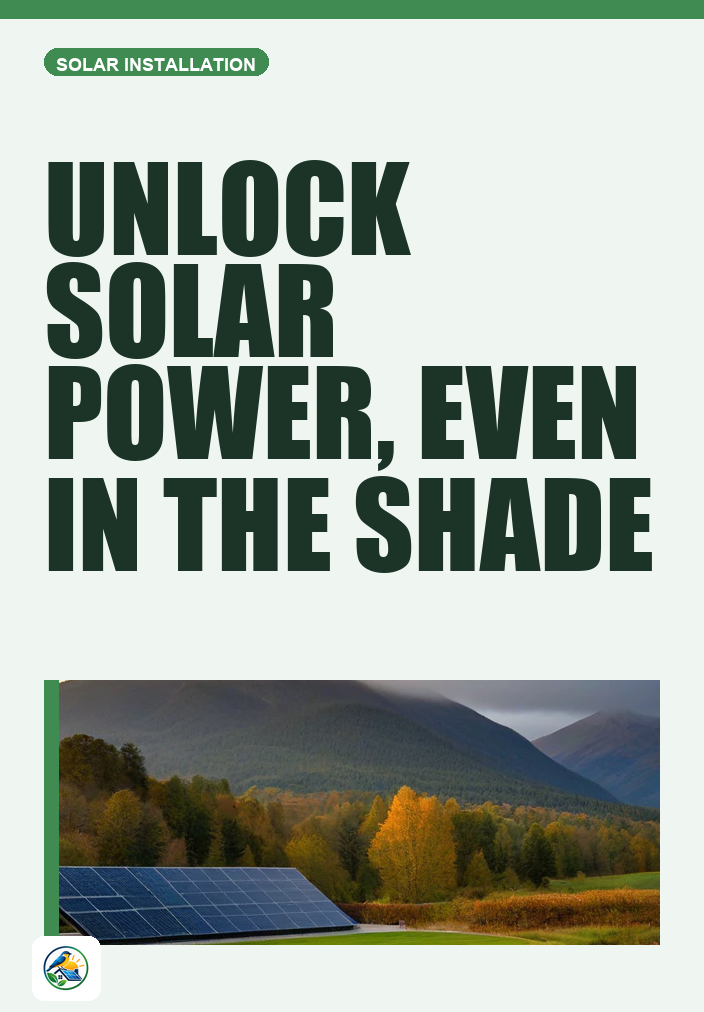
Understanding the Impact of Shade on Solar Energy Production
Solar panels are an excellent way for homeowners to harness renewable energy. However, the efficiency of solar energy production can be significantly impacted by shading. Trees, buildings, chimneys, and other obstructions can cast shadows on solar panels, reducing their ability to generate electricity. Understanding how to overcome these shading challenges is crucial for maximizing the energy production of your solar installation.
Identifying Sources of Shade
Before diving into solutions, it’s essential to identify potential sources of shade on your property. Common culprits include:
- Trees: Nearby trees can grow over time, creating new shade that wasn’t initially present.
- Buildings: Other structures, such as garages, sheds, or neighboring homes, can obstruct sunlight.
- Chimneys and Roof Features: Features on your roof can also cast shadows, especially during certain times of the day.
- Seasonal Changes: The angle of the sun changes with the seasons, which can alter shade patterns.
When considering a solar installation, it’s critical to analyze these factors, as even partial shading can lead to a notable decrease in energy production.
Assessing Your Roof’s Solar Potential
Before deciding on a solar panel installation, a detailed assessment of your roof’s solar potential is necessary. Here are steps to guide you:
- Conduct a Shade Analysis: Use tools or apps designed to measure sunlight exposure. These can help identify which parts of your roof receive the most sunlight.
- Consult with a Professional Installer: A qualified solar installer can conduct an on-site evaluation, taking into account the specific conditions of your property.
- Evaluate Roof Orientation and Pitch: South-facing roofs typically receive the most sunlight, while east or west-facing roofs can still be viable, depending on shading.
For homeowners unsure about their roof’s solar potential, obtaining a quote from a professional installer can provide clarity. They can offer insights tailored to your situation, including shading assessments and recommendations.
Strategies to Mitigate Shade Effects
Once you’ve identified shading issues, various strategies can help mitigate their effects and maximize energy production:
1. Tree Trimming or Removal
If trees are a significant source of shade, consider trimming branches or removing trees that obstruct sunlight. This approach can vastly improve solar energy production but may have aesthetic or ecological implications.
2. Panel Placement Adjustments
The placement of solar panels is crucial. If your roof has multiple sections, it may be possible to install panels on areas with less shade. A professional installer can help determine the best layout.
3. Use of High-Efficiency Panels
High-efficiency solar panels are designed to capture a greater amount of sunlight, even in shaded conditions. While they may have a higher upfront cost, they can be worth considering if shading is unavoidable.
4. Microinverters or Power Optimizers
Traditional solar panel systems often use a single inverter for energy conversion. However, microinverters or power optimizers can be installed on individual panels, allowing them to operate independently. This configuration minimizes the impact of shading on overall system performance, as shaded panels won’t drag down the output of others.
5. Solar Canopies or Ground-Mounted Systems
If roof space is limited or significantly shaded, consider alternative installation methods like solar canopies or ground-mounted systems. These options allow for greater flexibility in placement and can be positioned in areas with optimal sun exposure.
Considering Other Energy Solutions
For homeowners facing significant shading challenges, it may be worth exploring other energy solutions alongside solar:
- Battery Storage: Pairing solar panels with a home battery system can provide energy during periods of low production, such as cloudy days or evenings.
- Generators: A backup generator can ensure power availability during outages, supplementing your solar system.
- Energy Efficiency Upgrades: Improving your home’s energy efficiency can reduce overall energy consumption, making it easier to meet your needs with a smaller solar system.
Homeowner Considerations Before Installation
As you evaluate solar options, consider several crucial factors:
- Roof Condition: Ensure your roof is in good condition before installation. If repairs are needed, address them first.
- Financing Costs: Understand the costs associated with installation, including financing options. Compare quotes from multiple installers to gain a comprehensive understanding of potential expenses.
- Local Permitting and Utility Rules: Be aware of local permitting processes and utility policies regarding solar energy systems. These can vary significantly by region.
- Future Plans: Consider any future changes to your property or landscaping that might impact solar energy production.
Next Steps for Homeowners
Maximizing energy production from solar panels requires careful planning and consideration of shading challenges. Start by assessing your property, identifying sources of shade, and exploring options to mitigate their effects. To make an informed decision, obtaining itemized quotes from qualified solar installers can help you understand the costs and benefits specific to your situation.
Remember, solar energy may not be the optimal choice for every home. Engage with professionals to evaluate your unique circumstances and make a decision that best suits your energy needs and financial goals.


















