
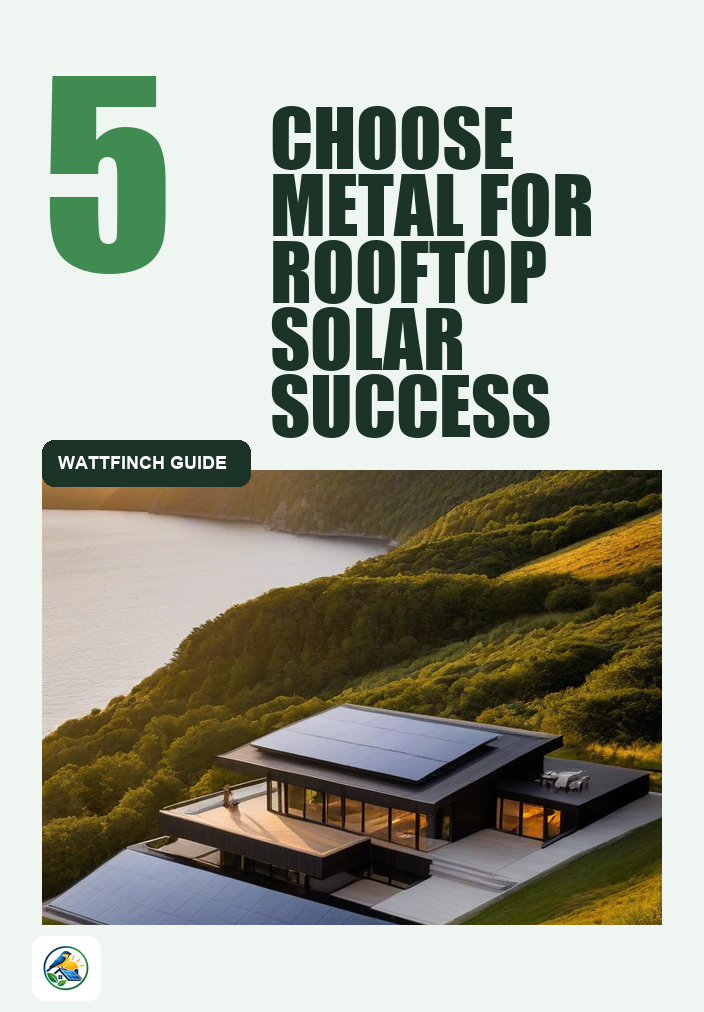
Understanding the Basics: Metal Roofs vs. Traditional Roofs
When it comes to installing solar panels on your home, the type of roof you have can significantly impact your decision-making process. Homeowners often find themselves weighing the benefits of metal roofs against traditional roofing materials like asphalt shingles or tiles. Both options have their advantages and disadvantages, especially concerning solar panel installation. In this article, we will explore the key differences between metal roofs and traditional roofs, helping you understand which may be better suited for your solar energy needs.
Metal Roofs: Durability and Solar Compatibility
Metal roofs are known for their exceptional durability and longevity. Typically made from materials such as steel, aluminum, or copper, they can last 40-70 years with minimal maintenance. This longevity makes them an appealing choice for homeowners looking to invest in solar energy. Here are some of the benefits and considerations of metal roofs for solar panel installation:
- Lightweight: Metal roofs are significantly lighter than traditional roofing materials, which can ease the structural load on your home and simplify the installation of solar panels.
- Reflectivity: Many metal roofs have reflective properties that can help reduce heat absorption, potentially improving the efficiency of your solar panels in warmer climates.
- Ease of Installation: The seamless design of metal roofs allows for easier mounting of solar panels, resulting in a potentially quicker installation process.
- Longevity: The lifespan of metal roofs aligns well with the lifespan of solar panels, often lasting 25 years or more, so you won’t have to worry about replacing your roof soon after installing solar.
However, there are also drawbacks to consider:
- Cost: Metal roofs tend to be more expensive upfront compared to traditional roofs, which might impact your overall budget for solar installation.
- Noise: During rain or hail, metal roofs can be noisier than traditional roofs, which might be a concern for some homeowners.
- Potential for Expansion/Contraction: Metal roofs can expand and contract with temperature changes, which may affect the integrity of the solar panel mounts over time if not installed correctly.
Traditional Roofs: Versatility and Challenges
Traditional roofs, such as asphalt shingles and clay tiles, are widely used across the U.S. They offer a range of styles and colors, providing better versatility in aesthetic choices. Here are some benefits and considerations for traditional roofs when installing solar panels:
- Lower Initial Cost: Traditional roofs, particularly asphalt shingles, are generally less expensive to install than metal roofs, which may leave more budget room for solar panel installation.
- Variety of Styles: Homeowners can choose from various materials and colors, allowing for more customization to match their home’s design.
- Installation Familiarity: Many solar installers are accustomed to working with traditional roofs, which could make the installation process feel more straightforward.
On the flip side, traditional roofs also present unique challenges:
- Shorter Lifespan: Asphalt shingles typically last 15-30 years, meaning homeowners may have to replace the roof before the solar panels reach the end of their useful life.
- Potential for Damage: Traditional roofs can be more susceptible to damage from weather events, which could complicate the installation and longevity of your solar panels.
- Weight Concerns: Some traditional roofing materials are heavier than metal, which may necessitate structural reinforcements to support the solar installation.
Homeowner Considerations before Solar Installation
Regardless of your roof type, there are several crucial factors to consider before committing to a solar panel installation:
- Roof Condition: Your roof must be in good condition before solar panels are installed. If your roof is nearing the end of its lifespan, consider replacing it before installation.
- Shade and Orientation: Evaluate how trees or neighboring buildings could impact the sun exposure on your roof. Optimal sun exposure is key for effective solar energy production.
- Electrical Upgrades: Depending on your existing electrical system, you may need upgrades to accommodate solar energy production, which could incur additional costs.
- Permitting and Utility Regulations: Local permitting processes and utility interconnection rules can vary, so be sure to familiarize yourself with these requirements.
- Future Plans: Consider your long-term plans for the home. If you plan to sell or upgrade in the near future, evaluate how solar investment aligns with your goals.
Comparing Quotes from Qualified Installers
Before making a decision, obtaining detailed, itemized quotes from several qualified solar installers is essential. Look for quotes that clearly outline:
- Installation costs
- Expected energy production
- Maintenance requirements
- Any warranties offered
Having multiple quotes will allow you to compare the financial implications and understand how the roof type you have may impact the overall installation process. Additionally, verify the current local incentives and regulations that may affect your solar project.
Conclusion: Making an Informed Decision
Choosing between a metal roof and a traditional roof for solar panel installation involves considering various factors, including durability, cost, and compatibility with solar technology. Each type of roof presents unique advantages and challenges that can influence the effectiveness and practicality of a solar energy system.
Ultimately, the best choice will depend on your specific home characteristics, solar goals, and budget. By carefully evaluating your options and consulting with qualified professionals, you can make an informed decision that best suits your energy needs and home investment.
As you move forward, remember to compare itemized quotes from qualified solar installers to better understand how your roof type may impact your solar installation journey.


















