
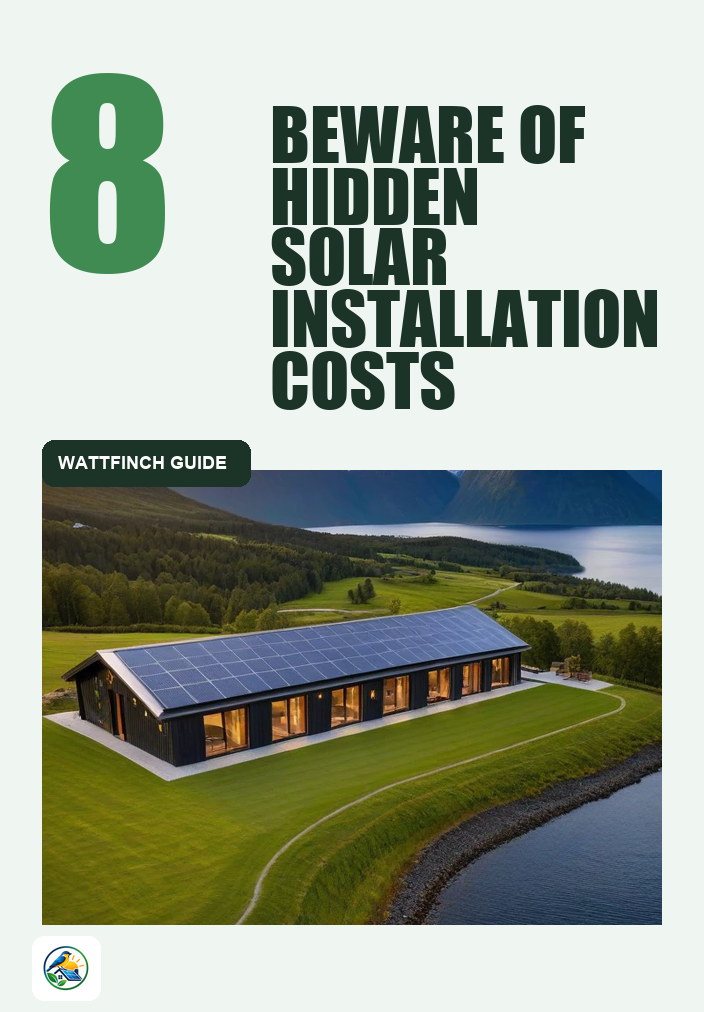
Understanding Ground Mounted Solar Installations
As more U.S. homeowners consider solar energy, ground-mounted solar installations have emerged as a practical alternative to rooftop systems. Unlike rooftop solar, which harnesses sunlight from your home’s roof, ground-mounted systems are installed on your property’s land, offering flexibility in design and placement. This article will help you navigate the financing options available for ground-mounted solar installations, providing essential information to help you make an informed decision.
Types of Ground Mounted Solar Financing
When considering a ground-mounted solar system, understanding the various financing options is crucial. Each option comes with its own set of advantages and trade-offs:
1. Cash Purchase
Paying for your solar system in cash is straightforward and often the most cost-effective long-term option. By making an upfront payment, you avoid interest and financing fees, maximizing your return on investment. However, this option requires a significant initial outlay, which may not be feasible for all homeowners.
2. Solar Loans
Solar loans allow homeowners to finance their solar installations while keeping ownership of the system. These loans typically come with fixed interest rates and terms that range from five to twenty years. Homeowners can choose secured loans, which may offer lower rates by using home equity as collateral, or unsecured loans, which may have higher rates but do not require collateral. Consider your financial situation and credit score when evaluating solar loans.
3. Leases
With a solar lease, you pay a fixed monthly amount to use the solar system installed on your property, without owning it. This option typically requires little to no upfront costs, making it attractive for homeowners who prefer predictable monthly payments. However, you won’t benefit from the federal tax credit or any potential increase in home value, as you do not own the system.
4. Power Purchase Agreements (PPAs)
Similar to leases, a PPA allows you to pay for the electricity generated by the solar system at a predetermined rate, usually lower than your current electricity rates. While this option offers no upfront costs, you also do not own the system, which means you miss out on tax incentives and potential long-term savings.
Evaluating Costs and Incentives
Cost is one of the most significant factors in your decision-making process. Various factors can affect the price of a ground-mounted solar installation:
- System Size: The larger the system, the higher the initial cost. Assess your energy needs to determine the appropriate size.
- Installation Complexity: Factors like site accessibility, soil conditions, and permitting requirements can increase installation costs.
- Local Incentives: Some states and municipalities offer incentives that can lower the overall cost of a solar installation. These can vary widely, so be sure to research local programs.
It’s crucial to verify current local utility, installer, government, and tax information to understand what incentives might apply to your project.
Considerations for Ground-Mounted Systems
When contemplating a ground-mounted solar installation, think about the following factors:
1. Property Space and Layout
Ground-mounted systems require adequate space away from trees, buildings, or other obstructions that could cast shade on the panels. Evaluate your property’s layout for optimal sunlight exposure throughout the year.
2. Local Regulations and Permitting
Before proceeding, check local zoning laws and permitting requirements. Some areas have restrictions on solar installations, which can affect your project timeline and costs.
3. Maintenance and Upkeep
Ground-mounted solar systems may require more maintenance than rooftop systems due to exposure to dirt, debris, and wildlife. Factor in potential maintenance costs when evaluating your financing options.
4. Battery Storage Options
If you want to add battery backup to your ground-mounted system, consider the additional costs and benefits. Battery systems can provide power during outages and store excess energy, but they add complexity and expense to your installation.
Comparing Quotes from Installers
Once you’ve established your financing preferences and evaluated your property, it’s time to gather quotes from qualified installers. Here are some practical steps to ensure you get the most accurate and beneficial quotes:
- Request Itemized Quotes: Ensure each installer provides a detailed breakdown of costs, including equipment, installation, permits, and any financing options.
- Compare Financing Terms: Look closely at interest rates, loan terms, and potential total costs over the life of the financing option.
- Review Installer Credentials: Check the qualifications, experience, and customer reviews of each installer to ensure reliability and quality.
- Ask About Warranties: Understand the warranties on both the solar panels and the installation work to protect your investment.
Next Steps
Deciding on a ground-mounted solar installation is a significant financial decision that requires careful consideration. By understanding the various financing options and evaluating your specific situation, you can make a more informed choice. Collect and compare itemized quotes from qualified installers to identify the best fit for your needs. Remember, your local utility, installer, and government resources can provide vital information to help you navigate this process effectively.


















