
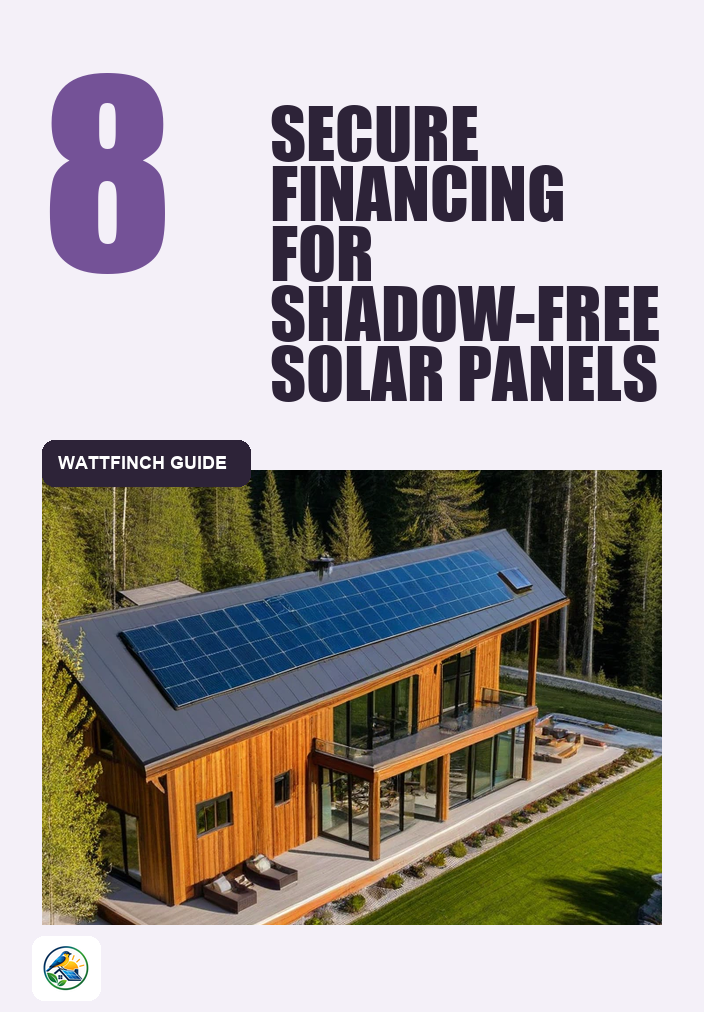
Understanding Shade Challenges in Solar Panel Placement
For homeowners considering a rooftop solar system, shade can be a significant challenge. Trees, buildings, and even chimneys can obstruct sunlight, reducing the efficiency of solar panels. As you navigate your solar options, understanding how shade affects solar panel placement and the financing options available to mitigate these challenges is essential.
How Shade Affects Solar Energy Production
The efficiency of solar panels relies heavily on direct sunlight. When panels are shaded, their energy output can drop dramatically. Here are a few key points to consider:
- Partial Shade: Even partial shade on one panel can decrease the performance of the entire system, depending on the design and technology used.
- Time of Day: The angle of the sun changes throughout the day, which means that shade can vary. Understanding your home’s unique shading pattern is crucial.
- Seasonal Changes: Trees that are lush in summer may not pose a problem in winter. Monitoring seasonal shade can inform your solar strategy.
Assessing Your Property for Solar Suitability
Before investing in a solar system, it’s essential to evaluate your property’s suitability for solar energy. Here are some steps to consider:
- Conduct a Shade Analysis: Use tools or apps that can help you assess how much sunlight your roof receives at different times of the day and year.
- Evaluate Roof Orientation: South-facing roofs generally receive the most sunlight, but east and west-facing roofs can also be viable with proper adjustments.
- Consider Roof Condition: If your roof requires repairs or replacement, it may be wise to address these issues before installation.
Financing Options for Solar Installation
Understanding your financing options can help you navigate the costs associated with solar installation, especially if you need to address shading issues. Here are some common financing methods:
1. Cash Purchase
Paying for your solar system upfront can be the simplest option. However, this requires a significant initial investment, which some homeowners may not be able to afford. If you can pay cash, you’ll avoid interest payments and financing fees.
2. Solar Loans
Solar loans allow homeowners to finance their solar systems through traditional banks or specialized lenders. These loans can cover the full cost of the installation and are typically repaid over several years. When considering a solar loan, pay attention to:
- Interest Rates: Shop around for the best rates and terms.
- Loan Terms: Determine how long you’ll be paying off the loan and what your monthly payments will be.
3. Leases and Power Purchase Agreements (PPAs)
With solar leases, you pay a monthly fee to use the solar system installed on your roof, while a PPA allows you to pay for the electricity produced by the solar system at a set rate. Both options can have lower upfront costs, but they may not provide the same financial benefits as ownership, especially when considering tax incentives.
4. Incentives and Rebates
Many states, municipalities, and utility companies offer incentives or rebates for solar installation. These can significantly reduce your overall costs. However, the availability and amount of incentives vary widely:
- State Incentives: Check your state’s energy department for available programs.
- Utility Rebates: Some utilities offer rebates for installing solar systems.
Always verify current incentive programs in your area, as they can change frequently.
Addressing Shade Issues Through Design and Technology
If your property has shading challenges, several strategies can help optimize solar panel placement:
1. Panel Placement
Working with a professional installer can help determine the best placement for your panels, potentially moving them to less shaded areas of the roof or even ground-mounted systems if space allows.
2. Microinverters and Power Optimizers
Using microinverters or power optimizers can help mitigate the effects of shading. These technologies allow individual panels to operate independently, reducing the impact of shaded panels on the overall system performance.
3. Tree Trimming or Removal
In some cases, trimming or removing trees that cause shading may be a viable option. However, consider the ecological impact and seek advice from professionals to understand the ramifications.
Next Steps for Homeowners
As you consider solar energy for your home, here are some practical steps to take:
- Conduct an Initial Assessment: Evaluate your roof’s shading and orientation.
- Gather Quotes: Obtain itemized quotes from multiple qualified solar installers, focusing on their experience with shaded installations.
- Verify Financial Options: Research financing options and potential incentives available in your area.
- Consult with Professionals: Discuss your shade challenges and potential solutions with your chosen installer.
By taking these steps, you can make a well-informed decision about whether solar energy is a good fit for your home, even in the face of shade challenges.


















