
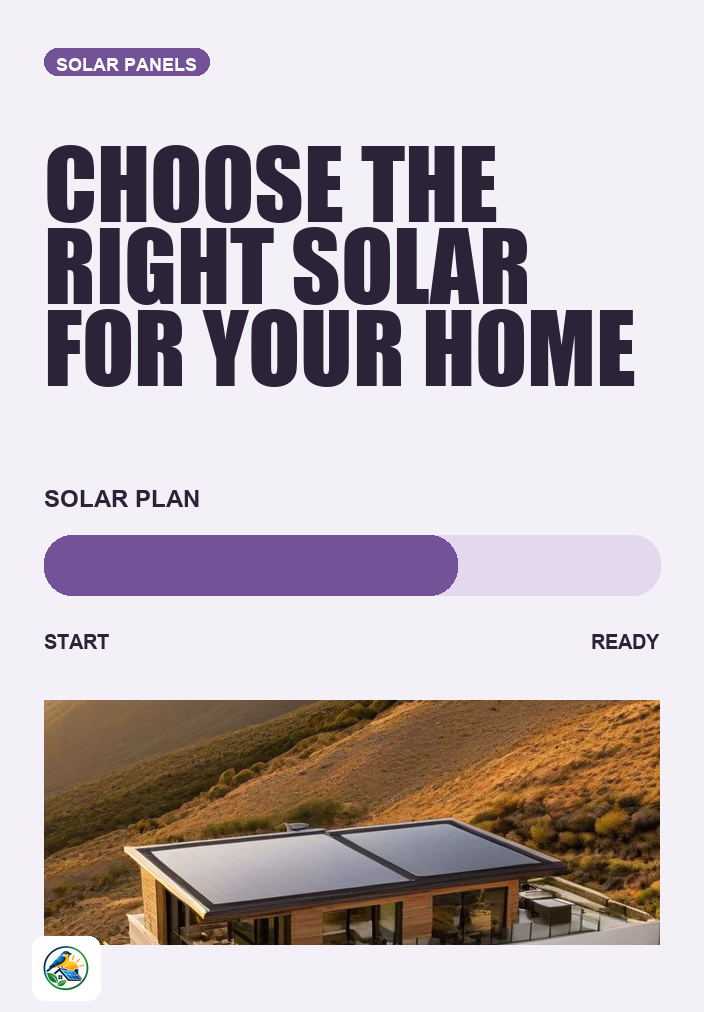
Understanding Your Energy Needs in All-Electric Homes
Choosing solar solutions for an all-electric home involves careful consideration of your energy consumption, lifestyle, and specific property characteristics. Before diving into the types of solar systems available, it’s essential to assess your home’s energy usage.
Start by reviewing your past utility bills to determine your average monthly energy consumption. Take into account your all-electric appliances and systems, including heating, cooling, water heating, and any electric vehicles. This information will be instrumental in determining the size of the solar system you need and whether a battery backup is beneficial.
Assessing Your Roof for Solar Installation
Your roof plays a crucial role in the feasibility of a solar installation. Consider the following factors:
- Condition: Ensure your roof is in good condition. If it needs repairs or replacement soon, address that before installing solar panels.
- Orientation: South-facing roofs typically receive the most sunlight, maximizing energy production. East- and west-facing roofs can also be effective, albeit with slightly reduced output.
- Shade: Evaluate surrounding trees, buildings, or other structures that may impede sunlight. Even partial shading can significantly reduce solar efficiency.
- Space: Ensure you have enough space for the number of panels needed to meet your energy needs. A larger system requires more square footage.
Consider hiring a professional to conduct a roof assessment, which can provide insights into its suitability for solar panels.
Choosing Between Grid-Tied, Off-Grid, and Hybrid Systems
When considering solar solutions, it’s crucial to understand the different types of systems available:
- Grid-Tied Systems: These systems are connected to the utility grid, allowing you to draw power when solar production is insufficient. They typically require no batteries, making them more cost-effective and simpler to install.
- Off-Grid Systems: Ideal for remote locations, off-grid systems are not connected to the utility grid. They require batteries to store energy, which can lead to higher upfront costs. Consider this option only if you have no access to grid power.
- Hybrid Systems: These systems combine the benefits of grid-tied and off-grid systems, providing battery backup while still being connected to the grid. This setup offers flexibility but may involve more complexity and cost.
Think about your energy independence goals, financial considerations, and local grid policies to determine which system fits best.
Evaluating the Role of Home Batteries
Home batteries can store excess solar energy for use during peak hours or outages. Here are some aspects to consider:
- Cost: Batteries can significantly increase the initial investment. Evaluate whether the added security and potential savings align with your budget.
- Capacity: Consider how much energy you need to store for your household. Assess whether a single battery will suffice or if multiple units are necessary.
- Longevity: Battery life varies by brand and technology. Research warranties and expected lifespans to gauge long-term reliability.
- Maintenance: Batteries require monitoring and maintenance, which can add to the overall ownership costs.
Consult with a professional installer to analyze whether a battery system complements your solar setup effectively.
Understanding Local Incentives and Regulations
Before committing to a solar installation, familiarize yourself with local incentives, regulations, and utility policies:
- Incentives: Federal and state tax credits may be available for solar systems, but these can vary widely. Always verify current incentives through local government or tax authorities.
- Net Metering: Many states offer net metering, allowing homeowners to sell excess energy back to the grid. Investigate your utility’s net metering policy to understand potential benefits.
- Permitting: Different municipalities have different permitting requirements. Be sure to check local regulations to avoid delays.
- Interconnection: Understand the process for connecting your solar system to the grid, as this can vary by utility company.
Engaging with a qualified installer can provide clarity on navigating these local regulations and incentives.
Comparing Quotes from Qualified Installers
Once you’ve assessed your needs and gathered relevant information, it’s time to seek quotes from professional installers. Here’s how to approach this step:
- Itemization: Request detailed, itemized quotes that break down costs for equipment, installation, permits, and any additional fees.
- Experience: Choose installers with a solid track record and positive customer reviews. Ask for references or case studies related to homes similar to yours.
- Warranty and Support: Inquire about warranties on both equipment and installation. Good support can save you headaches down the line.
- Consultation: Schedule consultations with potential installers to discuss your specific needs and get a feel for their service.
Comparing quotes not only helps you find the best price but also allows you to assess the quality and reliability of different installers.
Next Steps: Making an Informed Decision
Choosing solar solutions for your all-electric home can be a complex process, but with the right strategies, you can navigate it effectively. Start by understanding your energy needs, evaluating your roof’s potential, and considering the type of solar system that aligns with your lifestyle and budget.
Don’t rush your decision-making. Take the time to compare quotes from multiple qualified installers, ensuring that you make an informed choice tailored to your unique circumstances. Remember to verify local incentives and regulations to ensure that your solar investment is sound.


















