Understanding Your Power Options for Well Pumps
When it comes to powering well pumps, homeowners often face a critical decision: should they stick with traditional power sources, or consider a solar battery system? This article explores the merits and drawbacks of both options, providing you with the insights needed to make an informed choice for your home.
Solar Battery Systems: An Overview
Solar battery systems combine solar panels with battery storage, allowing homeowners to harness the sun’s energy while storing excess electricity for later use. This setup is particularly advantageous for well pumps, which may require substantial power at specific times.
How Solar Battery Systems Work
Solar panels capture sunlight and convert it into electricity. During sunny days, excess electricity can be stored in batteries for use during nighttime or cloudy weather. This means you can maintain access to power for your well pump regardless of the time of day or weather conditions.
Benefits of Solar Battery Systems
- Energy Independence: By generating your own electricity, you reduce reliance on the grid and potentially avoid rising electricity costs.
- Backup Power: In the event of a power outage, your well pump can continue to operate as long as the battery is charged.
- Environmental Impact: Utilizing renewable energy reduces your carbon footprint, contributing to a more sustainable lifestyle.
- Potential Incentives: Some areas offer tax credits or rebates for solar installations, though it’s essential to verify current local incentives.
Drawbacks of Solar Battery Systems
- Initial Investment: The upfront cost of installing solar panels and batteries can be significant.
- Space Requirements: Solar panels require adequate roof space and optimal orientation toward the sun.
- Battery Limitations: Batteries have a finite lifespan and may require replacement over time.
- Maintenance Needs: Regular maintenance is necessary to keep the system functioning efficiently.
Traditional Power Sources: A Conventional Approach
Traditional power sources, typically provided by local utility companies, have long been the standard for powering well pumps. This method involves using electricity from the grid to operate the pump, which is often more straightforward and familiar for homeowners.
Benefits of Traditional Power
- Reliability: The grid provides a consistent power supply, minimizing the risk of outages affecting your well pump.
- Lower Initial Costs: Connecting to the grid usually requires less upfront investment compared to installing a solar battery system.
- Less Maintenance: Traditional systems generally require less maintenance than solar battery systems, as they lack complex technology.
Drawbacks of Traditional Power
- Utility Price Fluctuations: As energy prices rise, your cost to operate the well pump may increase over time.
- Power Outages: In the event of a grid failure, your well pump will be inoperable unless you have a backup generator.
- Environmental Concerns: Using fossil fuels for electricity generation contributes to pollution and climate change.
- Dependency on Utility Policies: Changes in utility regulations or pricing structures can impact your energy costs.
Comparing Costs and Considerations
When weighing solar battery systems against traditional power sources, it’s essential to consider several factors beyond just initial costs. Here are some key areas to evaluate:
1. Energy Needs
Assess the energy requirements of your well pump. Understanding how much electricity your pump consumes will help you gauge whether a solar system can meet your needs, especially during peak usage times.
2. Location and Climate
Your geographical location and local climate conditions play a significant role in the effectiveness of a solar system. Areas with abundant sunlight will benefit more from solar technology, while those in less sunny regions may find traditional power more reliable.
3. Roof Condition and Space
Before considering solar, evaluate your roof’s condition and available space. A roof that is old or in need of repairs may not be suitable for solar installation. Additionally, ample space is necessary to accommodate the panels.
4. Local Regulations and Utility Policies
Each area has its own regulations regarding solar installations, net metering, and interconnection policies. Familiarize yourself with local rules before making a decision. Consulting with a professional installer can provide clarity on these aspects.
5. Long-Term Goals
Consider your long-term plans. If you expect to stay in your home for many years, investing in a solar battery system may provide greater benefits over time. Conversely, if you plan to move soon, traditional power might be a more practical choice.
Professional Installation Quotes: A Key Step
Obtaining quotes from qualified installers is a crucial step in evaluating your options. A professional can assess your specific needs, roof conditions, and energy consumption patterns to provide tailored recommendations. They can also help you understand the potential costs, incentives, and financing options available in your area.
Next Steps for Homeowners
As you explore the best power solution for your well pump, consider the following next steps:
- Evaluate your current energy needs and consumption patterns.
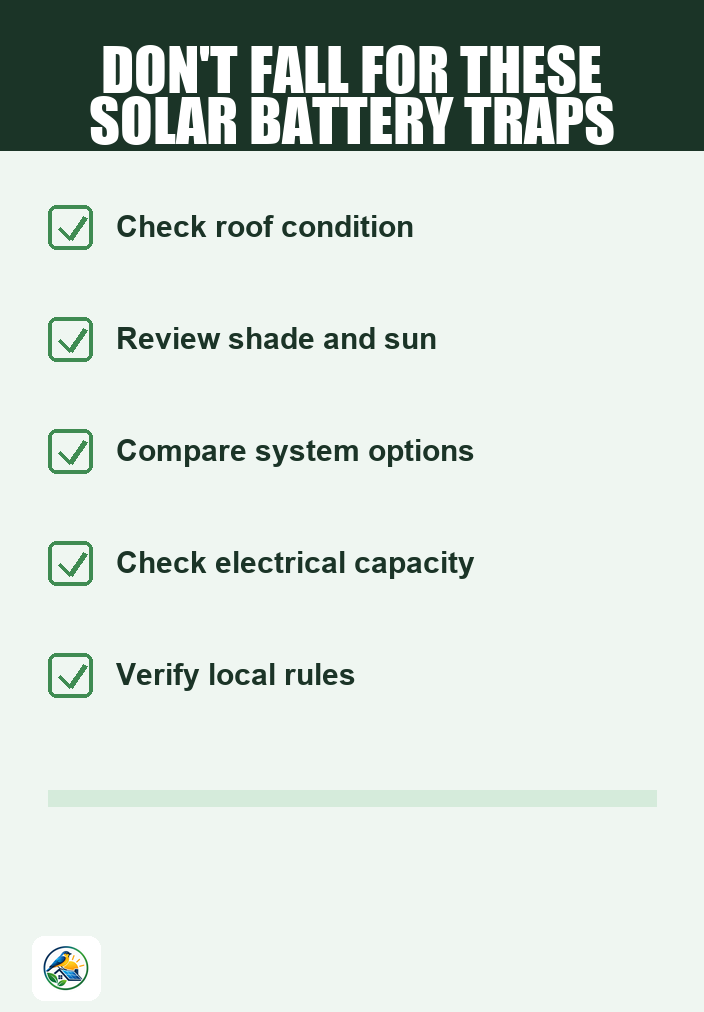
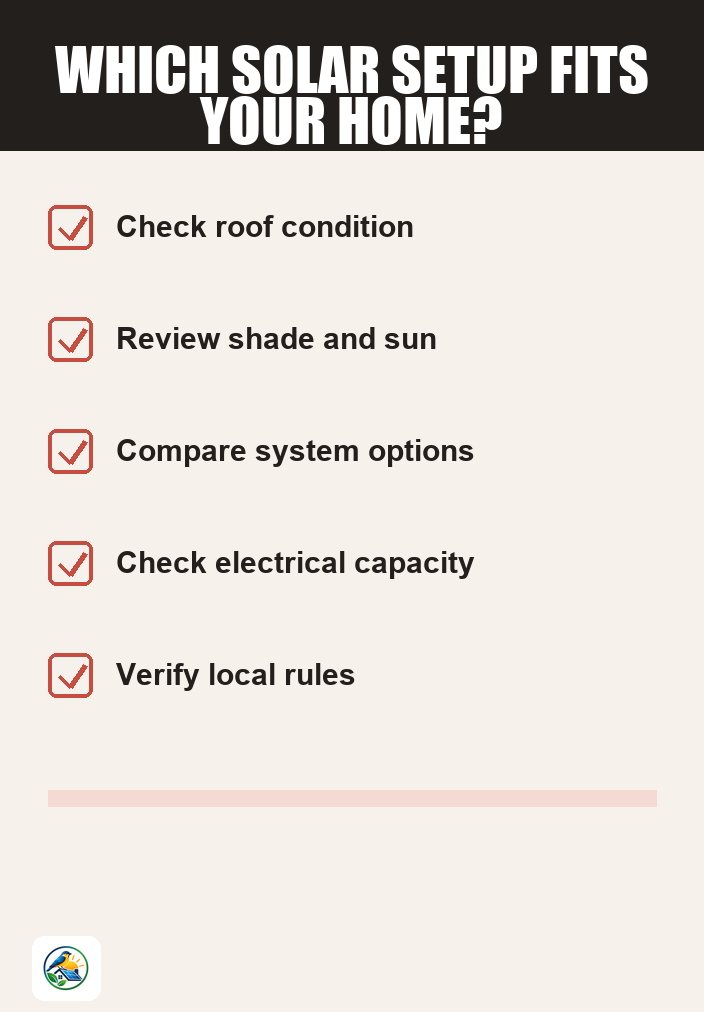
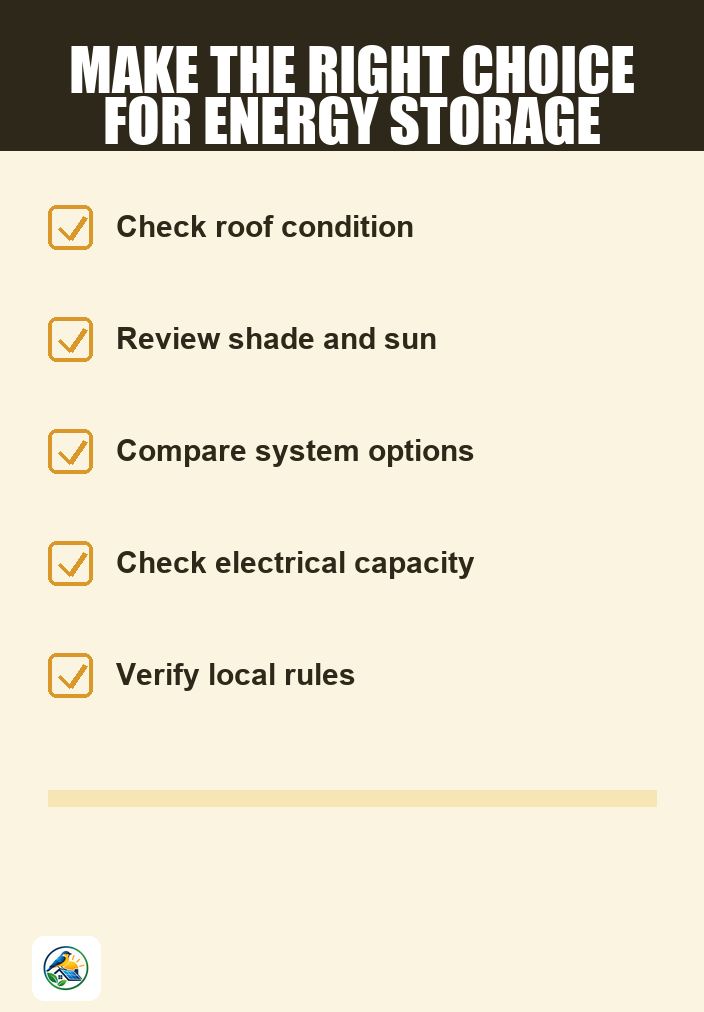
- Assess your roof condition and available space for solar panels.
- Research local regulations and utility policies regarding solar installations.
- Contact qualified installers for detailed, itemized quotes.
- Compare the benefits and costs of solar battery systems against traditional power sources.
By taking a thoughtful, informed approach, you can make the best decision for your home’s energy needs and ensure reliable access to water through your well pump.