Understanding the Hidden Costs of Solar Battery Warranties
As homeowners consider adding solar energy systems to their properties, the discussion often revolves around the upfront costs, potential savings, and environmental benefits. However, one critical aspect that can significantly impact long-term expenses is the warranty associated with solar batteries. Understanding the nuances of these warranties can help homeowners make informed decisions about their solar investments, particularly when it comes to hidden costs.
What Are Solar Battery Warranties?
Solar battery warranties are commitments made by manufacturers regarding the performance and longevity of their batteries. These warranties typically cover two main components:
- Performance Warranty: This guarantees that the battery will maintain a certain level of performance over a specified period, often expressed in terms of capacity retention.
- Product Warranty: This covers defects in materials and workmanship, usually for a shorter duration than the performance warranty.
While these warranties provide peace of mind, they can also come with hidden costs that homeowners should be aware of before making their purchase.
Common Hidden Costs of Solar Battery Warranties
When evaluating solar battery warranties, it’s essential to look beyond the surface and recognize potential hidden costs. Here are some key areas where costs can arise:
1. Warranty Length and Coverage Limitations
Most warranties last between 5 to 15 years and cover specific performance metrics. However, some warranties may have conditions that could void coverage, such as:
- Improper installation by unqualified personnel.
- Failure to comply with maintenance recommendations.
- Environmental factors that exceed manufacturer specifications (e.g., extreme temperatures).
Understanding these limitations is crucial, as they can lead to unexpected expenses if the warranty is voided during the coverage period.
2. Degradation Over Time
Many battery warranties guarantee a certain percentage of capacity retention over time. For example, a warranty might promise that the battery will retain 70% of its original capacity after 10 years. However, if the battery degrades faster than expected, homeowners might face:
- Reduced efficiency and performance, leading to higher electricity costs.
- The need to replace the battery sooner than anticipated, incurring additional costs.
Homeowners should consider the potential degradation rates when evaluating the long-term viability of their solar battery investment.
3. Replacement Costs and Labor Fees
In the event that a battery fails and a replacement is needed, some warranties may not cover the full replacement cost. Homeowners might be responsible for:
- The cost of purchasing a new battery.
- Labor costs associated with removing the old battery and installing the new one.
It’s vital to ask potential installers about these costs and whether they fall under warranty coverage or if they’re out-of-pocket expenses.
4. Maintenance Requirements
Some warranties stipulate that homeowners must perform regular maintenance to keep the warranty valid. This could involve:
- Regular inspections by a certified technician.
- Software updates or firmware checks.
These maintenance requirements can lead to additional costs that might not be immediately apparent when getting a quote.
5. Opportunity Costs
Investing in a solar battery system often requires a significant upfront investment. Homeowners should consider the opportunity costs associated with tying up capital in a solar battery system, which could otherwise be invested elsewhere. This includes:
- Potential investment growth from other financial vehicles.
- Cash flow limitations due to the upfront costs of solar and battery systems.
Understanding these trade-offs is essential when evaluating the financial implications of a solar battery warranty.
Factors to Consider When Evaluating Solar Battery Warranties
To navigate the complexities of solar battery warranties effectively, homeowners should consider the following factors:
1. Installer Reputation
Choose an installer with a strong reputation and positive reviews. A qualified installer can help ensure that the battery is installed correctly and that you understand the warranty terms.
2. Battery Technology
Different battery technologies have varying performance characteristics and warranty terms. Research the specific technology being offered and how it aligns with your energy needs.
3. Local Climate
Consider your local climate and how it might affect battery performance and longevity. Extreme temperatures can impact battery efficiency, so ensure that the warranty covers such conditions.
4. Financial Stability of the Manufacturer
Investigate the financial stability of the manufacturer. A company that is struggling financially may not be around to honor warranty claims in the future.
Next Steps for Homeowners
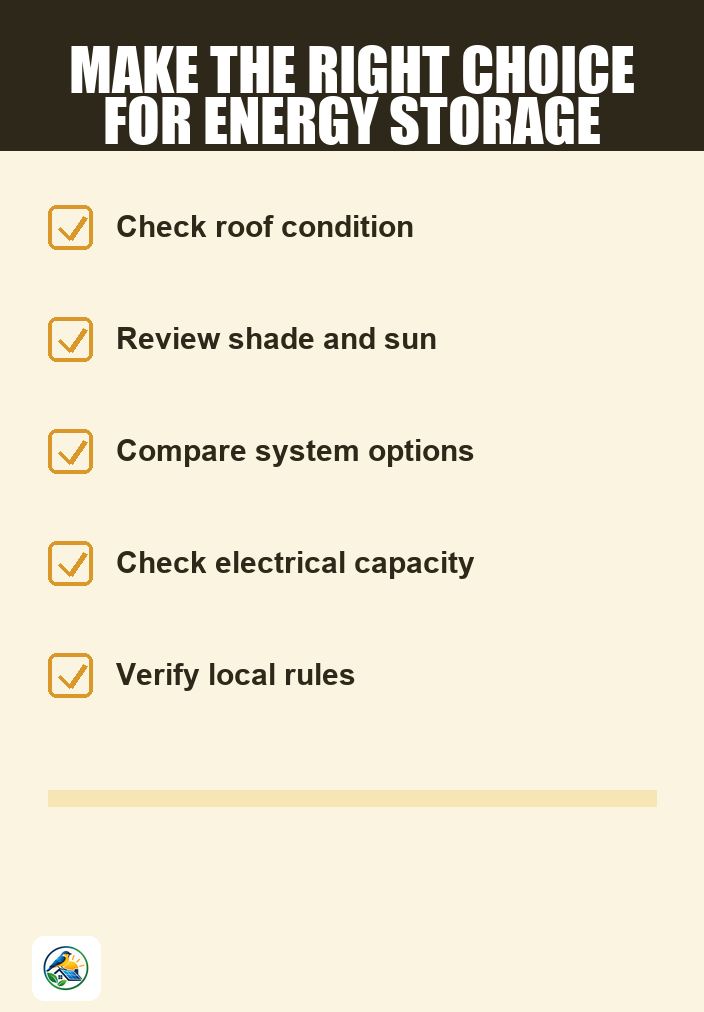
Before making a decision, it’s important to gather and compare itemized quotes from qualified solar installers. This will help you understand the total cost of ownership, including warranty terms and potential hidden costs. Don’t hesitate to ask potential installers detailed questions about warranty coverage, exclusions, and maintenance requirements. Additionally, verify any local incentives and regulations that may affect your decision.
By taking the time to understand the hidden costs associated with solar battery warranties, you can make a more informed choice that aligns with your energy needs and financial goals.