
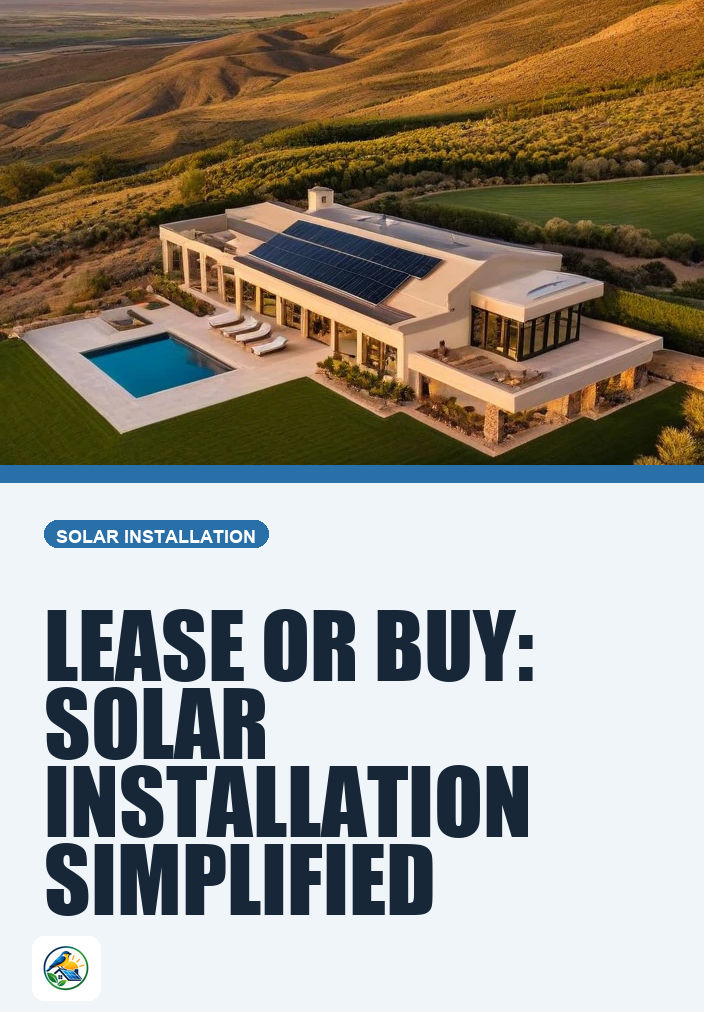
Understanding Solar Installation Financing: Lease vs. Purchase
As a U.S. homeowner considering a rooftop solar system, you are likely weighing the options for financing your installation. Two of the primary choices are leasing and purchasing the solar system outright. Each option has its own set of advantages and disadvantages, making it essential to understand how they align with your financial situation, energy needs, and long-term goals. In this article, we will explore the key differences between leasing and purchasing a solar installation, helping you determine which option may be right for you.
Solar Lease: Advantages and Considerations
Leasing a solar system allows you to use solar energy without the upfront cost of purchasing the equipment. Here are some key points to consider:
- Lower Upfront Costs: Leasing typically requires little to no initial investment, making it an attractive option for homeowners who want to avoid high upfront expenses.
- Fixed Monthly Payments: With a lease, you’ll make fixed monthly payments, which can help with budgeting. The lease often covers maintenance, so you won’t need to worry about unexpected repair costs.
- No Ownership: As a lessee, you do not own the solar panels. This means you won’t directly benefit from tax credits or rebates that a purchase might provide.
- Contract Length: Solar leases typically last 20 to 25 years. At the end of the term, you may have the option to purchase the system or extend the lease.
- Performance Risk: The leasing company assumes responsibility for the system’s performance. If the panels don’t produce as expected, they may be required to compensate you.
However, leasing isn’t without potential downsides. You may not see the same long-term financial benefits as you would with a purchase, especially if you plan to stay in your home for an extended period. Additionally, if you decide to sell your home, the lease may need to be transferred to the new owner, which can complicate the sale process.
Purchasing Solar: Benefits and Drawbacks
Purchasing a solar system means you own the panels and are responsible for their installation, maintenance, and performance. Here’s what you need to know:
- Ownership Benefits: As the owner, you can take advantage of federal tax credits and state incentives, which can significantly reduce your overall costs.
- Long-Term Savings: While the upfront cost is higher, purchasing a solar system could lead to greater savings over time, especially if you stay in your home for many years.
- Increased Property Value: Owned solar systems can potentially increase your home’s resale value, as many buyers are interested in homes equipped with renewable energy sources.
- Flexibility: You can customize your system to fit your energy needs and preferences, choosing equipment and configurations that work best for your household.
- Maintenance Responsibility: As the owner, you are responsible for maintenance and repairs, which is an important consideration when deciding to purchase.
On the flip side, purchasing a solar system involves a significant upfront investment. Homeowners need to assess their financial situation and determine if they can afford the initial costs. Additionally, if you move before the system has paid for itself, you may not reap the full benefits of your investment.
Key Factors to Consider in Your Decision
When deciding between leasing and purchasing, consider the following factors:
- Financial Situation: Assess your current financial capability. Can you afford the upfront costs of purchasing, or would a lease be more manageable?
- Energy Needs: Estimate your household’s electricity consumption. Larger systems that meet higher energy demands may offer better returns if purchased.
- Location: Local incentives, tax credits, and utility policies can greatly influence the cost and savings associated with both leasing and purchasing. Verify current local information.
- Long-Term Plans: Consider how long you plan to stay in your home. If you anticipate moving soon, leasing may be more suitable.
- Roof Condition: Ensure your roof is in good condition and can support a solar installation. If upgrades are needed, factor those into your decision.
Comparing Costs: Lease vs. Purchase
Understanding the costs associated with each option is crucial in making a well-informed decision. Here are some practical steps to help you compare:
- Get Itemized Quotes: Request quotes from multiple solar installation companies. Ensure each quote includes a detailed breakdown of costs, maintenance policies, and financing options.
- Calculate Total Costs: For leasing, factor in the total amount paid over the lease term. For purchasing, include installation costs, any applicable tax credits, and estimated maintenance costs.
- Evaluate Long-Term Savings: Estimate how much you expect to save on your electric bills over the lifespan of the system. This can help you understand the financial return of each option.
Conclusion: Making an Informed Choice
Choosing between leasing and purchasing a solar installation is not a one-size-fits-all decision. Each option has unique advantages and drawbacks that depend on your financial situation, energy needs, and future plans. To make an informed choice, gather quotes from qualified installers, thoroughly evaluate your options, and consider all relevant factors.
Ultimately, understanding your own priorities and circumstances will guide you toward the financing option that best suits your needs. Whether you choose to lease or purchase, the shift to solar energy can contribute to a more sustainable future while potentially lowering your energy costs.
As a next step, compare itemized quotes from reputable solar installers in your area to get a clearer picture of the costs involved. This will help you make a confident decision about financing your solar installation.


















