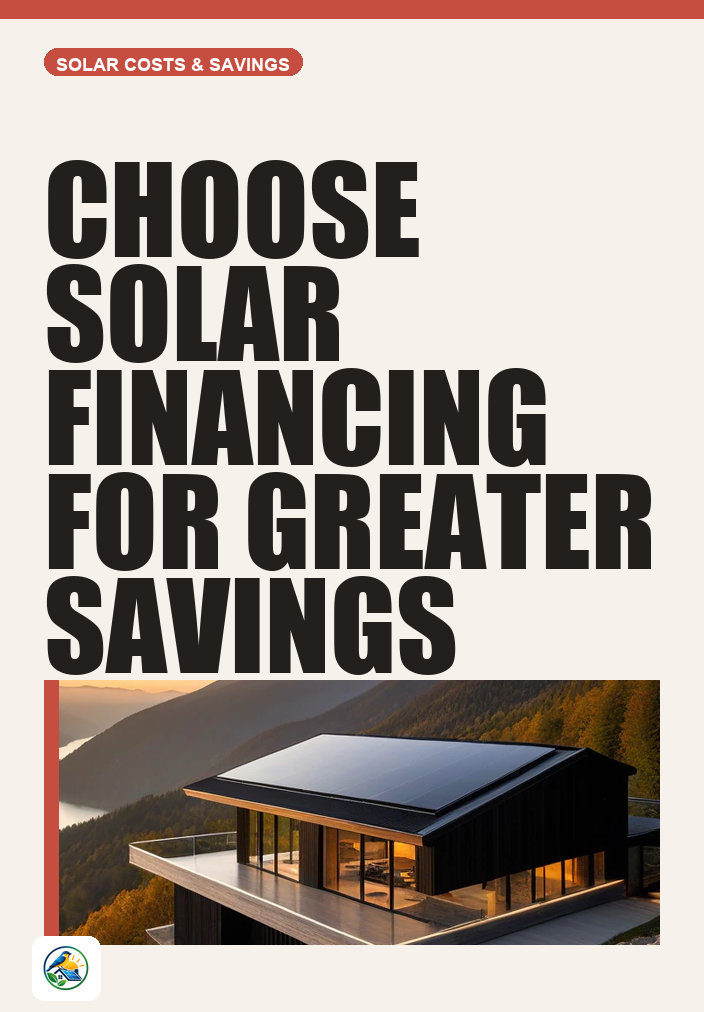
Understanding Solar Payback Periods: Cash Purchase vs. Financing
When considering a residential rooftop solar system, one of the key factors homeowners examine is the payback period—the time it takes for the savings on energy bills to equal the initial investment. This calculation can vary significantly depending on whether you choose to pay for your solar system in cash or finance it through a loan. Each option has its advantages and trade-offs that can affect your overall savings and financial outlook. In this article, we will delve into the differences between cash purchases and financing, helping you make an informed decision about which option might save you more.
Cash Purchase: Upfront Investment with Immediate Returns
Paying for a solar system in cash means making a substantial upfront investment. While this may seem daunting, there are several key benefits to consider:
- No Interest Payments: When you buy your solar system outright, you avoid paying interest, which can increase the overall cost of financing.
- Immediate Savings: With no monthly payments, the energy savings from your solar system can start immediately, leading to a faster payback period.
- Increased Home Value: A cash purchase may enhance your property value since solar systems can be an attractive feature for potential buyers.
However, the cash purchase route does come with its own considerations:
- High Upfront Costs: The initial investment can be substantial, which may not be feasible for all homeowners.
- Opportunity Cost: Using cash for solar means those funds cannot be used for other investments or emergencies.
Example of Cash Purchase Savings
Consider a scenario where a homeowner pays $20,000 for a solar system. If their energy savings amount to $2,500 annually, the payback period is straightforward:
Payback Period = Total Cost / Annual Savings
Payback Period = $20,000 / $2,500 = 8 years
Financing: Spreading Out the Costs
Financing a solar system typically involves taking out a loan or entering a lease agreement. This option allows homeowners to spread the cost over several years, making it more accessible for those who cannot afford a cash purchase. Here are some advantages:
- Lower Upfront Costs: Financing requires only a down payment, if any, making solar more accessible.
- Fixed Monthly Payments: Many financing options offer fixed monthly payments, making it easier to budget.
- Potential Incentives: Depending on the financing model, homeowners may still qualify for tax incentives and rebates.
However, financing also has drawbacks:
- Interest Costs: The total cost of financing can exceed the cash purchase price due to interest charges.
- Longer Payback Period: Monthly payments can extend the payback period, meaning it may take longer to see a return on investment.
Example of Financing Savings
Imagine the same $20,000 solar system financed with a loan at a 5% interest rate over 10 years. Your monthly payment might be around $212. If your annual savings remain at $2,500, your payback period would be more complex:
Annual Payment = Monthly Payment x 12
Annual Payment = $212 x 12 = $2,544
In this case, the effective savings are offset by loan payments, making the initial payback period longer:
Payback Period = Total Cost / (Annual Savings – Annual Payment)
Payback Period = $20,000 / ($2,500 – $2,544) = Not applicable, as savings do not exceed payments.
Comparing Cash Purchase and Financing
Ultimately, the decision between cash and financing depends on your individual financial situation, risk tolerance, and long-term goals. Here are some factors to consider:
- Financial Stability: If you have the cash available and prefer to avoid debt, a cash purchase may be ideal.
- Cash Flow Needs: If monthly cash flow is a concern, financing can provide the flexibility you need.
- Future Plans: Consider how long you plan to stay in your home. A shorter time frame may favor financing, while long-term homeowners may benefit from cash purchases.
- Market Conditions: Interest rates and local utility rates can influence the overall cost-benefit analysis.
Additional Considerations
When evaluating your options, it’s also important to consider the specifics of your situation:
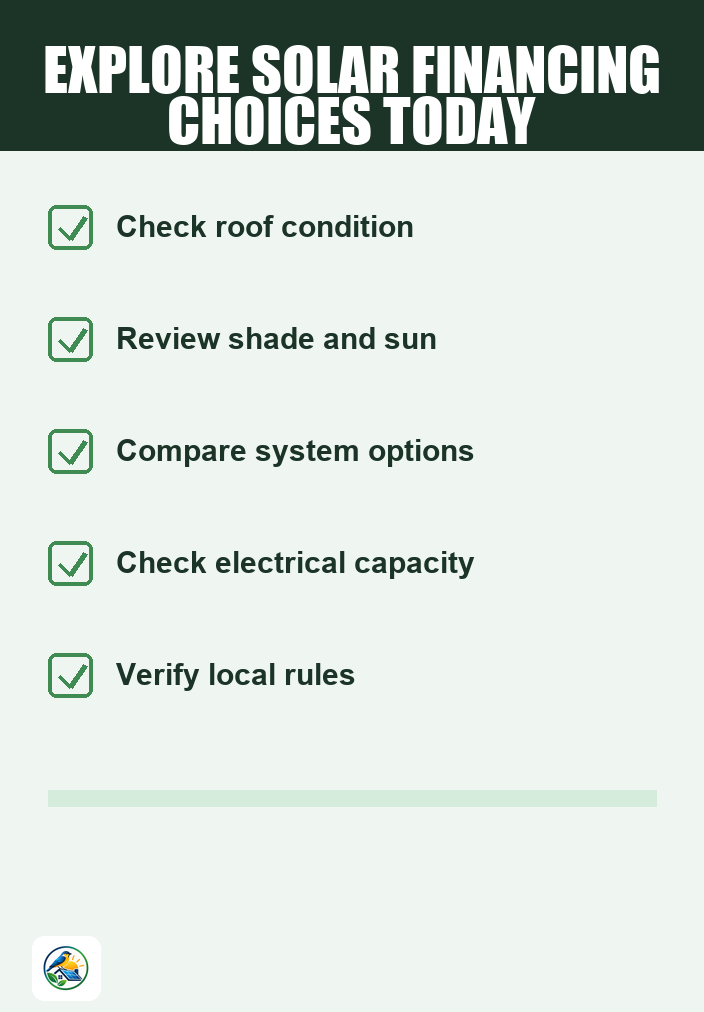
- Roof Condition: Ensure your roof can support solar panels and assess any repair needs.
- Shading and Orientation: The efficiency of your solar system can be impacted by tree cover or roof orientation.
- Utility Policies: Understand your local utility’s net metering rules, which can affect your savings.
- Incentives: Verify current local, state, and federal incentives that may apply to your purchase or financing option.
Next Steps for Homeowners
Deciding between a cash purchase and financing for a solar system involves careful consideration of your financial situation and goals. To make an informed decision:
- Gather Quotes: Contact qualified solar installers for itemized quotes based on your specific property and energy needs.
- Evaluate Options: Compare the total costs, including interest rates for financing and potential savings for cash purchases.
- Consult Professionals: Speak with financial advisors or tax professionals to understand the implications of solar investments.
With thorough research and planning, you can choose the best financing option for your solar investment, setting yourself up for potential energy savings and increased home value in the long run.