
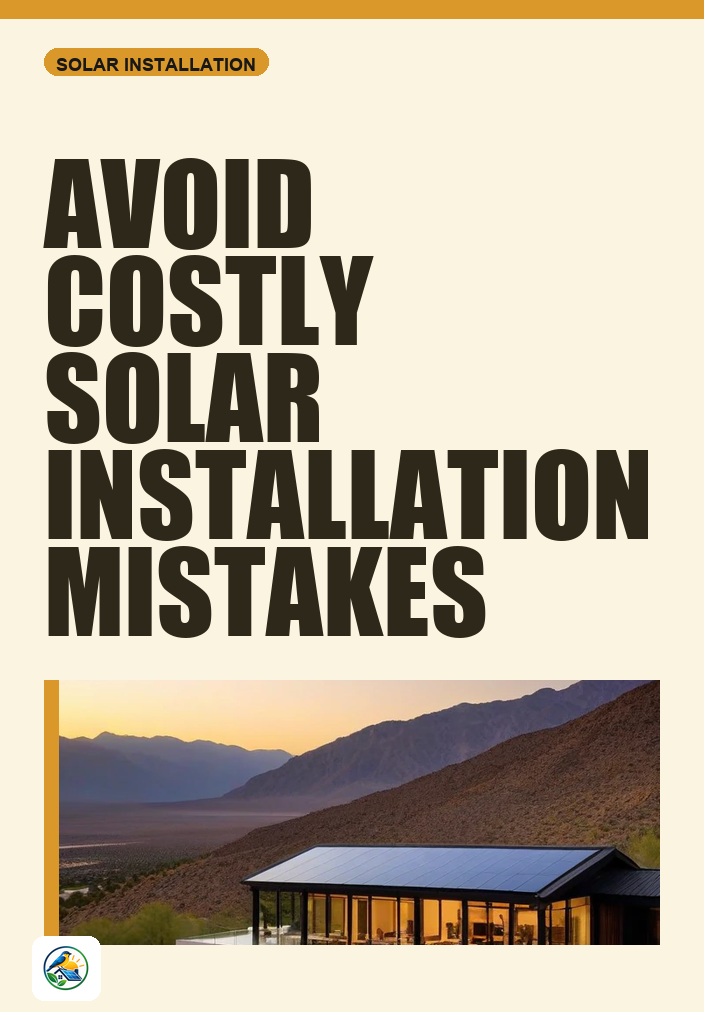
Understanding Common Solar Installation Pitfalls
When considering a residential solar installation, many homeowners are excited about the potential benefits—reduced energy bills, a smaller carbon footprint, and energy independence. However, the journey from considering solar to installation can be fraught with pitfalls that your contractor may not disclose upfront. Awareness of these potential issues is crucial to making an informed decision that aligns with your home’s needs and your financial situation.
1. The Importance of Site Assessment
Before you even receive a quote, your solar installer should conduct a thorough site assessment. This involves evaluating your roof’s condition, orientation, and shading. A common pitfall is assuming that any roof can accommodate solar panels. Here are some factors to consider:
- Roof Condition: Ensure your roof is in good shape; if it needs repairs or replacement soon, solar panels should be installed after those updates.
- Orientation: South-facing roofs typically capture the most sunlight, but east and west-facing roofs can still be effective.
- Shading: Trees, chimneys, or neighboring buildings can obstruct sunlight. Use tools like solar pathfinders to assess shading accurately.
If these factors are overlooked, it may lead to decreased efficiency and higher energy costs, negating the benefits of going solar.
2. Understanding System Types: Grid-Tied vs. Off-Grid
Another critical consideration is the type of solar system that best suits your needs. The two main categories are grid-tied and off-grid systems:
- Grid-Tied Systems: These systems are connected to the utility grid and are the most common. They allow for net metering, where excess energy produced can offset utility costs.
- Off-Grid Systems: These systems are self-sufficient and are ideal for remote areas. However, they require battery storage, which adds complexity and cost.
Discussing your long-term energy goals with your contractor can help determine which system is appropriate for your situation.
3. Hidden Costs and Financing Options
Solar installation costs can vary widely based on equipment, labor, and local incentives. However, it’s important to ask about potential hidden costs:
- Electrical Upgrades: If your home’s electrical system is outdated, it may require upgrades to support a solar installation.
- Permitting and Interconnection Fees: These costs can vary by location and may not be included in initial quotes.
- Maintenance: Some systems require regular maintenance or inspections, which can incur additional costs.
Make sure to request a detailed, itemized quote that outlines all costs associated with the installation. Understanding your financing options is also essential. While some homeowners choose to pay upfront, others may opt for loans or leasing options that can affect long-term savings.
4. The Role of Battery Storage
If you’re considering adding a home battery to your solar system, be aware of the trade-offs. While batteries can store excess energy for use at night or during outages, they also come with their own set of challenges:
- Cost: Battery systems can significantly increase the overall installation price.
- Capacity Limits: Not all batteries can store enough energy for prolonged outages, so it’s vital to understand their limits.
- Maintenance: Batteries may require maintenance or replacement after a certain number of cycles.
Discuss your energy needs with your contractor to determine if a battery is a worthwhile addition to your system.
5. Local Regulations and Utility Policies
Each state and municipality has different regulations regarding solar installations, which can affect your project. Key points to investigate include:
- Permitting Process: Understand the local permitting requirements and how long they may take to avoid delays.
- Interconnection Rules: Know the process for connecting your system to the grid and any associated fees.
- Net Metering Policies: These rules dictate how you’ll be compensated for excess energy fed back into the grid.
It’s wise to familiarize yourself with these local regulations before signing any contracts. Your installer should be equipped to guide you through these processes, but independent research will help you stay informed.
6. Evaluating Installer Qualifications
Not all solar installers are created equal. When you receive quotes, take the time to evaluate each contractor’s qualifications:
- Experience: Look for installers with a proven track record and positive customer reviews.
- Certifications: Verify that they are certified by relevant organizations, such as the North American Board of Certified Energy Practitioners (NABCEP).
- Warranty Offers: Review the warranties they provide on both the equipment and the installation. A strong warranty can indicate confidence in their work.
Don’t hesitate to ask for references or case studies of similar installations in your area. This will help you gauge the installer’s reliability and expertise.
Next Steps: Making an Informed Decision
As you embark on your solar journey, the key to avoiding pitfalls is thorough research and due diligence. Start by comparing itemized quotes from multiple qualified installers, ensuring each quote includes all potential costs and considerations discussed in this article. Don’t rush the decision-making process; take the time to understand your specific needs and circumstances.
Solar energy has the potential to provide significant benefits, but it’s essential to approach your installation with a comprehensive understanding of your options and the associated challenges. With careful planning and informed choices, you can make a decision that best suits your home and your energy goals.


















