
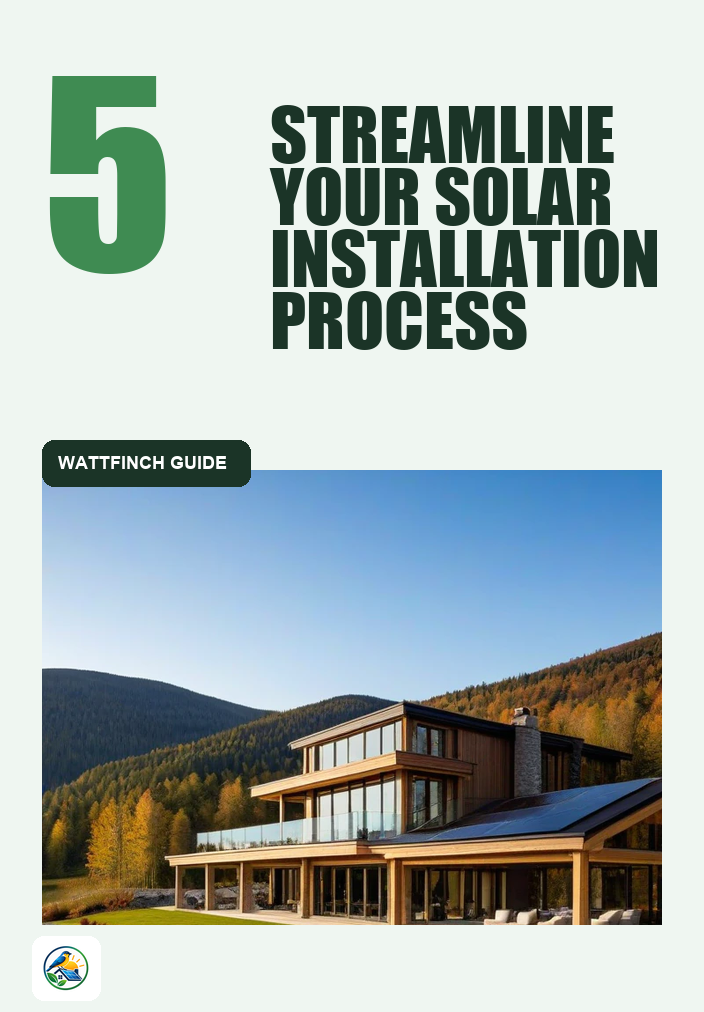
Understanding Solar Installation Permits: A Homeowner’s Solution to Avoid Delays
As a homeowner considering a professionally installed residential rooftop solar system, one critical aspect you’ll need to navigate is the permitting process. Obtaining the necessary solar installation permits can significantly impact the timeline and success of your project. Understanding this process will help you avoid unnecessary delays and ensure a smoother transition to renewable energy.
The Importance of Solar Permits
Solar installation permits are legal approvals that allow you to install a solar energy system on your property. These permits are essential for several reasons:
- Compliance with Local Laws: Each municipality has different regulations governing solar installations. Permits ensure that your project adheres to these laws.
- Safety Standards: Permits help ensure that the installation meets safety codes, protecting you and your property from potential hazards.
- Insurance Coverage: Properly permitted systems are often necessary for insurance claims related to damage or liability.
Types of Permits You May Need
The specific permits required can vary based on your location and the scope of your project. Here are the most common types of permits you might encounter:
Building Permits
Most municipalities require a building permit for solar installations. This permit verifies that your installation complies with structural safety standards. If your roof is older or in poor condition, you may need to address repairs before obtaining this permit.
Electrical Permits
Electrical permits are necessary when the solar system involves modifications to your existing electrical setup. This ensures that all electrical work meets safety standards and is completed by a licensed electrician.
Zoning Permits
Some areas may require zoning permits, especially if your installation impacts the aesthetics of the neighborhood. This is more common in areas with strict homeowner association (HOA) rules or in historic districts.
The Permitting Process: What to Expect
The permitting process can seem daunting, but understanding the typical steps involved can ease your concerns:
- Consult with Your Installer: A qualified solar installer will typically handle most of the permitting process for you. They will know the specific requirements for your area and can help gather necessary documentation.
- Prepare Documentation: You may need to provide details about your proposed system, such as equipment specifications, site plans, and electrical diagrams.
- Submit Applications: Your installer will submit the necessary permit applications to your local government. This may include an application fee, which varies by location.
- Wait for Approval: The approval period can range from a few days to several weeks, depending on the local government’s workload and efficiency.
- Schedule Inspections: After receiving permits, inspections will be scheduled to ensure compliance with all codes and standards.
Common Challenges Homeowners Face
While the permitting process is generally straightforward, homeowners may encounter challenges. Here are some common issues:
- Delays in Permitting: Sometimes, local authorities may take longer to process applications. This can be frustrating, especially if you’re eager to start your project.
- Additional Requirements: Depending on your area, you may face unexpected requirements, such as additional inspections or documentation.
- Property Restrictions: Homeowners associations, zoning laws, or historic preservation rules may restrict the type or placement of solar panels.
Factors to Consider Before Installation
Before diving into solar installation, consider the following factors to avoid complications:
Roof Condition
Your roof’s condition directly impacts your solar installation. If your roof is older or shows signs of wear, it may need repairs or even replacement before installation. This could add time and expense to your project.
Orientation and Shade
The orientation of your roof and the amount of shade it receives can affect the efficiency of your solar system. A roof that faces south and is free from obstructions will typically yield better results. If your roof has significant shading from trees or nearby buildings, you may need to explore alternative solutions, such as trimming trees or optimizing panel placement.
Electrical Upgrades
In some cases, your home’s electrical system may require upgrades to accommodate a new solar installation. This could involve replacing outdated wiring or upgrading your electrical panel. Understanding these requirements upfront can save time later.
Financing and Maintenance
Consider how you will finance your solar installation and ongoing maintenance needs. While many homeowners find solar financing options beneficial, evaluate the total potential costs, including installation, maintenance, and any future upgrades.
Professional Installers: Your Best Resource
Choosing a qualified solar installer can make a significant difference in your experience. Here’s why:
- Expertise: Professional installers have a deep understanding of local regulations and will handle most of the permitting process on your behalf.
- Itemized Quotes: A reputable installer should provide a detailed quote that breaks down costs, including installation, equipment, and permitting fees. This transparency helps you compare offers effectively.
- Post-Installation Support: Many installers offer warranties and maintenance plans, providing peace of mind for the future.
Next Steps for Homeowners
As you consider moving forward with a solar installation, take these practical next steps:
- Research Local Regulations: Investigate the specific permitting requirements in your area. Each municipality has its own rules, so independent verification is essential.
- Seek Multiple Quotes: Contact several qualified solar installers and request itemized quotes. This will help you compare options and make an informed decision.
- Prepare for Inspections: Once you choose an installer, ensure your property is ready for inspections by addressing any potential issues.
Understanding the permitting process is crucial for a successful solar installation. By being proactive and informed, you can avoid delays and enjoy the benefits of solar energy in your home.


















