
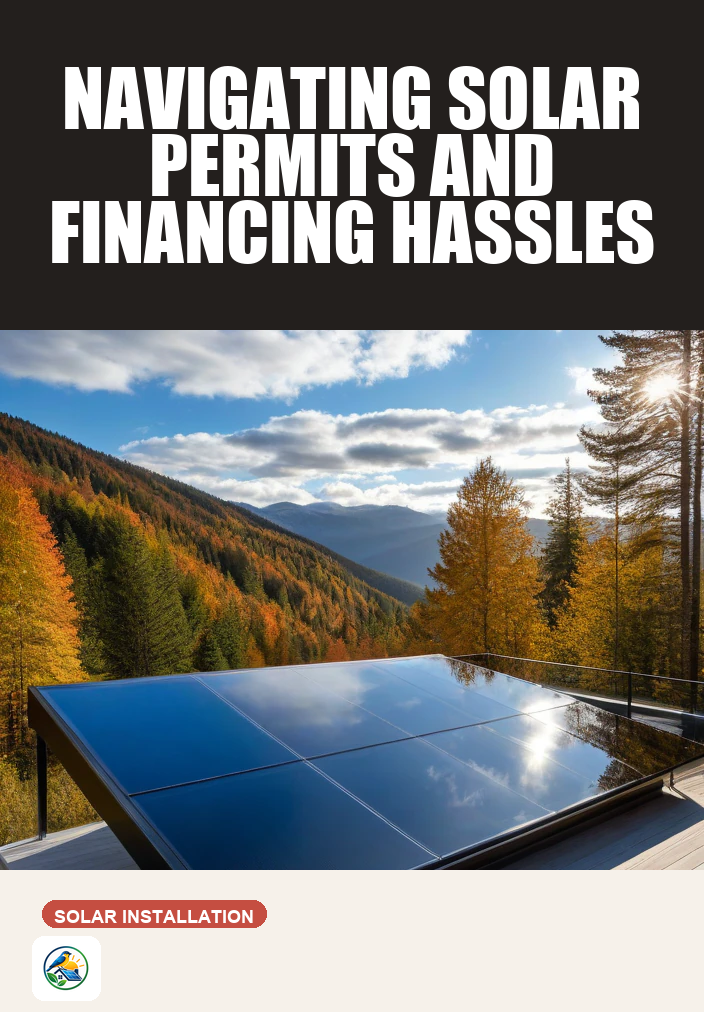
Understanding Solar Installation Permits: Choosing the Right Financing Option for Your Home
For homeowners considering a solar installation, navigating the complexities of permits and financing options can feel overwhelming. Understanding these elements is crucial to making an informed decision about whether solar is the right fit for your home. This article will guide you through the permitting process, explore various financing options, and highlight essential considerations to help you choose the best path forward.
The Importance of Solar Installation Permits
Before installing a solar system, obtaining the necessary permits is essential. These permits ensure that your installation complies with local building codes, zoning laws, and safety regulations. The permitting process may vary significantly based on your location and the specifics of your home. Here are some key points to consider:
- Local Regulations: Each municipality has its own rules concerning solar installations. Some areas may require detailed plans and inspections, while others may have streamlined processes.
- Homeowner Associations (HOAs): If your home is part of an HOA, you may need additional approval before proceeding with solar installation. Review your association’s guidelines thoroughly.
- Interconnection Agreements: If you plan to connect your solar system to the local grid, you’ll need to understand the interconnection process. This agreement allows you to send excess energy back to the grid and can vary by utility company.
Financing Options for Solar Installation
Once you have a grasp on the permitting process, it’s time to explore financing options. Each option has its trade-offs, and the right choice will depend on your financial situation, long-term goals, and how you plan to use your solar system.
1. Cash Purchase
Paying for your solar system upfront with cash is the most straightforward option. This approach eliminates interest payments and financing fees, allowing you to fully own your system. However, it requires a significant initial investment, which may not be feasible for all homeowners.
2. Solar Loans
Solar loans allow homeowners to finance their solar system over time, typically through fixed monthly payments. Here are a few types of solar loans:
- Secured Loans: These loans require collateral, often in the form of your home. They typically offer lower interest rates but carry the risk of losing your home if you default.
- Unsecured Loans: These loans do not require collateral, making them less risky for homeowners. However, they may come with higher interest rates.
- Home Equity Loans or Lines of Credit: You can use the equity in your home to finance your solar installation. This option can provide lower interest rates but may put your home at risk if you cannot make payments.
3. Solar Leases and Power Purchase Agreements (PPAs)
With a solar lease, you pay a fixed monthly fee to use the solar system installed on your property without owning the equipment. Alternatively, a PPA allows you to pay for the electricity generated by the solar panels at a set rate. While these options may provide lower upfront costs, they often come with long-term commitments and may limit your eligibility for certain tax incentives.
4. Incentives and Tax Credits
While this article does not promise specific savings or outcomes, it’s important to mention that various federal, state, and local incentives may be available. Homeowners should verify current incentives in their area, as these can significantly influence the overall cost of installation. Be cautious and consult with a tax professional regarding eligibility for any federal tax credits or local rebates.
Considerations When Choosing the Right Option
When determining which financing option is right for you, consider the following factors:
- Upfront Costs: Assess how much you can afford to invest initially. If you have limited savings, financing may be the better option.
- Long-Term Financial Goals: Consider how long you plan to stay in your home. If you intend to move soon, leasing or a PPA may be more suitable.
- System Ownership: Owning your solar system typically means better long-term financial benefits, including potential tax credits and incentives.
- Energy Needs: Evaluate your energy consumption and how a solar system will meet your needs. A professional installer can help assess this.
- Maintenance and Upgrades: Understand the maintenance requirements of your system, whether you own it or lease it. Also, consider potential future upgrades or how your energy needs may change.
The Role of Professional Installers
When considering solar installation, obtaining quotes from qualified installers is a critical next step. Professional installers can evaluate your property, provide detailed estimates, and help you navigate the permitting process. They can also offer insights into the specific incentives available in your area and recommend suitable financing options that align with your goals.
Be sure to compare itemized quotes from multiple installers. Look for transparency in pricing and clarity on what is included in the installation package. This will help you make an informed decision and ensure you select a reputable company.
Next Steps for Homeowners
As you explore the option of a solar installation, consider the following practical steps:
- Research local regulations and permitting requirements for solar installations in your area.
- Evaluate your financing options based on your budget and long-term goals.
- Gather information about available incentives and tax credits, ensuring you verify their current status.
- Request detailed quotes from multiple qualified installers to understand your options and make an informed decision.
By taking the time to understand the permitting process and financing options, you can make a thoughtful decision about whether solar energy is the right choice for your home. Remember, every home is unique, and what works for one homeowner may not be suitable for another. Prioritize your needs and objectives as you embark on this journey.


















