
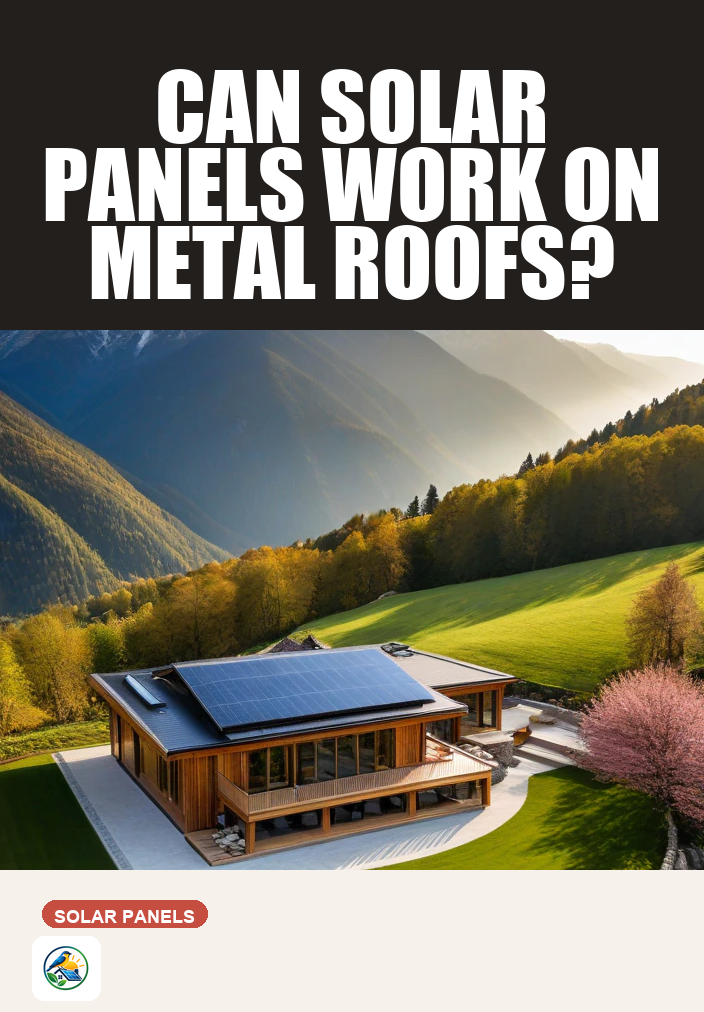
Understanding the Challenges of Installing Solar Panels on Metal Roofs and Their Solutions
As more homeowners look to solar energy as a sustainable power solution, the type of roofing material can significantly impact the installation process. Metal roofs, known for their durability and longevity, present unique challenges and opportunities when it comes to installing solar panels. This article will explore the various hurdles that come with installing solar panels on metal roofs and provide practical solutions for homeowners considering this energy-efficient upgrade.
Common Challenges of Installing Solar Panels on Metal Roofs
While metal roofs offer several advantages, such as excellent weather resistance and minimal maintenance, they also present specific challenges for solar panel installation. Understanding these challenges is crucial for homeowners contemplating solar energy.
1. Roof Structure and Condition
The first consideration is the structure and condition of the metal roof. If the roof is old or has any underlying damage, it may not be suitable for solar panel installation. Any repairs or reinforcements needed can increase costs and complicate the installation process.
2. Mounting Systems
Metal roofs require specialized mounting systems due to their unique surface and materials. Traditional mounting methods may not be effective, and using inappropriate hardware can lead to leaks or damage. The chosen mounting system must be compatible with the specific type of metal roofing, whether it’s standing seam, corrugated, or flat.
3. Potential for Roof Penetration
Some solar installations necessitate penetrating the roof surface, which can be a concern for metal roofs. While proper sealing techniques can mitigate leak risks, homeowners must weigh the pros and cons of roof penetration versus non-penetrating mounting options.
4. Installation Costs
Due to the specialized equipment and techniques required for metal roofs, installation costs can be higher compared to traditional asphalt shingles. Homeowners should be prepared for these potential additional expenses when budgeting for a solar system.
Solutions for Overcoming Installation Challenges
While the challenges of installing solar panels on metal roofs can seem daunting, there are effective solutions to address these issues. Here are some strategies to consider:
1. Work with Experienced Installers
Choosing a qualified solar installer with experience in metal roof installations is essential. An installer who understands the nuances of your specific roofing type can provide tailored solutions and help avoid common pitfalls associated with improper installations.
2. Select the Right Mounting System
There are various mounting systems available for metal roofs, including:
- Standing Seam Mounts: These systems clamp onto the seams of standing seam roofs without penetrating the metal, preserving the roof’s integrity.
- Rail Systems: Rail mounting systems can be used for corrugated metal roofs, allowing for a secure installation while accommodating the roof’s contours.
- Direct Attach Systems: These are designed for flat metal roofs and can minimize installation time and costs.
Reviewing the mounting options with your installer can help ensure you select the best solution for your roof type.
3. Conduct a Roof Inspection
Before installation, conduct a thorough inspection of your roof. This should include checking for rust, loose panels, or other damage. If repairs are necessary, addressing them before the solar installation can prevent future complications and additional costs.
4. Explore Alternative Mounting Options
If penetrating the roof is a concern, consider non-penetrating mounting options. Many installers offer solutions that do not require roof penetrations, which can alleviate worries about leaks and roof integrity.
5. Understand Local Regulations and Permitting
Solar installations are subject to local building codes and regulations, which can vary by location. It’s crucial to research and understand these requirements before proceeding. This includes obtaining necessary permits and ensuring compliance with zoning laws and homeowner association regulations.
Considerations for Homeowners
Before committing to a solar installation, homeowners should evaluate several factors:
1. Roof Orientation and Shade
The orientation of your roof and any potential shade from nearby trees or structures can impact solar performance. A south-facing roof with minimal shading is ideal for maximizing energy production. If your roof does not meet these criteria, discussing alternative placements or system designs with your installer is essential.
2. Energy Consumption and Needs
Assess your household energy consumption to determine the appropriate solar system size. Understanding your energy needs can help you evaluate different system configurations and costs.
3. Financing Options
Financing a solar installation can be a significant consideration. Explore various options, including loans, leases, or power purchase agreements (PPAs). Each financing method has its advantages and drawbacks, and the best choice depends on your financial situation and long-term energy goals.
4. Battery Storage
If you’re considering a home battery, think about how it integrates with your solar system. Battery systems can provide backup power during outages and enable energy usage during peak times, but they also add to the overall cost of your solar investment.
Next Steps for Homeowners
If you’re a homeowner considering solar panels for your metal roof, start by evaluating your roof’s condition and orientation. Next, seek quotes from multiple qualified installers who can provide itemized estimates tailored to your specific needs. Comparing quotes will help you understand the costs and potential solutions for your home.
Finally, ensure you verify any available local incentives or tax credits, as these can vary widely and significantly impact your overall investment. With the right preparation and research, you can successfully navigate the challenges of installing solar panels on a metal roof, turning your home into a sustainable energy source.


















