
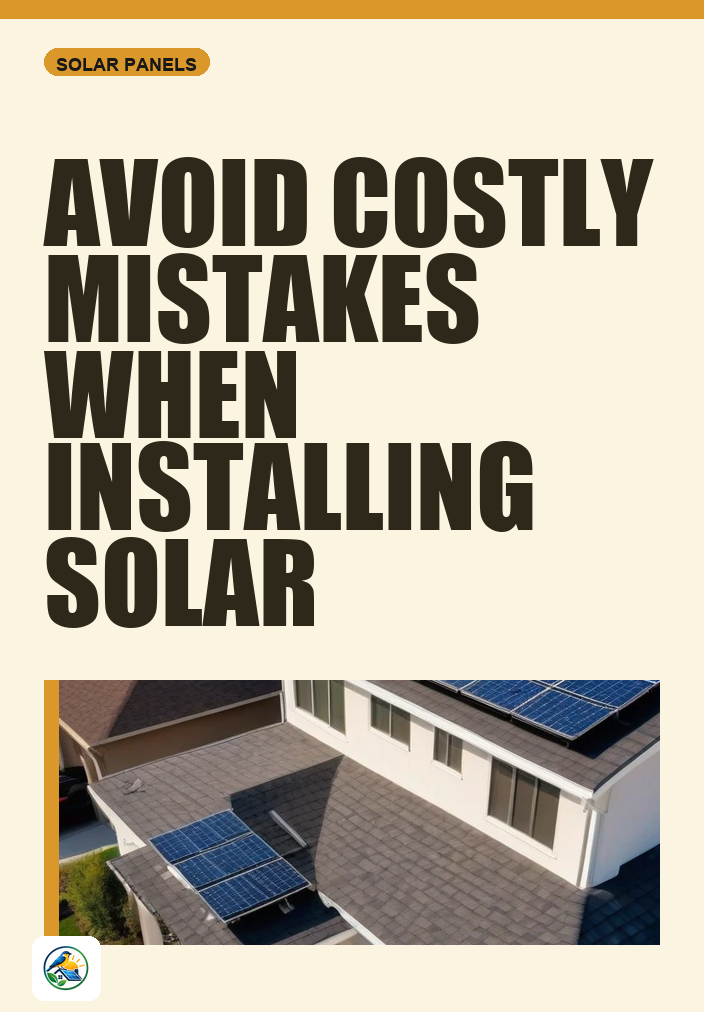
Understanding Solar Panel Installation for Your All-Electric Home
Installing solar panels on your all-electric home can be a significant decision, one that requires careful consideration of various factors. Whether you are exploring this option for environmental reasons, energy independence, or potential financial benefits, it’s crucial to approach the decision with a clear understanding of what’s involved. In this article, we will guide you through key aspects to consider before moving forward with solar installation.
Assessing Your Home’s Suitability for Solar
Not every home is ideal for solar panels. Before getting quotes from installers, evaluate your home’s specific characteristics:
- Roof Condition: Ensure your roof is in good condition. If it needs repairs or replacement, it’s wise to address these issues before installation.
- Roof Orientation and Angle: South-facing roofs typically receive the most sunlight, but east and west-facing roofs can also be effective. The angle of your roof can impact efficiency, with a pitch that ideally ranges between 15° and 40°.
- Shade Issues: Evaluate any trees, buildings, or other structures that may cast shadows on your roof. Even partial shading can significantly reduce solar panel efficiency.
- Size and Space: Consider the available roof space for solar panels. More panels generally mean more energy production, but it’s essential to balance this with the roof’s capacity.
Understanding Solar Technology Options
When considering solar panels, you’ll encounter different technologies and systems. Here are the primary options:
Grid-Tied vs. Off-Grid Systems
- Grid-Tied Systems: These are the most common for residential homes. They connect your solar panels to the local power grid, allowing you to draw energy from the grid when needed and feed excess energy back to it.
- Off-Grid Systems: These systems operate independently from the grid, requiring battery storage to ensure a continuous power supply. They are suitable for remote locations but can be more complex and costly.
Battery Storage Options
Many homeowners now consider adding battery storage to their solar systems. This allows for energy use during peak hours or outages. However, keep in mind:
- Batteries add to the upfront cost and may require additional maintenance.
- They may not provide a complete solution for long-term energy independence, especially in areas with limited sunlight.
Evaluating Financial Considerations
The financial implications of installing solar panels can vary significantly based on multiple factors. Here are some considerations to keep in mind:
- Initial Costs: The price of solar panel installation can vary based on system size, equipment quality, and labor costs. Obtain itemized quotes from multiple installers to compare.
- Financing Options: Explore different financing options, including loans, leases, or power purchase agreements (PPAs). Each has its pros and cons, so consider what aligns best with your financial goals.
- Incentives and Tax Credits: While there may be federal, state, or local incentives available, these can change over time. Always verify current programs and eligibility before assuming they apply to your situation.
Permitting and Interconnection
Before installation can begin, you’ll need to navigate the permitting process and interconnection with your local utility. Key points include:
- Permitting: Your local government will usually require permits for solar installation. This can include building permits and electrical permits.
- Interconnection Agreements: If you’re connecting to the grid, you’ll need an interconnection agreement with your utility, which outlines how your system will operate in conjunction with their power supply.
Maintenance and Longevity of Solar Systems
Once installed, solar panels generally require minimal maintenance. However, it’s important to consider:
- Cleaning: Dust, debris, and snow can accumulate on panels, potentially reducing efficiency. Regular cleaning may be necessary, depending on your environment.
- Inspection: Periodic inspections can help identify any potential issues, ensuring the system operates at optimal efficiency.
- Longevity: Most solar panels have a lifespan of 25 years or more, but performance can degrade over time. Check warranties provided by manufacturers and installers.
Consider Your Future Energy Needs
When planning for solar installation, consider your future energy needs:
- Are you planning to expand your home or make significant energy-consuming changes, such as adding an electric vehicle?
- Evaluate your current energy consumption and how it may change over time. This can help in sizing your system appropriately.
Next Steps for Homeowners
Before making a decision to install solar panels, take the following steps:
- Assess Your Home: Use the considerations outlined above to evaluate your home’s suitability for solar.
- Research Local Installers: Look for qualified installers with good reviews and experience. Obtain multiple quotes to compare pricing, equipment, and warranties.
- Verify Incentives: Research current federal, state, and local incentives that may apply to your situation.
- Calculate Your Needs: Think about your energy consumption and future needs to ensure your system is appropriately sized.
By taking the time to thoroughly assess your situation and understand the factors involved, you can make an informed decision about installing solar panels in your all-electric home.


















