
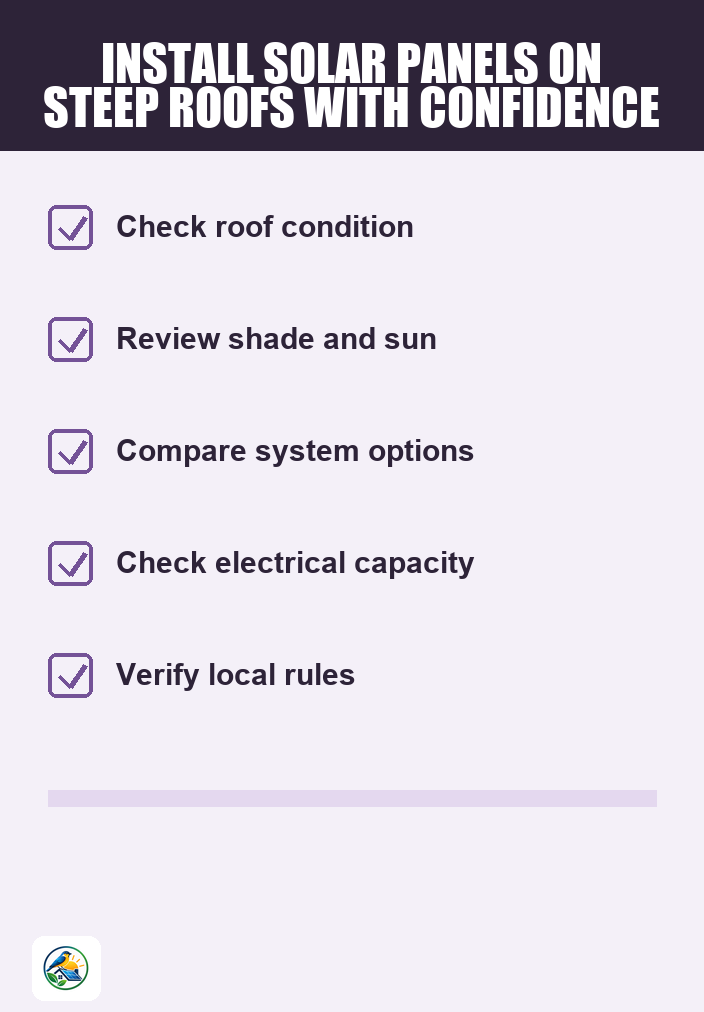
Understanding the Challenges of Installing Solar Panels on Steep Roofs
Installing solar panels on a steep roof presents unique challenges and benefits that homeowners should consider. While steep roofs can enhance energy efficiency, they also require careful planning and professional expertise. This article will guide you through the essentials of installing solar panels on steep roofs, helping you make an informed decision for your home.
Evaluating Your Roof’s Suitability for Solar Panels
Before moving forward with solar panel installation, assess your roof’s condition and steepness. A roof that is too steep may complicate installation and maintenance but can also maximize sunlight exposure. Here are some factors to consider:
- Roof Condition: Ensure that your roof is structurally sound. Cracks, leaks, or age-related wear can complicate the installation process.
- Steepness: Roofs with a pitch greater than 4:12 (a 4-inch rise for every 12 inches of run) may require specialized mounting systems or additional safety measures.
- Orientation: South-facing roofs typically capture the most sunlight, but east and west-facing roofs may still be viable options depending on your energy needs.
- Shade: Nearby trees, buildings, or other obstructions can hinder sunlight exposure, reducing the effectiveness of solar panels.
Types of Solar Panel Systems Suitable for Steep Roofs
Homeowners can choose between different types of solar panel systems, each with its own advantages and drawbacks:
- Grid-Tied Systems: These systems connect to the local utility grid and allow homeowners to send excess energy back to the grid. They are cost-effective but do not provide power during outages.
- Battery Backup Systems: These systems store energy for use during outages or peak demand times. They add cost but increase energy independence, which can be beneficial for homes in areas with frequent outages.
- Off-Grid Systems: Ideal for remote locations, these systems operate independently of the utility grid. They require a larger upfront investment and careful planning for energy usage.
Installation Considerations for Steep Roofs
Installing solar panels on a steep roof involves specific techniques and precautions:
Mounting Systems
Steep roofs often require specialized mounting systems designed to grip securely to the roof surface. These systems may include:
- Ballasted Mounts: These rely on weight to hold panels in place and are useful for flat roofs but may not be suitable for steep roofs.
- Pitched Roof Mounts: These systems are designed specifically for steep roofs, using brackets and rails to secure panels safely.
Access and Safety
Safety is a critical concern when working on steep roofs. Professional installers use harnesses, scaffolding, and other safety gear to minimize risk. Ensure your installer follows proper safety protocols to protect both workers and your property.
Cost Factors and Return on Investment
While it’s important to acknowledge that solar panel costs and incentives can vary significantly, here are some common factors that may influence the total expense:
- Installation Complexity: Steep roofs may increase installation costs due to the need for specialized equipment and safety measures.
- Roof Type: Certain roofing materials may require different mounting solutions, affecting the overall cost.
- Incentives: Federal, state, and local incentives can offset some costs, but it’s crucial to verify current programs and eligibility in your area.
Permitting and Interconnection Requirements
Before installation, you’ll need to navigate local permitting and interconnection requirements. This process can vary widely depending on your location:
- Building Permits: Many jurisdictions require permits for solar panel installations. Check local regulations to ensure compliance.
- Utility Interconnection: If connecting to the grid, you may need permission from your local utility. This process can involve inspections and paperwork.
Maintenance Considerations for Solar Panels on Steep Roofs
Maintaining solar panels is essential for optimal performance, especially on steep roofs:
- Regular Inspections: Have your panels inspected annually to check for debris, damage, and proper function.
- Cleaning: Dust, leaves, and snow can accumulate on panels, reducing efficiency. Regular cleaning may be necessary, especially if you live in a dusty or snowy area.
Making Your Decision
Deciding to install solar panels on a steep roof involves weighing the advantages against the potential challenges. It’s advisable to obtain quotes from qualified solar installers who can assess your specific situation. A detailed quote can help you understand:
- The total cost of installation, including any added expenses due to your roof’s steepness.
- The expected energy production and savings based on your roof orientation and local conditions.
- The available incentives and financing options specific to your location.
Next Steps for Homeowners
As you consider solar panels for your steep roof, take the following practical steps:
- Assess your roof’s condition and suitability for solar panels.
- Research local solar installers and request itemized quotes.
- Verify local incentives and permitting requirements.
- Evaluate your energy needs and consider whether a battery backup is necessary.
By taking these steps, you can make an informed decision about whether solar energy is the right choice for your home. Always consult with professionals to ensure that your specific circumstances are adequately addressed.


















