
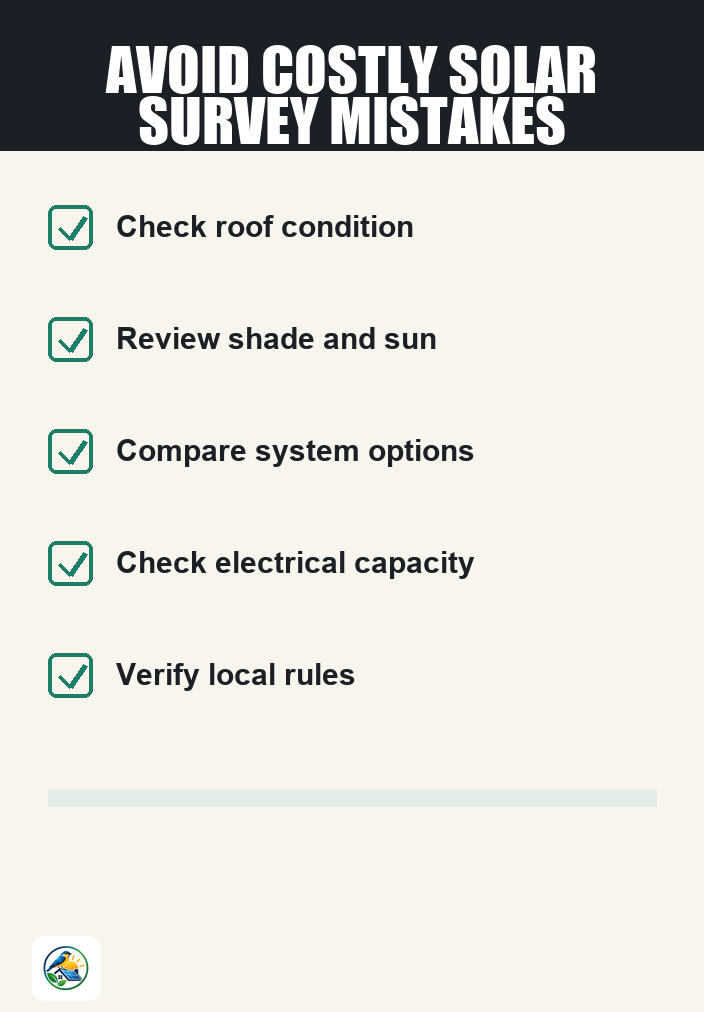
Understanding the Importance of a Solar Site Survey
When considering a residential rooftop solar system, many homeowners might be tempted to skip the solar site survey. After all, it may seem like an unnecessary step, especially if you’re eager to start saving on energy costs. However, bypassing this crucial assessment can lead to significant and costly mistakes that can affect the overall performance of your solar installation. In this article, we’ll explore why a solar site survey is essential and the potential pitfalls of skipping it.
The Role of a Solar Site Survey
A solar site survey is an evaluation conducted by a professional installer to assess your property’s suitability for solar energy. This survey includes a detailed analysis of various factors such as roof condition, orientation, shading, and electrical capacity. Skipping this step can lead to miscalculations and overlooked issues that may result in inefficient system performance or increased costs down the line.
Key Components of a Solar Site Survey
During the survey, several critical aspects are examined:
- Roof Condition: A thorough inspection of your roof’s structural integrity is necessary to ensure it can support solar panels.
- Orientation and Tilt: The direction and angle of your roof can significantly impact the amount of sunlight your solar panels will receive.
- Shading Analysis: Trees, buildings, or other obstructions that cast shadows on your roof can reduce solar energy production.
- Electrical System Review: An assessment of your current electrical system is necessary to determine if upgrades are needed to accommodate solar energy.
- Regulatory Compliance: Understanding local zoning laws, permitting requirements, and utility policies is essential for a successful installation.
Potential Costly Mistakes from Skipping the Survey
Not conducting a solar site survey may seem like a way to save time and money, but the risks can outweigh the benefits. Here are some potential mistakes homeowners might face:
1. Inaccurate System Sizing
Without a proper assessment, your installer may miscalculate the number of panels needed for your energy needs. This can lead to:
- Underestimating your energy requirements, resulting in insufficient solar energy production.
- Overestimating needs, leading to unnecessary costs for additional panels that may not be needed.
2. Structural Issues
If your roof is not in good condition, installing solar panels could lead to further damage. Skipping a survey may result in:
- Installing panels on a roof that requires repairs or replacement, increasing overall costs.
- Potential safety hazards if the roof cannot support the weight of the solar system.
3. Shading Problems
Failing to assess shading can drastically reduce the performance of your solar panels. This might mean:
- Reduced energy production, negating any potential savings on your energy bills.
- The need for additional equipment, such as micro-inverters or optimizers, which can increase installation costs.
4. Electrical Upgrades
Your current electrical system might not be compatible with a solar installation. Skipping the survey could lead to:
- Unforeseen costs for electrical upgrades that could have been identified beforehand.
- Delays in installation due to needed upgrades that were not factored into the initial plan.
Assessing Local Regulations and Utility Policies
Each locality has its own rules regarding solar installations, including permitting and interconnection with the grid. A professional installer can help navigate these regulations, and skipping the survey could mean:
- Running into legal issues or fines if your installation does not comply with local laws.
- Complications in connecting your solar system to the grid, which could delay or prevent your system from functioning.
Evaluating Your Options
Before you make a decision about solar installation, consider the following:
- Compare Quotes: Obtain itemized quotes from multiple qualified installers who conduct thorough site surveys.
- Ask Questions: Inquire about how each installer conducts their surveys and what factors they consider.
- Verify Credentials: Ensure that the installers you are considering are experienced and have a solid reputation in your area.
Next Steps for Homeowners
While the prospect of installing a solar system can be exciting, it’s essential to approach the process carefully. Skipping a solar site survey may save time initially, but the potential for costly mistakes makes it a risky choice. To ensure you make an informed decision, follow these steps:
- Schedule a comprehensive solar site survey with a reputable installer.
- Review the findings and discuss any necessary repairs or upgrades to your roof or electrical system.
- Compare itemized quotes from different installers to understand your options better.
By taking the time to conduct a thorough solar site survey, you can avoid pitfalls and ensure that your investment in solar energy is a sound one.


















