
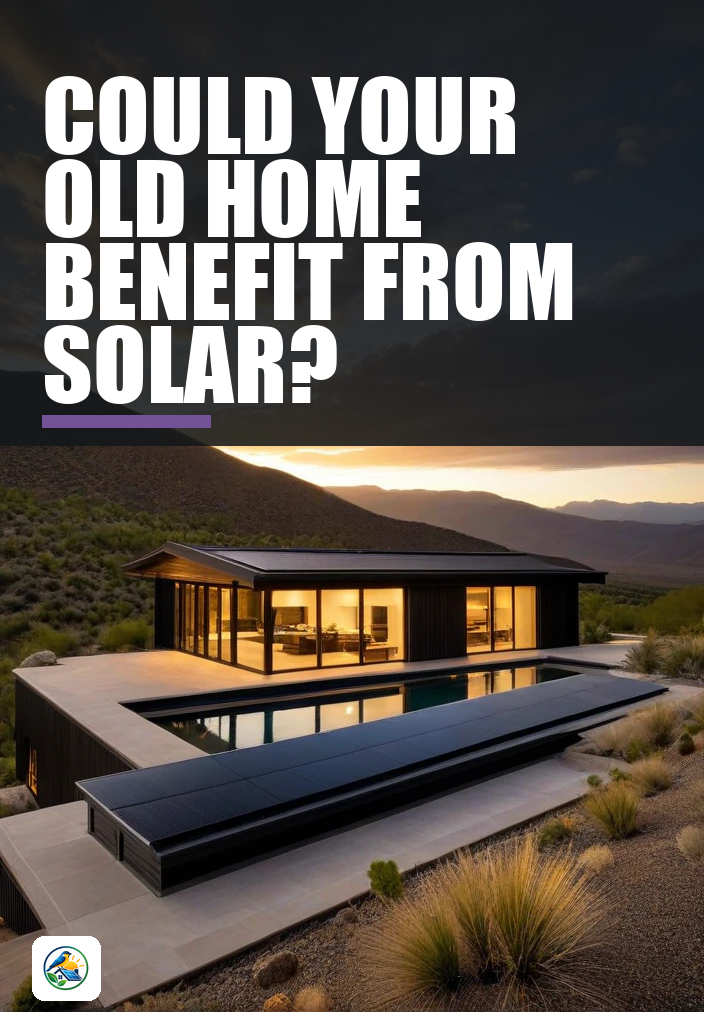
Understanding the Benefits of Solar Panels for Older Homes
As energy costs continue to rise and environmental concerns deepen, many homeowners are considering solar panels as a viable energy solution. This is particularly true for owners of older homes who might be contemplating renovations or upgrades. Solar panels can offer several advantages to these homeowners, but it’s essential to understand the nuances involved before making a decision.
Why Solar Panels Make Sense for Older Homes
Older homes often come with unique characteristics and challenges, but they also have distinct benefits when it comes to solar energy. Here are several reasons why installing solar panels can be a smart choice:
- Preservation of Historic Charm: Solar technology has evolved significantly, allowing for installations that can blend with various architectural styles without compromising aesthetic appeal.
- Increased Energy Efficiency: By pairing solar panels with energy efficiency upgrades, homeowners can significantly reduce energy consumption, enhancing comfort and lowering utility bills.
- Potential for Increased Property Value: While solar panels may not guarantee an increase in home value, energy-efficient homes often attract buyers in today’s market.
Assessing Your Home’s Suitability for Solar
Before moving forward with a solar installation, it’s critical to evaluate your home’s specific characteristics. Here are some factors to consider:
Roof Condition and Orientation
The condition of your roof is paramount. Solar panels need a sturdy, reliable surface for installation. If your roof is old, damaged, or nearing the end of its lifespan, you might want to address this before installing solar panels. Additionally, the orientation of your roof plays a significant role in solar efficiency. South-facing roofs typically receive more sunlight, while shaded or north-facing roofs may produce less energy.
Electrical Upgrades
Older homes may have outdated electrical systems that require upgrading to accommodate solar energy. A professional installer can help assess your system and recommend any necessary upgrades to ensure compatibility with a new solar setup.
Local Climate Considerations
Your local climate impacts solar panel performance. Homes in sunny regions will generally see better returns from solar installation than those in cloudy areas. However, advancements in solar technology have improved performance in less-than-ideal conditions. Assess your location’s average sunlight exposure and seasonal variations when considering solar options.
Exploring Solar Options: Grid-Tied vs. Battery Backup
When considering solar panels, you’ll encounter different system types, primarily grid-tied systems and battery backup options. Understanding the differences can help you choose the right solution for your home.
Grid-Tied Systems
Grid-tied solar systems are connected to the local electricity grid. This type of system allows homeowners to draw from the grid when solar production is low, such as during the night or on cloudy days. Additionally, surplus energy produced during sunny periods can often be sold back to the grid through net metering agreements. However, it’s crucial to confirm local utility rules regarding net metering, as these can vary significantly.
Battery Backup Systems
A battery backup system allows you to store excess energy produced during the day for use at night or during power outages. This can be particularly beneficial for older homes that may experience power reliability issues. However, battery systems can add to the overall cost and complexity of the installation. It’s essential to weigh the benefits against the initial investment and long-term maintenance considerations.
Potential Drawbacks and Considerations
While there are numerous advantages to installing solar panels, homeowners should also consider potential drawbacks:
- Initial Costs: The upfront costs of purchasing and installing solar panels can be significant. It’s essential to evaluate financing options and long-term savings potential.
- Permitting and Regulations: Older homes may be subject to local regulations or historical preservation guidelines that could complicate installation.
- Maintenance Requirements: While solar panels generally require little maintenance, older roofs may need more frequent inspections and repairs, which can add to the overall cost.
Next Steps: Getting Professional Quotes
If you’re considering solar panels for your older home, the next step is to gather quotes from qualified solar installers. Look for professionals who have experience working with older homes and can provide itemized estimates that detail the costs associated with equipment, installation, and potential upgrades. This will help you compare options and make an informed decision based on your home’s unique characteristics and your energy needs.
Remember to verify current information regarding local incentives, tax credits, and utility policies, as these can change and vary by location. A comprehensive understanding of your options will empower you to make the best choice for your home and your energy future.


















