
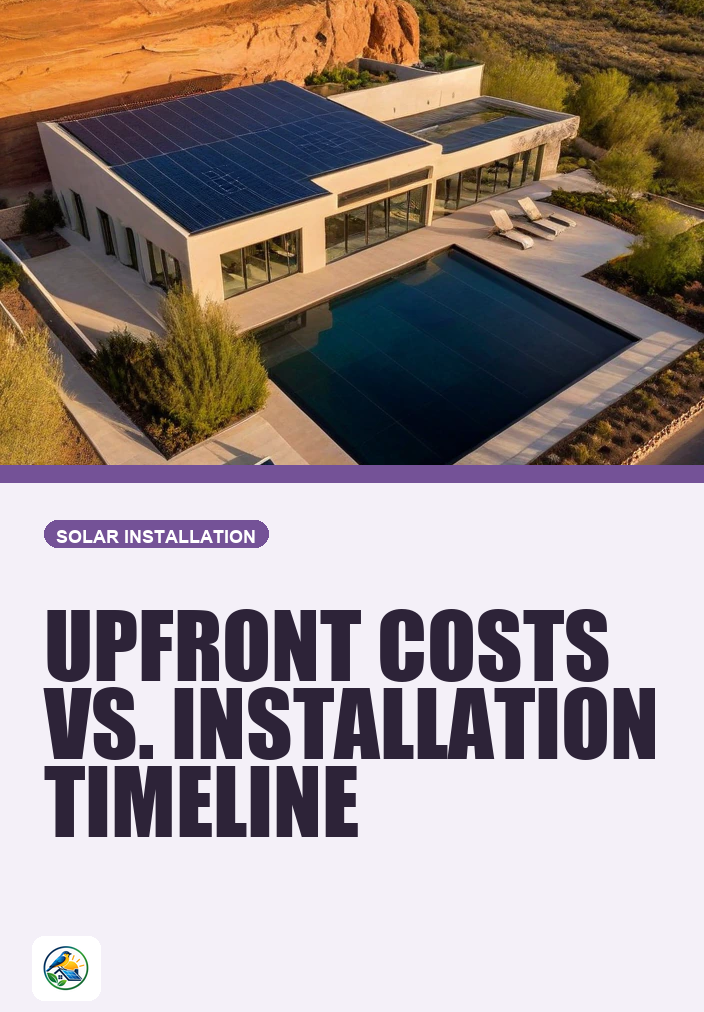
Understanding the Broader Implications of Your Home Solar Installation Timeline
When considering a solar installation, many homeowners focus on the upfront costs. While it’s certainly important to understand the financial implications of purchasing a solar system, the timeline for installation and the various factors influencing it extend far beyond that initial investment. Your solar journey involves multiple stages—planning, permitting, installation, and potential interconnection with your local utility—which can all affect how quickly you can start reaping the benefits of solar energy.
Why the Installation Timeline Matters
Understanding the complete timeline of a solar installation can help you make informed decisions. Delays or unexpected challenges can affect your energy savings and overall satisfaction with the system. Here are some key aspects to consider:
- Permitting Delays: The permitting process can vary significantly by location. Some municipalities have streamlined processes, while others may require extensive documentation and time to approve your installation.
- Utility Interconnection: After installation, your system needs to be connected to the grid. This step can take time and may require additional inspections.
- Homeowner Readiness: If your roof needs repairs or upgrades, or if you need to enhance your electrical system, those steps will add time and complexity to your project.
Key Considerations Beyond Upfront Costs
When evaluating your solar installation timeline, consider the following factors that can influence both costs and your overall experience:
1. Roof Condition and Orientation
Your roof plays a critical role in the feasibility and efficiency of a solar installation. Factors include:
- Condition: An aging roof may require repairs or even replacement before solar panels can be installed.
- Orientation: Roofs facing south generally receive the most sunlight, maximizing energy production. East or west-facing roofs can still work well, but may not produce as much energy.
- Shade: Nearby trees or buildings can cast shadows on your roof, reducing the effectiveness of your solar system.
2. Energy Needs and System Sizing
Understanding your energy needs is crucial for determining the size of the solar system you require. Consider your:
- Current Energy Consumption: Review your utility bills to understand your energy usage patterns.
- Future Needs: If you plan to add electric vehicles or expand your family, factor in those potential increases in energy consumption.
3. Battery Backup and Energy Storage
Adding a battery to your solar system can enhance its value, but it also complicates the installation process. Consider the following:
- Cost and Space: Batteries require additional investment and space, which can affect your installation timeline.
- Permitting: Battery systems may have their own permitting requirements that could lengthen the overall timeline.
4. Local Incentives and Regulations
Incentives can significantly impact your financial decision to go solar, but they can also affect the installation timeline:
- State and Local Incentives: Check for available rebates or incentives in your area. These can influence when you choose to install.
- Utility Regulations: Your local utility may have specific requirements for solar installations that can affect the timeline.
5. Professional Installer Considerations
Choosing a qualified installer can make a significant difference in your solar experience:
- Experience and Reputation: Research installers with a good track record in your area.
- Itemized Quotes: A detailed quote will help you understand what you’re paying for and why, including timelines for each phase of the project.
Practical Steps to Optimize Your Solar Installation Timeline
Here are some actionable steps to help you prepare for a smoother solar installation journey:
- Assess Your Roof: Consult a roofing professional to ensure your roof is in good condition and suitable for solar panels.
- Gather Energy Data: Collect at least 12 months of energy bills to help installers size your system appropriately.
- Research Local Rules: Familiarize yourself with local permitting processes and utility regulations that could impact your timeline.
- Compare Installer Quotes: Obtain multiple detailed quotes from qualified installers to ensure you understand the full scope of work and associated timelines.
Conclusion: Look Beyond the Costs
As you consider a solar installation for your home, remember that the timeline involves more than just the upfront costs. By understanding the various factors that can influence both the timeline and your overall experience, you can make a more informed decision that aligns with your energy needs and home situation. Take the time to compare quotes from qualified installers, ask questions, and ensure that you’re prepared for the journey ahead. Solar energy can be a rewarding investment, but careful planning is essential.
Next Steps for Homeowners
To move forward, consider gathering itemized quotes from multiple qualified solar installers. This will help you understand the costs, timelines, and logistics involved in your solar installation. Don’t hesitate to ask questions and clarify any uncertainties you may have before making your final decision.


















