
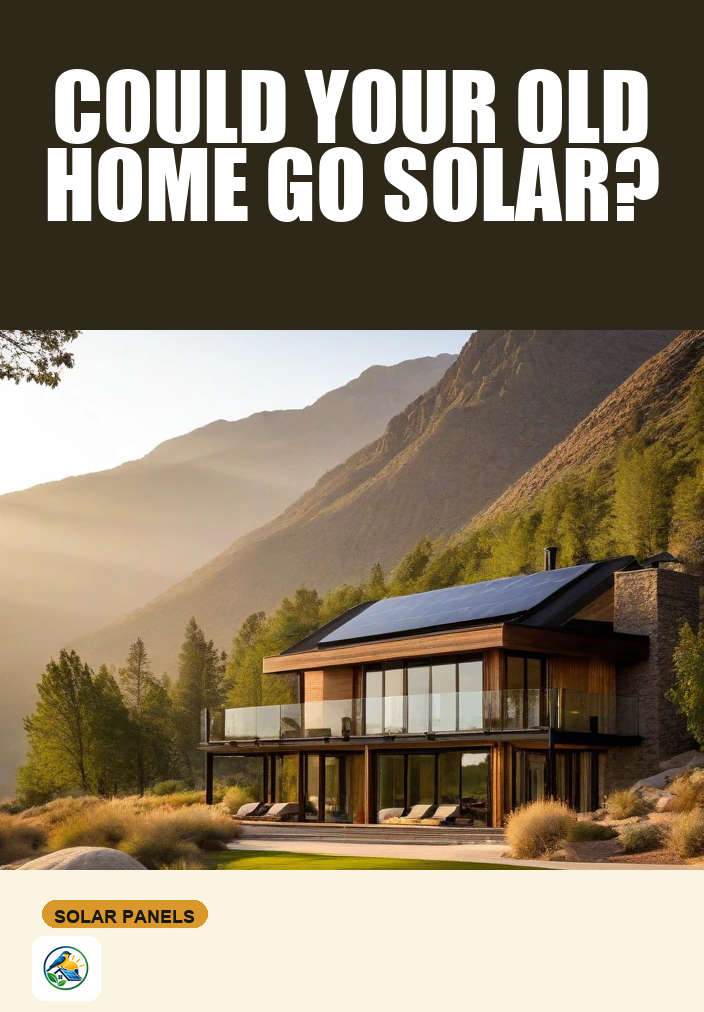
Understanding the Benefits of Solar Panels for Older Homes
If you own an older home, you might believe that solar panels are not a viable option for you. However, there are several compelling reasons to consider solar energy for your vintage abode. While many homeowners are often drawn to the environmental benefits of solar, older homes can also enjoy significant advantages in energy efficiency, cost savings, and energy independence. In this article, we’ll explore how solar panels can benefit your older home and what considerations to keep in mind.
Energy Efficiency in Older Homes
Older homes often come with unique charm and character but may also suffer from outdated insulation, drafty windows, or inefficient heating and cooling systems. These factors can lead to higher energy consumption, making solar panels a particularly attractive option. By generating your own electricity, you can offset some of these energy inefficiencies.
Assessing Energy Needs
Before diving into solar installation, it’s essential to evaluate your home’s energy needs. Here are some steps to follow:
- Conduct an Energy Audit: A professional energy audit can provide insights into your home’s energy consumption and identify areas for improvement.
- Review Your Utility Bills: Look at your electricity bills over the past year to understand your average usage and peak times.
- Consider Upgrades: Before installing solar, it might be beneficial to address any energy inefficiencies, such as upgrading insulation or windows.
Solar Panel Options for Older Roofs
One of the common concerns for homeowners with older houses is the condition of their roofs. While an aging roof may seem like a barrier to solar panel installation, there are several options to consider:
- Roof Replacement: If your roof is nearing the end of its lifespan, consider replacing it before installing solar panels. This can ensure a longer lifespan for both the roof and the solar system.
- Mounting Options: Some solar panels can be installed using specialized mounting systems that accommodate various roof types, including slate or tile.
- Ground-Mounted Systems: If your roof isn’t suitable for solar, ground-mounted systems can be a viable alternative, provided you have suitable yard space.
Shade and Orientation Considerations
The positioning of your older home can greatly influence the effectiveness of solar panels. Factors like surrounding trees, buildings, and roof orientation should be assessed to determine potential shading issues. Here’s what to think about:
- Roof Orientation: South-facing roofs typically receive the most sunlight, but east and west-facing roofs can also be effective.
- Shading Analysis: Use tools or consult professionals to perform a shading analysis to determine how much sunlight your roof receives throughout the day.
- Tree Trimming: If trees are casting shade on your roof, consider whether trimming or removing them is an option.
Battery Storage: Energy Independence for Older Homes
Integrating a battery storage system can enhance the benefits of solar panels, especially for older homes that may rely on electricity for heating or cooling. Here are some points to consider:
- Backup Power: A battery system can provide backup power during outages, which can be particularly valuable in areas prone to storms or power interruptions.
- Time-of-Use Rates: If your utility has time-of-use rates, you can store energy during off-peak hours and use it during peak times to save on costs.
- Energy Independence: Batteries enable you to store excess energy generated during the day for use at night, reducing reliance on the grid.
Financial Considerations and Incentives
While investing in solar panels can be significant, older homes may qualify for various incentives that can help offset costs. However, keep in mind that financial circumstances vary widely:
- Tax Credits and Rebates: Verify any current federal, state, or local incentives for solar installations. These can change frequently and should be researched independently.
- Financing Options: Explore financing options that can spread out the upfront costs over time, making solar more accessible.
- Long-Term Savings: While solar panels typically reduce electricity bills, consult with professionals to understand how this will impact your specific situation.
Potential Drawbacks to Consider
While the benefits of solar may be enticing, it’s crucial to also consider potential drawbacks specific to older homes:
- Roof Condition: A roof in poor condition may require repair or replacement before solar installation.
- Electrical Upgrades: Older homes may need electrical system upgrades to accommodate solar energy systems.
- Permitting and Zoning: Local regulations may affect what type of system is permissible, so be sure to check with your local authorities.
Next Steps for Homeowners
Considering solar for your older home is an excellent step toward energy independence and efficiency. Start by conducting a thorough assessment of your home’s energy needs and roof condition. Next, consult with qualified solar installers to obtain itemized quotes that detail the costs, potential savings, and installation specifics. This will allow you to make an informed decision tailored to your unique situation.
In summary, older homes can indeed benefit from solar panels in ways that may surprise you. By carefully assessing your home’s needs and working with professionals, you can harness the power of solar energy while preserving the charm of your vintage residence.


















