
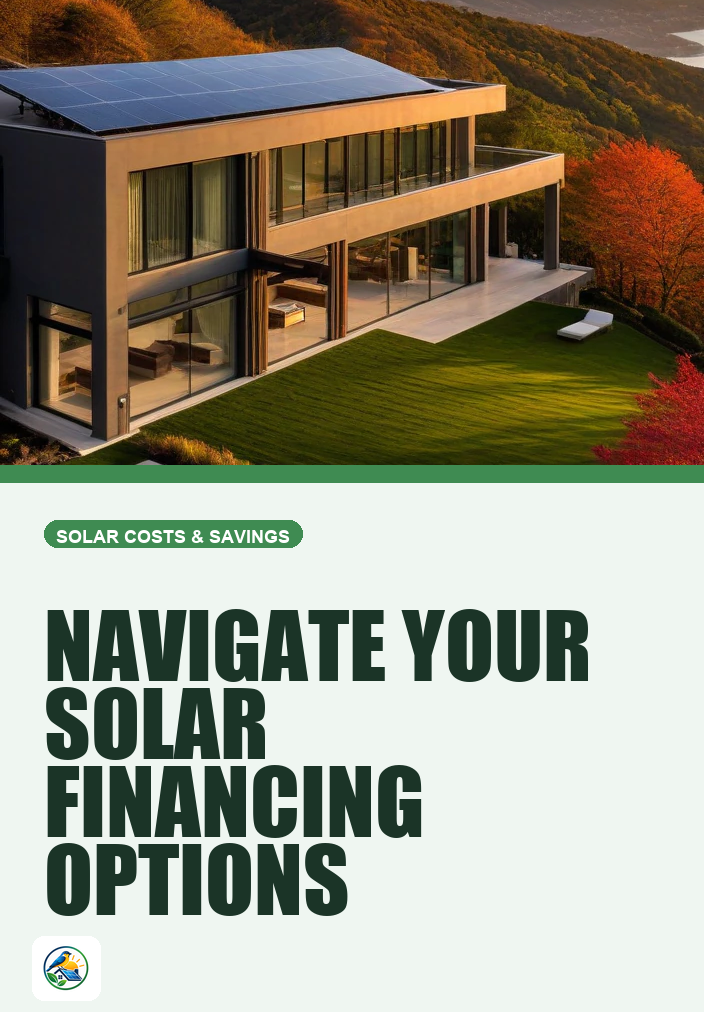
Understanding Your Solar Financing Options
Making the decision to install a solar energy system is significant for any homeowner. If you’re considering this shift towards renewable energy, understanding the various financing options available is essential. Choosing the right financing can significantly impact your overall experience and financial outcome. Here are 11 key questions to help you compare solar financing options effectively.
1. What Types of Financing Are Available?
Homeowners generally have three primary financing options for solar systems:
- Cash Purchase: Pay for the system upfront. This option typically offers the greatest long-term savings but requires substantial initial investment.
- Solar Loans: These loans allow you to finance the system over time. Payments can be structured similarly to a home mortgage or personal loan.
- Leases and Power Purchase Agreements (PPAs): With a lease, you pay a fixed monthly fee to use the system without owning it. In a PPA, you pay for the electricity generated rather than the system itself.
2. What Are the Terms and Conditions of Each Financing Option?
Each financing option comes with its own terms:
- Cash Purchase: No monthly payments, but you must pay the full amount upfront.
- Loans: Look for interest rates, loan terms (usually ranging from 5 to 20 years), and any prepayment penalties.
- Leases/PPAs: Review the length of the contract, payment structures, and any potential escalators in pricing.
3. How Do Interest Rates Affect My Financing?
Interest rates can vary widely based on your credit score and market conditions. Higher rates can significantly increase the total cost of financing over time. Always compare rates from multiple lenders or solar providers. A small difference in interest can add up to significant costs over the life of the loan.
4. Are There Any Upfront Costs or Fees?
Understand all initial costs associated with financing options:
- Cash Purchase: The upfront cost is the total price of the system.
- Loans: You may encounter application fees or closing costs.
- Leases/PPAs: Some may have little to no upfront costs, but check for installation fees or deposits.
5. How Do Incentives Work with Different Financing Options?
Incentives, such as federal tax credits or local rebates, can vary depending on your financing choice. For instance:
- Cash purchases typically allow you to claim the maximum available tax credits directly.
- Loans may also qualify for incentives, but check with the lender on how they handle them.
- Leases and PPAs might limit your eligibility for some incentives, as you do not own the system.
6. What’s the Impact on Property Value?
Installing solar can potentially increase your home’s value, but the extent can depend on your financing choice:
- Cash purchases may offer a clearer increase in value since you own the system outright.
- Loans may or may not reflect in property value, depending on how they are structured.
- Leases and PPAs could complicate the sale process since the new owner would have to assume the contract terms.
7. How Does Maintenance and Insurance Factor In?
Maintenance and insurance responsibilities can differ:
- Cash purchases put the onus of maintenance on you, which can be a cost factor over time.
- For loans, you typically have the same responsibilities as a cash buyer.
- Leases and PPAs often include maintenance in the contract, which can be a significant advantage.
8. What Happens If I Move?
Consider what your financing option means for future moves:
- Cash purchases may require selling the home with the system attached, which can be advantageous.
- Loans may need to be paid off or transferred to the new homeowner.
- Leases and PPAs usually require the new homeowner to assume the lease or PPA, which might deter potential buyers.
9. Are There Any Potential Drawbacks to Consider?
Every financing method has potential downsides:
- Cash purchases tie up your capital in the system.
- Loans can lead to long-term debt, especially if interest rates are high.
- Leases and PPAs may limit your flexibility and could lead to unexpected costs over time.
10. How Do I Compare Quotes Effectively?
When seeking quotes from installers, ensure you compare apples to apples:
- Request itemized quotes that break down system costs, financing options, and all associated fees.
- Inquire about warranties and maintenance plans.
- Ask about the expected lifespan of the system and performance guarantees.
11. When Should I Consult a Professional Installer?
If you’re feeling overwhelmed, it can be beneficial to consult with a professional installer. They can help assess your specific needs, provide tailored quotes, and explain financing options in detail. A qualified installer can also guide you through local incentives and help you understand how they apply to your situation.
Next Steps for Homeowners
As you weigh your solar financing options, take the time to compare itemized quotes from qualified installers in your area. Verify current local utility, installer, and government information to ensure you are making informed decisions. Solar energy can be a valuable investment, but understanding your financing options is key to making the best choice for your home.


















