
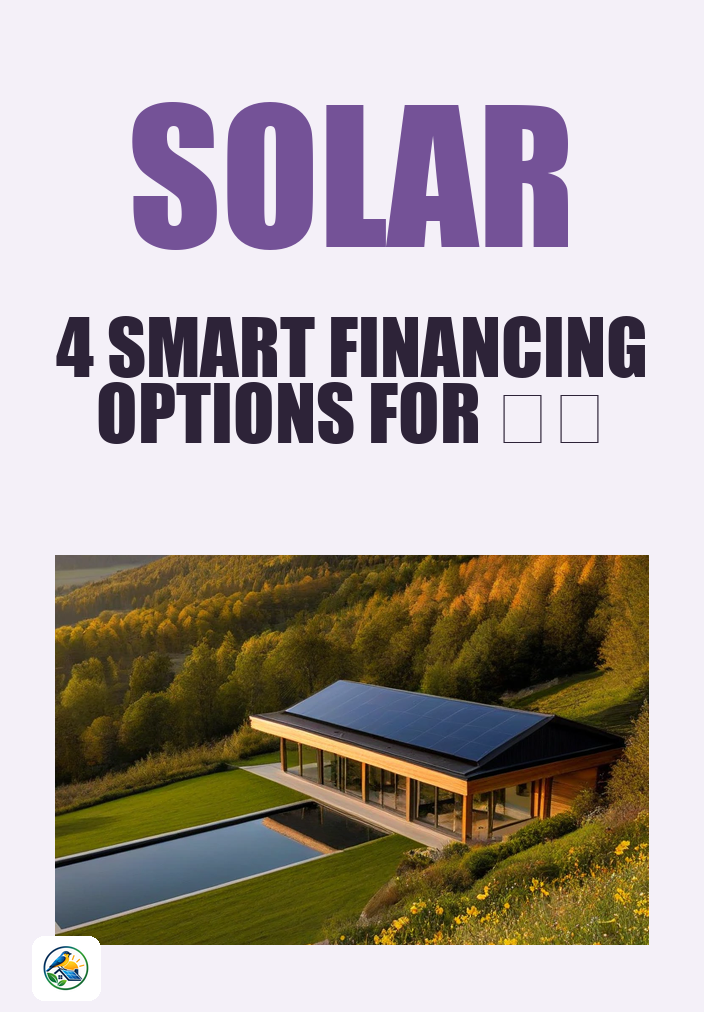
Understanding Your Financing Options for Solar Installation
Installing a solar energy system on your 1500 square foot home can be a significant investment, but it also has the potential to reduce your energy costs and environmental impact. When considering solar, it’s essential to understand the various financing options available and how they may fit your specific needs and financial situation. Here are four effective financing options for installing solar on your home.
1. Cash Purchase
The most straightforward way to finance a solar installation is to pay for it outright in cash. This option allows homeowners to own their solar system outright from day one, eliminating monthly payments and interest costs.
Pros
- No Interest: Without financing, you avoid paying interest, which can significantly reduce the overall cost of your solar system.
- Full Ownership: You own the solar panels and any associated equipment, allowing you to fully benefit from energy savings and potential tax incentives.
- Increased Home Value: A cash purchase can increase your home’s value, as many buyers appreciate homes with solar systems already installed.
Cons
- High Upfront Cost: The initial cost can be a barrier, especially if you do not have sufficient savings.
- Cash Flow Impact: Paying in cash could deplete savings that might be needed for other expenses or emergencies.
2. Solar Loans
Solar loans can help you finance your solar system without the high upfront costs of a cash purchase. These loans allow homeowners to spread the cost of the system over several years, making it more manageable.
Types of Solar Loans
- Secured Loans: These loans may require collateral, such as your home, which could offer lower interest rates.
- Unsecured Loans: These loans do not require collateral but may come with higher interest rates.
Pros
- Lower Upfront Costs: You won’t need to pay the entire cost upfront, helping to make solar more accessible.
- Potential Tax Benefits: You may still qualify for tax incentives, depending on the structure of the loan.
Cons
- Interest Payments: You will incur interest, which can increase the overall cost of the solar system.
- Debt Obligation: You will have monthly payments, which may impact your budget.
3. Power Purchase Agreements (PPAs)
Power Purchase Agreements are another financing option where a third-party developer installs the solar panels on your roof, and you agree to buy the generated electricity at a predetermined rate.
How It Works
In a PPA, you typically pay a lower rate than your utility company charges, and the developer maintains the system. At the end of the contract, you usually have options to purchase the system or renew the agreement.
Pros
- No Upfront Costs: You don’t need to pay for the system’s installation upfront.
- Maintenance-Free: The developer is responsible for maintenance and repairs, reducing your responsibilities as a homeowner.
Cons
- Long-Term Commitment: You may be tied to a long-term contract, which can limit your flexibility.
- Potential Price Increases: Depending on the agreement, electricity rates may increase over time.
4. Leases
Leasing options allow homeowners to rent solar equipment from a provider. Instead of purchasing the system, you pay a fixed monthly fee for using the solar panels.
Pros
- No Upfront Investment: Like PPAs, leases typically require no upfront payment, making solar more accessible.
- Maintenance Included: The solar company usually handles maintenance, repairs, and monitoring.
Cons
- Less Financial Incentive: Since you don’t own the system, you may not qualify for tax credits or incentives.
- Monthly Payments: While payments may be lower than your utility bill, you are still incurring costs.
Key Considerations for Homeowners
Before deciding on a financing option, consider the following:
- Roof Condition: Ensure your roof is in good condition and adequately oriented for solar energy collection.
- Shading: Analyze any potential shading from trees or buildings that may affect energy production.
- Local Utility Policies: Research local utility rules regarding net metering and interconnection, as these can impact potential savings.
- Future Plans: Consider any future plans for your home, such as selling or renovating, which might influence your financing choice.
Next Steps
As you explore these financing options, it’s crucial to gather detailed quotes from qualified solar installers. An itemized quote will help you understand the total costs, available incentives, and financing terms. Be sure to verify any current local incentives and tax credits, as they can vary widely by location and may change over time.
Choosing the right financing option is an important step in your solar journey. By understanding each option’s pros and cons, you can make a more informed decision that aligns with your financial situation and energy needs.


















