
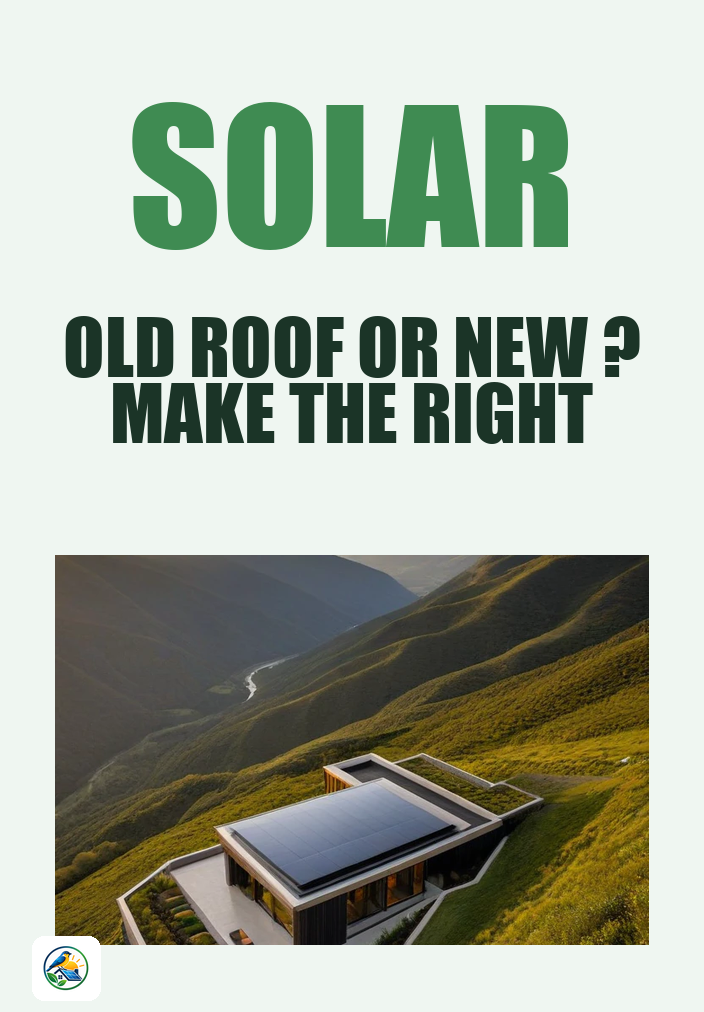
Understanding Your Roof’s Suitability for Solar Panel Installation
When considering installing solar panels, homeowners with older roofs face unique challenges. While solar energy can be a great addition to any home, the condition and characteristics of your roof are critical factors in determining whether you should proceed. Here are eight key considerations to help you assess whether your older roof is suitable for solar panel installation.
1. Roof Condition: Assessing Structural Integrity
The first thing to consider is the structural integrity of your roof. An older roof may have issues such as leaks, sagging, or damaged shingles, which could compromise the installation of solar panels. Before proceeding, consider:
- Inspection: Hire a professional to conduct a thorough inspection of your roof.
- Repairs: If repairs are needed, it’s better to address them before solar installation, as this can save you money in the long run and ensure a stable mounting surface.
2. Roof Age: Planning for Longevity
How old is your roof? If it’s nearing the end of its expected lifespan, it may be wise to replace it before installing solar panels. Most roofing materials last between 20-30 years. Consider the following:
- Replacement Costs: Compare the cost of replacing your roof versus installing solar panels now and needing to remove them later for replacement.
- Material Considerations: Different roofing materials have different lifespans and might affect installation methods.
3. Roof Type: Understanding Different Styles
The type of roof on your home can influence both the installation process and the efficiency of your solar panels. Common roof types include:
- Flat Roofs: These require different mounting systems and may need additional ballast.
- Gabled Roofs: Offer good solar exposure but require consideration of angles and shading.
- Metal Roofs: Generally easier to install on, as they can accommodate various mounting systems.
4. Orientation and Pitch: Maximizing Solar Exposure
The orientation and pitch of your roof play a significant role in the efficiency of your solar system. Ideally, solar panels should face south for maximum sunlight exposure. Here are some considerations:
- Orientation: Determine if your roof faces south, east, west, or north, and consider how that impacts energy production.
- Pitch: A roof with a steeper pitch may require specialized mounting solutions and can complicate installation.
5. Shading: Evaluating Potential Obstructions
Shading from trees, buildings, or other structures can significantly reduce the efficiency of your solar panels. Consider the following:
- Shade Analysis: Conduct a shade analysis to determine how much sunlight your panels will receive throughout the day.
- Mitigation Options: If there’s significant shading, consider trimming trees or installing panels in a different location.
6. Electrical System Upgrades: Ensuring Compatibility
Older homes may have outdated electrical systems that could require upgrades before solar panel installation. Assess your electrical system for:
- Panel Capacity: Ensure your system can handle the additional load from solar panels.
- Wiring Condition: Check for any outdated wiring that may need replacement to accommodate the new system.
7. Local Regulations and Permitting: Navigating Bureaucracy
Every locality has different rules regarding solar panel installations, especially for older homes. Before proceeding, consider:
- Permitting Process: Research the permitting process in your area; some regions have specific requirements for older roofs.
- HOA Rules: If your home is in a neighborhood with a homeowners association, check their rules regarding solar installations.
8. Future Plans: Considering Longevity and Adaptability
Finally, think about your long-term plans for your home. If you plan to stay for many years, investing in solar panels may be worthwhile. However, if you plan to move soon, consider the implications:
- Return on Investment: Weigh the potential benefits against the costs, particularly if you may not see long-term savings.
- Transferability: Understand how solar panels could affect property value and appeal to future buyers.
Next Steps: Getting Professional Quotes
After considering these eight key factors, it’s time to take the next step. Reach out to qualified solar installers for professional quotes. Be sure to request itemized estimates that break down costs for installation, equipment, and any necessary upgrades. This will help you make an informed decision tailored to your home’s unique circumstances.
Remember to verify current local utility, installer, government, or tax information to ensure you have the most accurate and relevant details for your solar installation journey.


















