
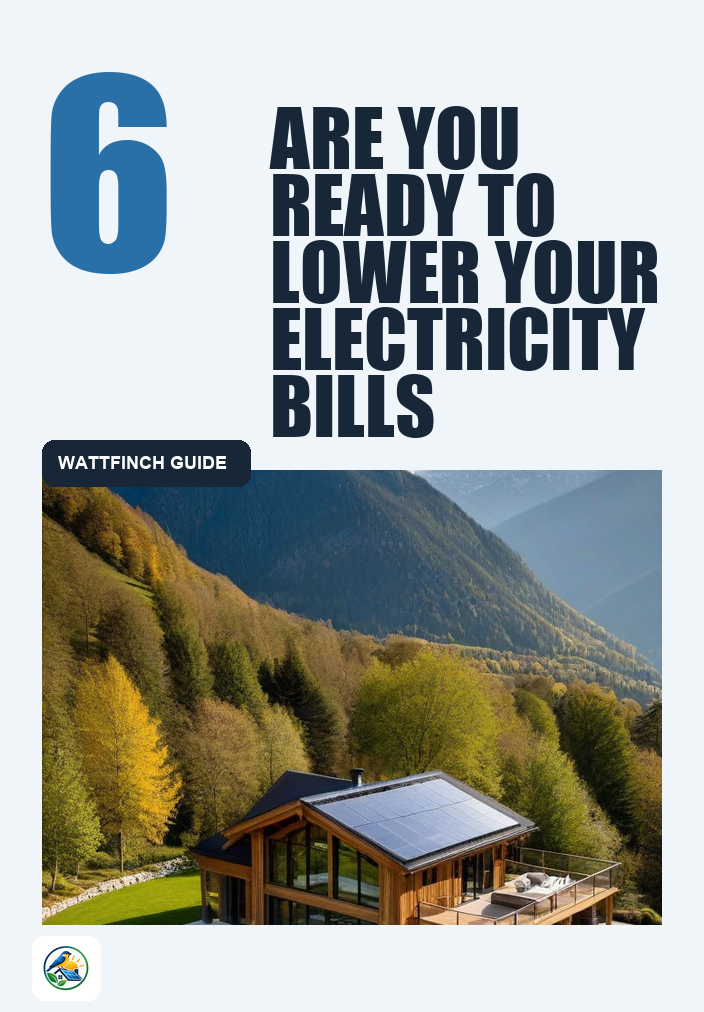
Understanding Your High Electricity Bills: The First Step Towards Solar
If you’re a U.S. homeowner facing high electricity bills, installing a solar energy system can sound like an appealing solution. However, before you rush into a purchase, it’s essential to understand that solar energy systems require careful planning and consideration. Here are eight key preparations to help you make informed decisions regarding a solar installation for your home.
1. Analyze Your Current Energy Usage
The first step in your solar journey is to closely examine your current energy consumption. Look at your recent electricity bills to identify your average monthly usage in kilowatt-hours (kWh). This data will serve as the foundation for determining the size of the solar system you may need.
- Gather at least 12 months of electricity bills.
- Identify seasonal variations in usage, such as higher consumption in summer due to air conditioning.
- Note any significant changes in your household that might affect energy use, like new appliances or changes in family size.
2. Assess Your Roof’s Suitability for Solar Panels
The next step is to evaluate your roof. Not all roofs are created equal when it comes to solar installations. Consider the following:
- Orientation: South-facing roofs generally capture the most sunlight, but east and west orientations can also be effective.
- Shade: Trees, buildings, or other obstructions can limit solar access. If shade is an issue, you may need to consider panel placement or trimming trees.
- Condition: Ensure your roof is in good condition, as any necessary repairs should be done before installation.
- Space: Determine if you have enough space for the number of panels you might need.
3. Understand Local Utility Policies and Incentives
Before proceeding, familiarize yourself with your local utility’s policies regarding solar energy. This includes net metering rules, which can affect how much you are compensated for excess energy your system produces. Additionally, research state and federal incentives that may be available:
- Check for any solar tax credits, rebates, or grants.
- Understand the specifics of net metering in your area.
- Investigate any local solar incentives that might apply.
Because these details can vary significantly by location, be sure to verify the most current information from local utility providers and government resources.
4. Evaluate Different Solar System Options
When considering solar, you have several system configurations to choose from. Here are the main types:
- Grid-Tied Systems: These connect directly to the utility grid, allowing you to draw power when your system isn’t producing enough energy.
- Battery Backup Systems: These store excess energy for use during outages or when solar production is low.
- Off-Grid Systems: These are completely independent of the utility grid, requiring larger battery storage and often more upfront investment.
Each option has its pros and cons, so consider your energy needs, budget, and whether you want to remain connected to the grid.
5. Consider Your Financing Options
Solar installations can represent a significant upfront investment. Understanding your financing options is crucial. Common methods include:
- Purchasing: Paying for the system outright may offer the best long-term savings.
- Loans: Many lenders offer loans specifically for solar installations, allowing for manageable monthly payments.
- Leasing: Some companies offer lease agreements where you pay for the energy produced rather than the system itself.
Each financing option comes with different implications for ownership, savings, and incentives, so weigh these carefully.
6. Get Multiple Quotes from Qualified Installers
When you’re ready to proceed, obtaining multiple quotes from qualified solar installers is essential. Different contractors may offer varying prices, equipment, and installation timelines. Here’s how to approach this:
- Research local solar companies and check their reviews.
- Request detailed, itemized quotes that explain all costs, including installation, equipment, and any additional services.
- Ask about warranties and post-installation support.
Having multiple quotes will help you make an informed choice and potentially negotiate better terms.
7. Plan for Permitting and Interconnection
Installing a solar system often requires permits from your local government or homeowners’ association. Additionally, if you are connecting to the grid, your utility company will have interconnection requirements. Be prepared to:
- Submit permit applications and wait for approvals.
- Coordinate with your installer to ensure compliance with local codes.
- Understand any requirements your utility may have for connecting your system to the grid.
8. Prepare for Maintenance and Upkeep
While solar systems are generally low-maintenance, they do require some level of upkeep. Consider the following:
- Regularly inspect your panels for dirt, debris, or damage.
- Understand the warranty terms and what maintenance is covered.
- Know when to call a professional for maintenance or repairs.
Planning for maintenance will help ensure your solar system operates efficiently over its lifespan.
Next Steps: Making Solar Work for You
High electricity bills can be a significant burden, and solar energy may provide a viable solution for your home. By following these preparation steps, you can approach the installation process with confidence and clarity.
As you move forward, remember to compare itemized quotes from qualified installers and verify the latest information on local incentives and utility policies. Taking these steps will help you ensure that your solar investment aligns with your energy needs and financial goals.


















