
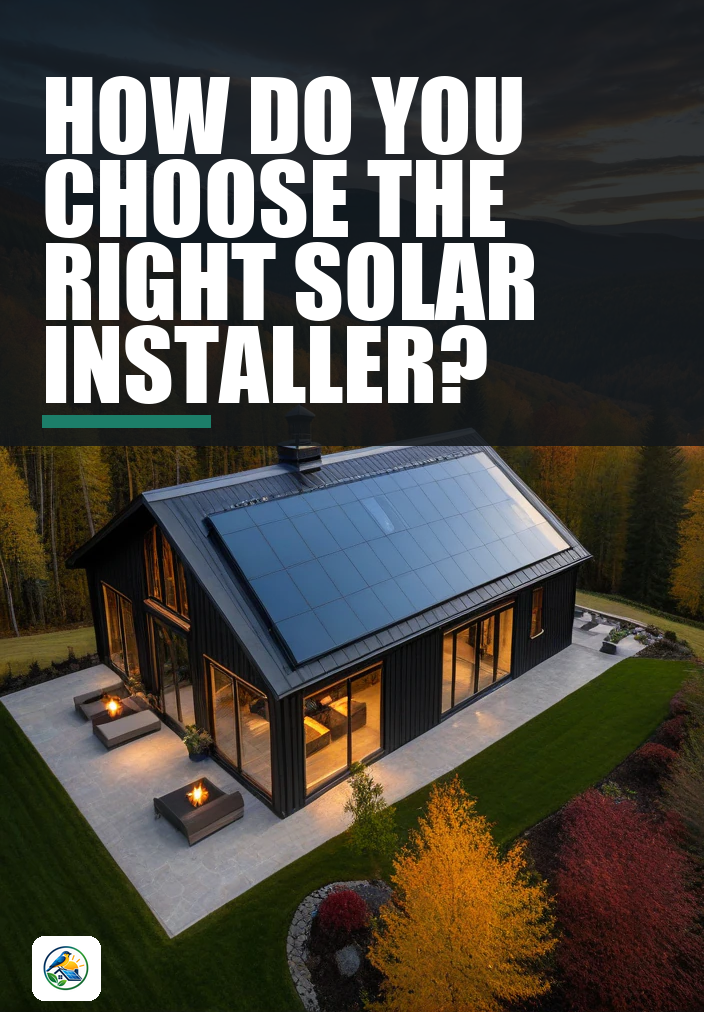
What You Need to Know to Avoid Mistakes When Choosing a Solar Installer
Choosing the right solar installer is a critical step for homeowners considering a residential rooftop solar system. With various options available, it’s essential to navigate the decision-making process carefully to avoid costly mistakes. This article will guide you through the key considerations and steps to ensure you select a qualified installer who meets your needs.
Understanding Your Solar Options
Before diving into the selection of an installer, it’s important to understand the types of solar systems available. The most common options include:
- Grid-Tied Systems: These systems are connected to the local electricity grid and rely on it for power when solar production is low. They often benefit from net metering, which allows homeowners to receive credits for excess energy sent back to the grid.
- Battery Backup Systems: These setups include a battery that stores excess energy generated during the day for use at night or during outages. They provide more energy independence but often come with higher upfront costs.
- Off-Grid Systems: These systems are entirely independent of the grid, relying solely on solar generation and battery storage. They are ideal for remote locations but require careful planning and higher investment.
Understanding these options will help you communicate your needs to potential installers and understand their recommendations.
Key Considerations When Choosing an Installer
When evaluating solar installers, consider the following factors to ensure you make an informed choice:
1. Experience and Reputation
Look for installers with a solid track record in your area. Research their experience with similar projects, and read customer reviews to gauge satisfaction levels. An installer with a good reputation is more likely to provide quality service and support.
2. Licensing and Certifications
Verify that the installer holds the necessary licenses and certifications. This may include state licensing and certifications from organizations like the North American Board of Certified Energy Practitioners (NABCEP). These credentials indicate a commitment to quality and safety standards.
3. Insurance Coverage
Ensure that the installer has adequate insurance coverage, including liability and workers’ compensation. This protects you from potential liabilities during the installation process.
4. Warranty and Maintenance Offerings
Inquire about the warranties offered for both the solar panels and the installation work. A good warranty reflects the installer’s confidence in their products and services. Additionally, ask about maintenance options and how they handle service calls.
5. Customization and Design Approach
Every home is different, and a one-size-fits-all approach may not be suitable for your specific needs. Look for installers that offer custom assessments and designs based on your roof’s characteristics, energy needs, and any shading issues.
6. Transparent Pricing and Financing Options
Request itemized quotes from multiple installers to compare pricing. Ensure that the quotes detail all costs, including equipment, installation, permits, and any additional fees. Additionally, inquire about financing options and whether they provide assistance navigating available incentives.
Common Mistakes to Avoid
When selecting a solar installer, homeowners often make some common errors. Recognizing these pitfalls can help you avoid them:
- Rushing the Decision: Take your time to research and compare different installers. Rushing can lead to overlooking critical details.
- Ignoring the Fine Print: Read all contracts thoroughly. Pay attention to terms regarding warranties, maintenance, and cancellation policies.
- Focusing Solely on Price: While cost is an important factor, it should not be the only consideration. Quality of materials, installation, and service are equally important.
- Neglecting Local Regulations: Be aware of permitting and interconnection requirements in your area. An experienced installer should help you navigate these regulations.
- Forgetting About Long-Term Plans: Consider your long-term energy goals and how they align with the chosen system. If you plan to expand or change your energy usage, choose a system that can adapt.
When to Get a Professional Installer Quote
Obtaining quotes from professional installers is crucial when you have a good understanding of your energy needs and system preferences. A detailed quote from a qualified installer will help you make an informed decision based on:
- Your home’s energy consumption and roof characteristics.
- The type of solar system that fits your needs (grid-tied, battery backup, or off-grid).
- Potential financing options and any incentives you may qualify for.
Next Steps: Comparing Quotes and Making a Decision
After gathering quotes from multiple installers, take the time to compare them side by side. Look for differences in pricing, equipment offered, and warranties. This comparison will help you identify the best option for your home.
As you evaluate your options, remember to verify all current local utility, installer, government, and tax information to ensure you’re making the best decision for your situation. Take your time, ask questions, and choose an installer who aligns with your goals and values.
Choosing the right solar installer can significantly impact your system’s performance and your overall satisfaction. By following these guidelines, you’ll be better prepared to make a wise investment in your home’s energy future.


















