Understanding Your Options: Solar Batteries vs. Generators
When considering a solar energy system for your home, one of the most significant decisions you’ll face involves the choice between solar batteries and generators. Both options provide backup power during outages but differ in their functionality, cost implications, and suitability for different homeowner needs. This article will help you navigate these choices and understand the financial and practical implications of each option.
Solar Batteries: Power Storage for Your Home
Solar batteries store excess energy generated by your solar panels for later use. This stored energy can power your home during the night or during power outages, providing a reliable energy source when you need it most.
Cost Implications of Solar Batteries
The cost of solar batteries can vary significantly based on several factors, including battery type, capacity, installation, and any necessary equipment like inverters. Here are some cost considerations:
- Initial Purchase and Installation: The upfront cost can be substantial. Batteries typically come with installation fees, which can vary based on your location and the complexity of the installation.
- Maintenance: While solar batteries generally require minimal maintenance, some may need periodic checks or updates, which can incur additional costs over time.
- Life Expectancy: Most batteries have a lifespan of 5 to 15 years, depending on the technology used. This limited lifespan means you might need to budget for replacement costs down the line.
- Incentives: Depending on your location, there may be state or local incentives available for battery storage systems. Always verify current incentives with local authorities.
Advantages of Solar Batteries
- Energy Independence: Batteries allow you to store solar energy for later use, reducing your reliance on the grid.
- Seamless Transition During Outages: When the grid goes down, battery systems can automatically provide power to your home, enhancing your comfort and security.
- Environmental Impact: Using stored solar energy reduces your carbon footprint and contributes to a cleaner environment.
Generators: Backup Power for Emergencies
Generators provide an alternative source of power when the grid fails. They can run on various fuels, including gasoline, propane, or diesel, and are typically used for short-term power needs during outages.
Cost Implications of Generators
The costs associated with generators can also vary widely based on several factors:
- Initial Cost: Generators can range from a few hundred to several thousand dollars, depending on their capacity and type. Installation costs can also add to this initial investment.
- Fuel Costs: Generators require fuel to operate, which can lead to ongoing costs, especially during extended outages.
- Maintenance: Regular maintenance is crucial for generators, including oil changes, battery replacements, and fuel inspections, which can add to the overall cost.
- Operational Lifespan: While generators can last for many years with proper care, they can be less efficient over time, leading to higher fuel costs and potential repairs.
Advantages of Generators
- Instant Power Supply: Generators can provide power almost immediately after an outage, ensuring essential appliances remain operational.
- Versatility: They can power a range of devices and systems, from essential lights and refrigerators to larger appliances.
- Lower Upfront Cost: In many cases, the initial investment for a generator is lower than that for solar batteries, making it accessible for more homeowners.
Comparing Solar Batteries and Generators: What to Consider
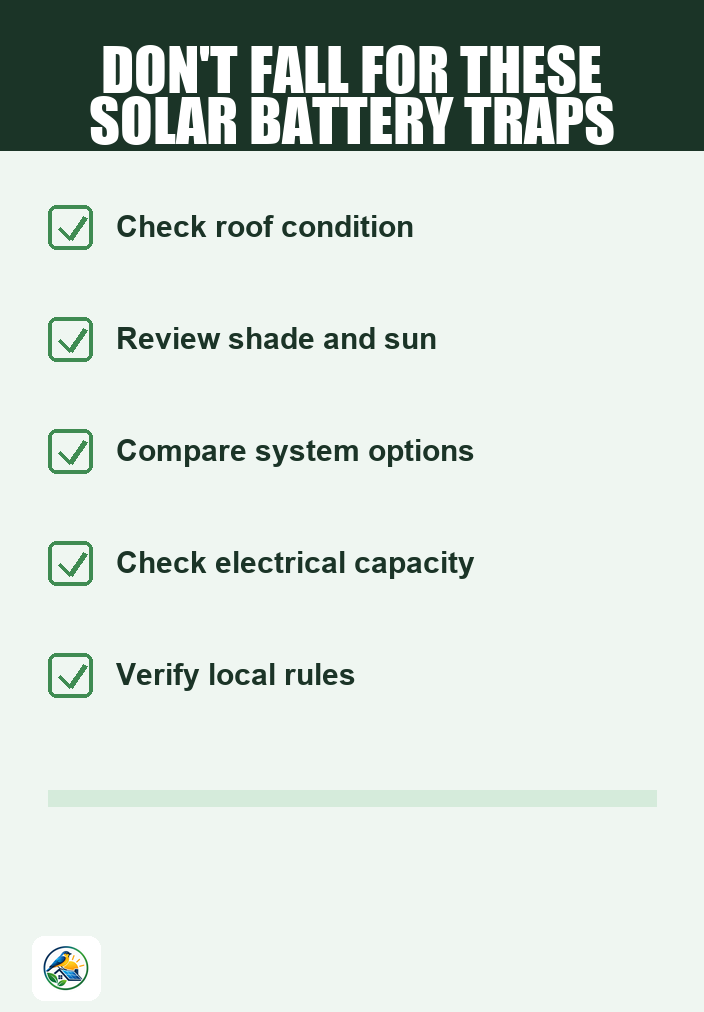
When deciding between solar batteries and generators, consider the following factors:
- Power Needs: Assess your typical energy consumption and determine whether your needs can be met by a battery or if a generator is more suitable.
- Usage Frequency: If you live in an area prone to frequent outages, a generator may be more beneficial. However, if you want to utilize stored solar energy regularly, a battery could be the better option.
- Environmental Considerations: If reducing your carbon footprint is a priority, solar batteries offer a cleaner option compared to traditional fuel-based generators.
- Budget: Compare the initial costs and ongoing expenses associated with each option. Consider how long you plan to stay in your home, as this can influence your return on investment.
- Local Regulations: Check for any local regulations or requirements that may influence your decision, such as permitting for installations.
When to Consult a Professional Installer
Determining the best option for your home can be complex, and consulting with a qualified solar installer can provide valuable insights. A professional can evaluate your specific situation, including your energy usage, home layout, and local utility policies, to help guide your decision.
Additionally, getting itemized quotes from multiple installers will help you understand the costs associated with both solar batteries and generators. This will enable you to make a more informed decision based on your budget and energy needs.
Next Steps: Making Your Decision
As you weigh the options between solar batteries and generators, consider your unique circumstances and energy requirements. Both systems have their pros and cons, and understanding these trade-offs is crucial for making a well-informed choice.
Ultimately, compare itemized quotes from qualified installers to gain clarity on costs and options available to you. Verify current incentives and local regulations before proceeding with any installation. By doing so, you’ll be better equipped to choose the solution that aligns with your energy goals and budget.