
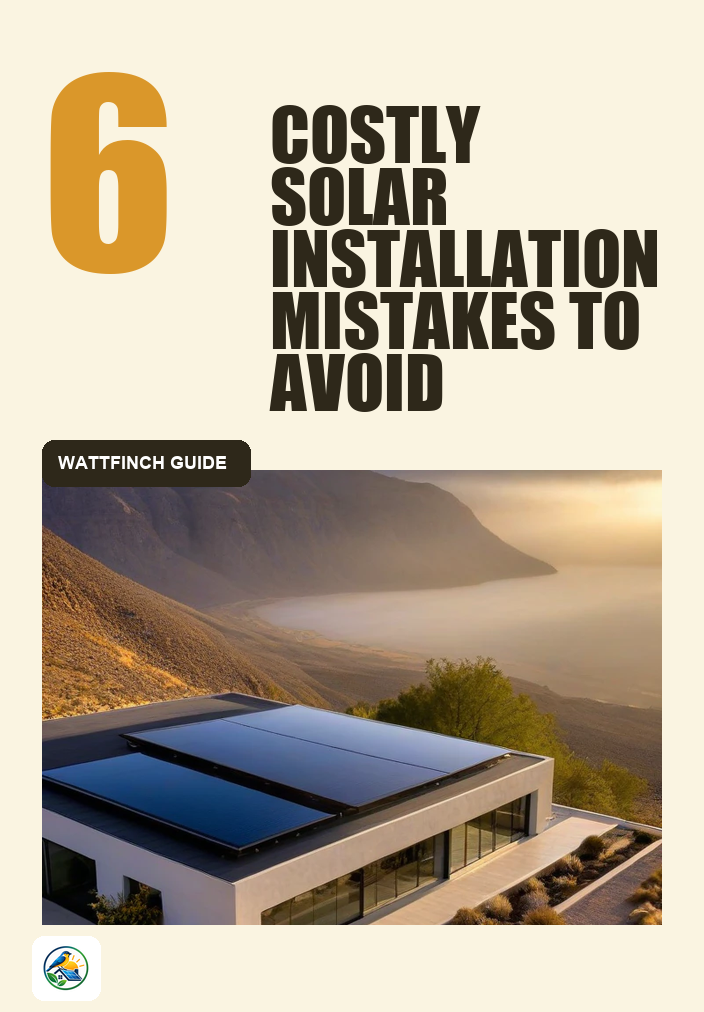
Understanding Critical Mistakes in Solar Installation Electrical Upgrades
As U.S. homeowners increasingly consider solar energy for their homes, understanding the critical mistakes often made during solar installation electrical upgrades can be the difference between a successful transition to solar power and a frustrating experience. This article aims to highlight common pitfalls in the installation process, helping you make informed decisions for your home’s energy future.
Neglecting Electrical System Compatibility
One of the most significant mistakes homeowners make is not ensuring their existing electrical systems are compatible with solar technology. Before installation, it’s crucial to evaluate the current state of your electrical panel and wiring. An outdated or insufficient electrical panel can lead to issues like overloads or the inability to handle the additional power from a solar system.
Key Considerations:
- Panel Capacity: Determine if your electrical panel can accommodate the extra load from solar panels and possibly a battery system.
- Wiring Condition: Assess the wiring in your home. Old or damaged wiring may need replacement to ensure safety and efficiency.
- Local Codes: Check local building codes and regulations to ensure compliance with electrical upgrades.
Overlooking Roof Suitability
Your roof’s condition, orientation, and shading can significantly impact the efficiency of your solar installation. Many homeowners underestimate how these factors can affect solar energy production.
Evaluating Your Roof:
- Age and Condition: If your roof is nearing the end of its lifespan, consider replacing it before installing solar panels.
- Orientation and Pitch: South-facing roofs typically receive the most sunlight, while roofs with steep pitches may complicate installation.
- Shading: Trees, nearby buildings, or other obstructions can limit sunlight exposure. Conduct a shading analysis to determine the best placement for your panels.
Ignoring the Importance of Sizing Your System Correctly
Another common mistake is failing to size the solar system appropriately for your energy needs. An improperly sized system can lead to either excess costs or insufficient energy production.
Factors for Sizing Your System:
- Energy Consumption: Review your past utility bills to understand your energy usage patterns. This will help determine how much power you need.
- Future Needs: Consider any anticipated changes in energy consumption, such as electric vehicle charging or home expansions.
- Solar Production Estimates: Professionals can provide estimates based on local sunlight conditions and your specific roof setup.
Not Considering Battery Backup Options
Homeowners often overlook the benefits of incorporating a battery backup system along with solar panels. While it may seem like an added expense, batteries can enhance energy independence and reliability.
Benefits of Battery Backup:
- Energy Independence: Store excess energy for use during outages or nighttime.
- Cost Management: Use stored energy during peak pricing hours, potentially lowering your energy bills.
- Environmental Impact: A battery system can help optimize your solar energy use and reduce reliance on the grid.
Underestimating Permitting and Inspection Processes
The permitting and inspection process can be a significant hurdle in solar installation, and many homeowners underestimate the time and effort required. Failing to account for necessary permits can lead to delays and additional costs.
Tips for Navigating Permits:
- Research Local Regulations: Understand your local government’s requirements for solar installations.
- Engage Professionals: Work with a solar installer familiar with local codes and permitting processes to expedite approvals.
- Plan for Inspections: Be prepared for potential inspections during and after installation, which may affect your timeline.
Choosing the Wrong Installer
The choice of installer can significantly affect the quality and efficiency of your solar installation. Homeowners often overlook the importance of selecting a qualified and reputable installer.
Criteria for Selecting an Installer:
- Experience and Reputation: Look for installers with a proven track record and positive reviews from previous clients.
- Licensing and Certification: Ensure the installer is licensed, insured, and certified to perform solar installations in your area.
- Itemized Quotes: Request detailed quotes from multiple installers to compare pricing, warranties, and services included.
Failing to Plan for Future Maintenance
Many homeowners neglect to consider the ongoing maintenance of their solar systems. While solar panels generally require minimal upkeep, regular maintenance is crucial for optimal performance.
Maintenance Considerations:
- Regular Cleaning: Dust, debris, and snow can impede solar panel efficiency, so plan for periodic cleaning.
- Inspections: Schedule routine inspections to check for damage or wear on the system components.
- Monitoring Performance: Use monitoring systems to track energy production and detect issues early.
Next Steps for Homeowners Considering Solar
As you explore solar options for your home, it’s crucial to be aware of these common mistakes and how to avoid them. Begin by evaluating your electrical system, roof condition, and energy needs. Engage with multiple qualified installers to obtain itemized quotes, and ensure they address your specific circumstances.
By taking the time to research and plan accordingly, you can make a more informed decision regarding your solar installation, ultimately leading to a smoother transition to renewable energy.


















