
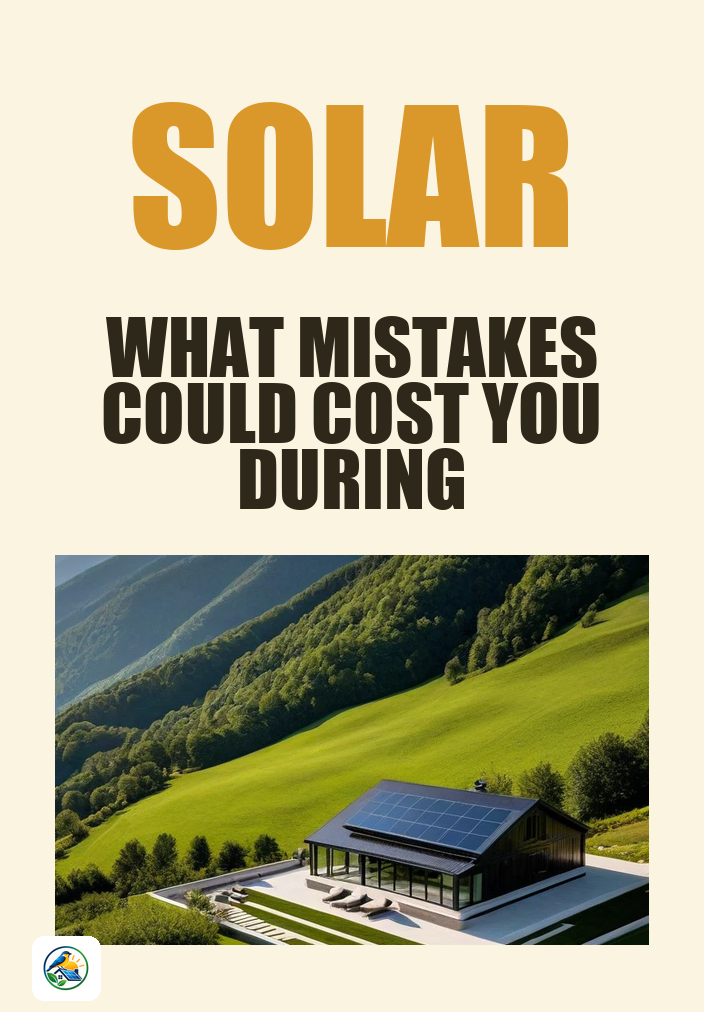
Understanding Common Missteps Homeowners Make During the Solar Installation Process
As homeowners increasingly consider solar energy for their residences, the installation process can seem daunting. While solar panels offer many benefits, such as reducing electricity bills and promoting sustainability, the journey to harnessing solar energy can be riddled with missteps. This article aims to highlight common errors homeowners make during the solar installation process and provide practical insights to help navigate this path effectively.
Failing to Conduct Thorough Research
One of the most significant missteps is a lack of research. Homeowners often jump into the solar installation process without fully understanding their options. Here are key areas to focus on:
- Understanding Solar Technology: Familiarize yourself with different types of solar systems, such as grid-tied, off-grid, and hybrid systems. Grid-tied systems connect directly to the utility grid, while off-grid systems operate independently. A hybrid system combines both, often with battery backup.
- Evaluating Energy Needs: Assess your household’s energy consumption. Knowing how much energy you use will help in sizing your solar system appropriately.
- Local Regulations and Incentives: Each state and community has unique solar policies, incentives, and permitting processes. Verify current local utility regulations, tax incentives, and any rebates available in your area.
Neglecting Roof Condition and Suitability
Another common oversight is not evaluating the roof’s condition before installation. The roof must be in good shape and ideally positioned for solar panel installation. Consider the following:
- Roof Age and Condition: If your roof is nearing the end of its lifespan, it may be wise to replace it before installing solar panels. This can prevent the hassle of having to remove and reinstall the panels later.
- Orientation and Tilt: The angle and direction of your roof significantly impact solar panel efficiency. South-facing roofs typically receive the most sunlight, but east and west-facing roofs can still work well depending on your location.
- Shade Analysis: Nearby trees or buildings can cast shadows on your roof, reducing solar panel efficiency. Conduct a shade analysis to understand how shading might affect your system.
Ignoring Energy Efficiency Measures
Homeowners sometimes overlook energy efficiency improvements before installing solar. Implementing energy-saving measures can significantly enhance the overall effectiveness of your solar system:
- Upgrading Insulation: Proper insulation can reduce your heating and cooling demands, allowing your solar system to cover a larger portion of your energy needs.
- Using Energy-Efficient Appliances: Transitioning to energy-efficient appliances can lower your overall energy consumption, allowing your solar system to meet your energy needs more effectively.
- Conducting an Energy Audit: Consider hiring a professional to perform an energy audit. This can help identify areas for improvement and better align your solar system’s size with your energy consumption.
Choosing the Wrong Installer
Your choice of solar installer can make or break your solar experience. Homeowners sometimes rush this decision without conducting proper due diligence. Here’s how to choose wisely:
- Researching Credentials: Ensure your installer has the necessary licenses, certifications, and insurance. Look for certifications from reputable organizations and check their standing with the Better Business Bureau.
- Reading Reviews: Online reviews can provide insights into the experiences of other customers. Look for feedback on installation quality, customer service, and warranty handling.
- Comparing Quotes: Obtain itemized quotes from multiple installers. This helps in understanding the pricing and services offered, allowing for a more informed decision.
Overlooking Financing Options
Financing is another area where homeowners can stumble. Many overlook the variety of financing options available or fail to fully understand the terms. Consider the following:
- Understanding Payment Structures: Be aware of the differences between purchasing, leasing, and power purchase agreements (PPAs). Each option has its own advantages and disadvantages.
- Evaluating Total Costs: Look beyond the monthly payment. Consider total installation costs, interest rates, and loan terms over the life of the financing.
- Incentives and Rebates: Be sure to verify current local, state, and federal incentives that may be available to you, as these can significantly impact your financial commitment.
Neglecting Maintenance and Monitoring
Once your solar system is installed, maintenance is crucial for ensuring its efficiency and longevity. Homeowners sometimes assume solar systems are maintenance-free, which is a misconception. Here are some considerations:
- Regular Inspections: Schedule periodic inspections to ensure that all components are functioning correctly and to catch any issues early.
- Monitoring Performance: Use monitoring systems to track your solar output and energy consumption. This can help identify any drop in performance that may need attention.
- Cleaning Panels: Solar panels can accumulate dirt, debris, or snow that may hinder their efficiency. Depending on your location, regular cleaning may be necessary.
Conclusion: Practical Next Steps for Homeowners
When considering solar installation, awareness of common missteps can greatly enhance your experience and outcomes. Be sure to conduct thorough research, evaluate your roof, implement energy efficiency measures, choose the right installer, explore financing options, and plan for maintenance.
As a practical next step, start by comparing itemized quotes from qualified installers in your area. This will provide you with a clearer understanding of your options and help you make an informed decision that aligns with your specific needs and circumstances.


















