What Key Factors Should You Consider for Solar Installation in Florida?
As a homeowner in Florida, considering a residential rooftop solar system can be an exciting yet complex decision. The Sunshine State is known for its abundant sunlight, making solar energy an attractive option for many. However, before diving into an installation, there are several key factors to evaluate that can impact both your experience and the overall effectiveness of the system. Here, we’ll outline what you need to consider when planning for solar installation in Florida.
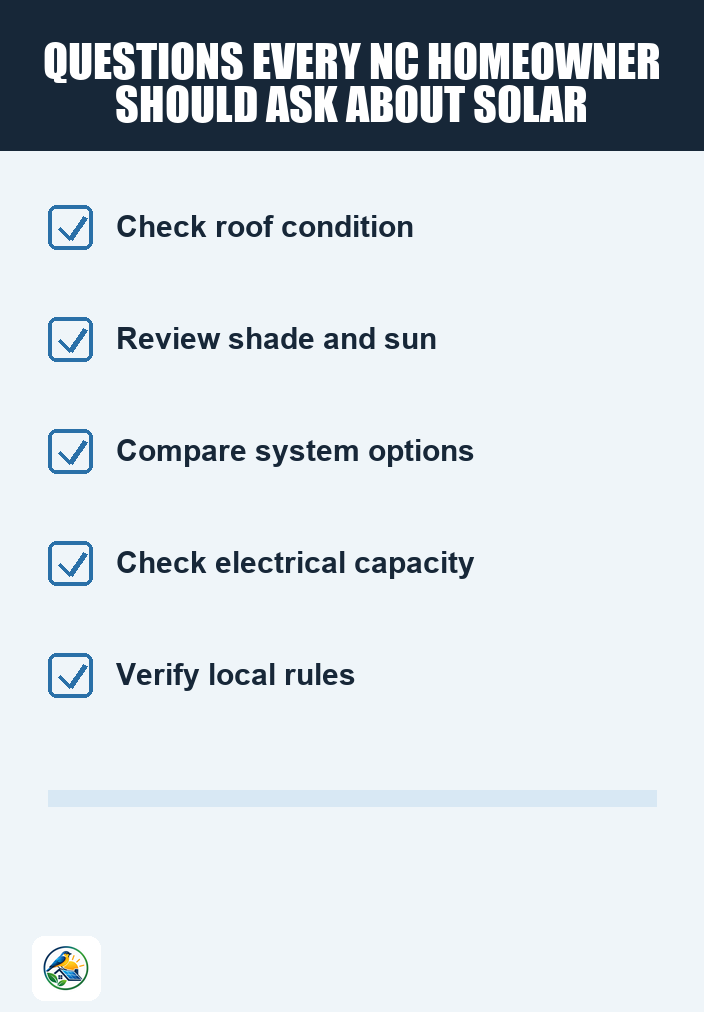
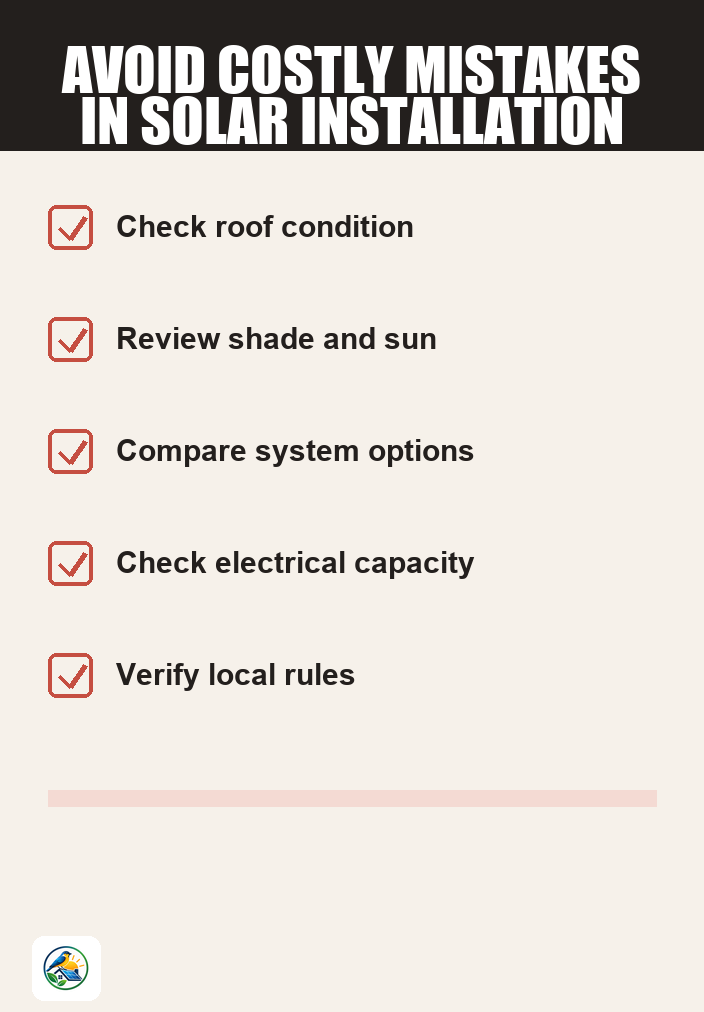
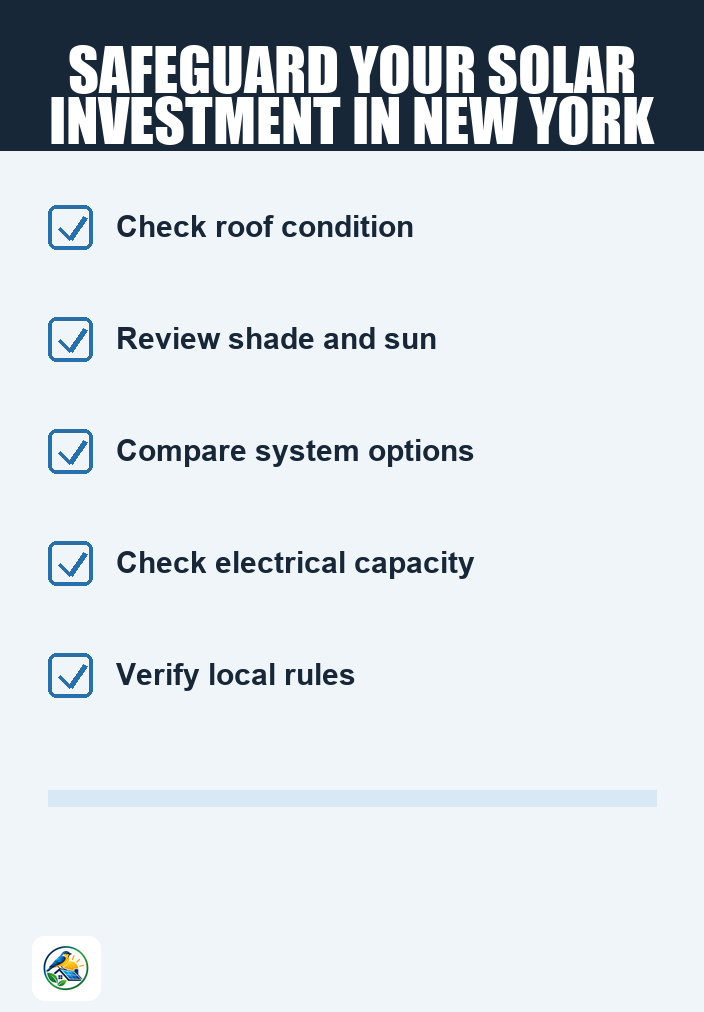
1. Roof Condition and Suitability
The roof is the primary surface for solar panel installation, so its condition and suitability are critical. Assess the following:
- Age and Integrity: If your roof is nearing the end of its lifespan or has significant damage, it may be wise to repair or replace it before installing solar panels. This can save you from potential issues in the future.
- Material: Different roofing materials can affect installation methods. For instance, tile roofs may require special mounting techniques compared to asphalt shingles.
- Pitch and Orientation: Ideally, roofs with a south or southwest orientation capture the most sunlight. A steep pitch can also enhance sunlight exposure but may complicate installation.
2. Shading Considerations
Shading from trees, buildings, or other structures can significantly impact the performance of your solar system. Here’s how to evaluate shading:
- Conduct a Shade Analysis: Use tools or consult with an installer to analyze how much sunlight your roof receives throughout the day and year.
- Tree Management: If trees are causing shade issues, consider whether they can be trimmed or removed to optimize sunlight exposure.
3. System Size and Energy Needs
Understanding your energy consumption will help you determine the appropriate size for your solar system. Here are steps to estimate your needs:
- Review Energy Bills: Look at your monthly electricity usage over the past year to identify patterns and peaks in consumption.
- Calculate Solar Needs: A common rule of thumb is that 1kW of solar capacity generates about 1,200 kWh of energy per year. This can help you estimate how much capacity you might need based on your consumption.
4. Local Regulations and Permitting
Florida has specific regulations and permitting processes for solar installations, which can vary by county. Consider the following:
- Building Permits: Most installations require a permit, which your installer should help you obtain. Be sure to factor in this time and effort into your planning.
- Homeowners Association (HOA) Rules: If you live in a community with an HOA, check their guidelines regarding solar installations, as there may be restrictions on aesthetics or placement.
5. Utility Policies and Net Metering
Understanding your utility’s policies on solar energy is essential for maximizing your investment. Key aspects include:
- Net Metering: This allows you to sell excess energy back to the grid. Review your utility’s net metering policies to see how they work and if there are any caps or limits.
- Interconnection Standards: These are rules governing how your solar system connects to the grid. Ensure your installer is familiar with the requirements to avoid delays.
6. Financial Considerations and Incentives
While solar can be a good investment, it’s crucial to understand the financial landscape:
- Installation Costs: Get itemized quotes from multiple qualified installers to understand the overall cost. This should include equipment, labor, and any additional fees.
- Incentives and Rebates: Research local, state, and federal incentives that may be available for solar installations. Keep in mind that these can change frequently, so verify current offerings.
- Financing Options: Explore different financing options, including loans, leases, or power purchase agreements (PPAs). Each has its pros and cons, which can affect your long-term financial commitment.
7. Battery Storage and Backup Options
Consider whether you want a battery storage system for your solar installation. Some factors to weigh include:
- Energy Independence: A battery system can provide power during outages and reduce reliance on the grid, which can be particularly useful during hurricane season.
- Cost vs. Benefits: Batteries can add significant upfront costs, so evaluate whether the benefits align with your needs and budget.
8. Long-Term Plans and Maintenance
Think about your long-term plans for your home and how they relate to solar energy:
- Future Expansion: If you plan to expand your home or significantly change your energy needs, consider how a solar system might adapt to those changes.
- Maintenance Requirements: Solar systems generally require minimal maintenance, but it’s essential to keep panels clean and inspect them periodically for any issues.
Next Steps
Deciding to install solar panels in Florida involves careful consideration of various factors unique to your situation. Begin by assessing your roof and energy needs, researching local regulations, and gathering quotes from qualified installers. By comparing itemized quotes and understanding your options, you can make a more informed decision about whether solar is right for your home.