
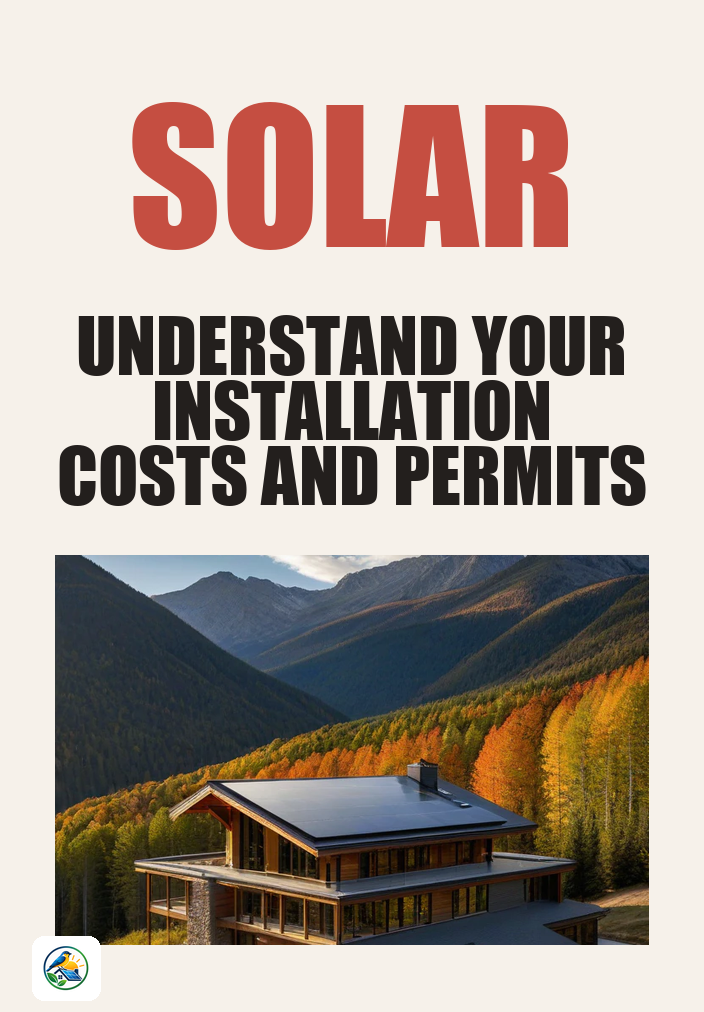
Understanding the Costs of Solar Installation
When considering a solar installation for your home, understanding the associated costs is crucial. The expenses can vary significantly based on your location, the size of your home, and the complexity of your installation. Here’s a breakdown of the primary cost factors you should be aware of:
Equipment Costs
- Solar Panels: The type and efficiency of solar panels you choose will affect the overall cost. Higher efficiency panels may have a higher upfront cost but can produce more energy.
- Inverters: These devices convert the direct current (DC) produced by solar panels into alternating current (AC) used in your home. Depending on the size and features, inverters can also impact the total cost.
- Mounting Systems: The mounting system needed will depend on your roof type and installation method. This can influence both the price and the complexity of the installation.
- Batteries (if applicable): If you are considering adding a home battery system, this will add to the cost. Battery size, brand, and technology can vary widely.
Installation and Labor Costs
Labor costs can vary based on the installer’s expertise and your location. Generally, installation costs can range from 10% to 20% of the total system cost. Here are some factors that influence installation expenses:
- Roof Condition: If your roof needs repairs or reinforcement, expect higher installation costs.
- Roof Pitch and Accessibility: Steeper roofs or those with limited access may require additional safety measures, increasing labor costs.
- System Complexity: More complex systems, such as those involving battery storage or multiple arrays, can increase installation time and labor costs.
Permitting and Inspection Fees
Before installation, most municipalities require permits to ensure that your solar system complies with local building codes and standards. These fees can vary widely, so it’s essential to check local regulations. Common permit-related costs include:
- Building Permits: Required for structural modifications and electrical work.
- Inspection Fees: After installation, inspections may be necessary to confirm compliance with permits.
Exploring Incentives and Financing Options
While solar installations can be costly upfront, various incentives may offset these expenses. However, these incentives change frequently, so it’s vital to verify current offerings in your area. Common incentives include:
- Federal Tax Credit: A percentage of your installation cost may be eligible for a federal tax credit. Consult a tax professional to understand eligibility and documentation required.
- State and Local Incentives: Many states offer additional rebates or tax incentives. Check your state’s energy department or local government websites for details.
- Financing Options: Some companies offer financing plans that allow you to pay over time. Understand the terms and interest rates, as they can significantly affect the total cost.
Understanding Permitting Processes
Permitting is a critical step in the solar installation process. Here’s how to navigate it:
Research Local Requirements
Each city and state has different rules regarding solar installations. Start by researching local building codes and zoning laws. You can often find this information on your city or county’s website.
Work with Your Installer
A reputable solar installer will help you navigate the permitting process. They should be familiar with local regulations and may handle the permit applications on your behalf. Be sure to ask about their experience with local permits as you compare quotes.
Timeline for Permitting
The permitting process can take anywhere from a few days to several weeks, depending on your location. Understanding the expected timeline can help you plan your installation accordingly.
Interconnection and Utility Considerations
Once your system is installed, it must be connected to the utility grid, known as interconnection. This process can also involve costs and time delays:
Utility Requirements
Different utilities have varying requirements for interconnection. Some may require additional inspections or specific equipment. Consult with your installer to understand the utility’s process and any associated fees.
Net Metering Options
Net metering allows you to receive credit for the excess energy your system produces. Not all utilities offer favorable net metering policies, so check your utility’s policies to assess the potential benefits.
Weighing the Trade-offs of Solar Installation
While solar can offer advantages, it isn’t suitable for every homeowner. Consider the following factors:
- Roof Orientation and Shade: Ideally, solar panels should face south and be free of shading from trees or buildings. If your roof isn’t well-suited, the efficiency of your solar system could be compromised.
- Future Plans: If you plan to relocate soon, consider whether the investment in solar aligns with your short-term plans.
- Maintenance and Upkeep: Solar systems require minimal maintenance, but homeowners should budget for occasional inspections and cleaning.
Next Steps for Your Solar Journey
Considering all these factors, your next step should be to obtain itemized quotes from qualified solar installers. An itemized quote will break down the costs of equipment, installation, permits, and any applicable incentives. This will allow you to compare options effectively and make an informed decision.
Remember, while solar energy can be a valuable investment for many, it’s essential to do your homework and evaluate all aspects before proceeding. Good luck on your journey to energy independence!


















