Understanding Your Solar Installation Options
When considering solar installation for your home in California, it’s essential to understand the types of systems available, their respective benefits, and how they align with your energy needs. The primary options include grid-tied systems, battery backup systems, and off-grid solutions.
Grid-Tied Solar Systems
Grid-tied solar systems are the most common in residential settings. These systems connect directly to the local power grid, allowing you to draw electricity from the grid when your solar panels aren’t generating enough power, such as at night or on cloudy days. Any excess energy produced during the day can be sent back to the grid, often resulting in credits through net metering.
Battery Backup Systems
If you want more energy independence, a battery backup system may be right for you. These systems store excess energy generated during the day for use during power outages or peak demand times. However, battery systems add to the initial cost and may require additional space for installation.
Off-Grid Solar Systems
For those in remote areas or looking for complete energy independence, off-grid systems are an option. These systems are typically larger and more complex, requiring batteries to store energy and possibly a generator as a backup. Off-grid systems are less common for residential use in California but can be viable for specific situations.
Assessing Your Home’s Suitability for Solar
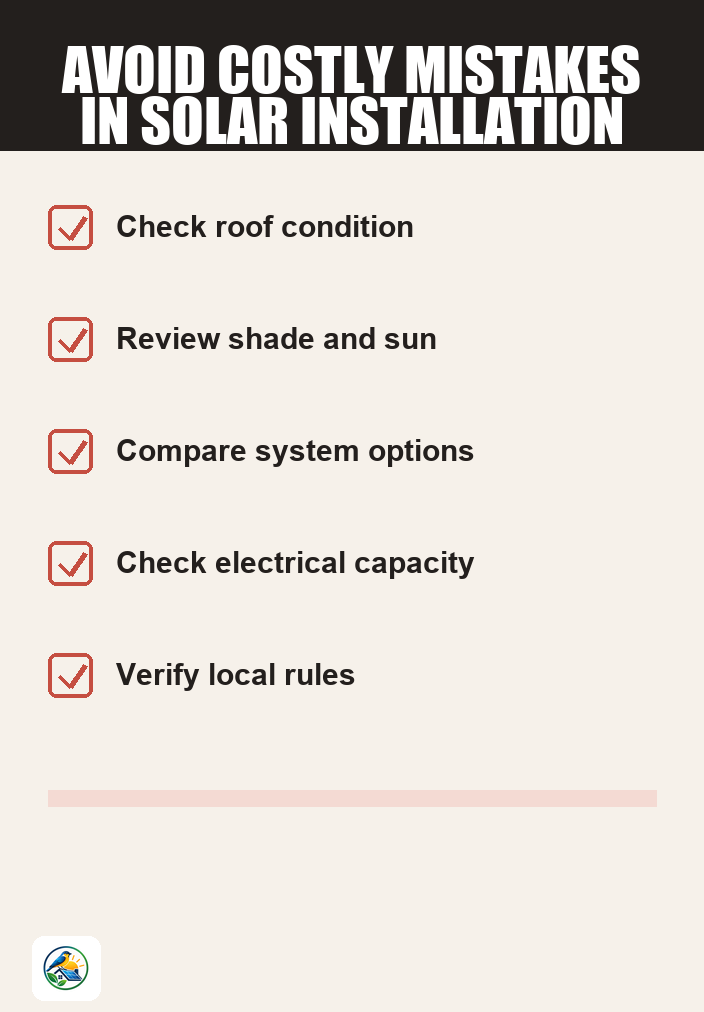
Not every home is suited for solar installation. Several factors can influence the effectiveness and feasibility of a solar system:
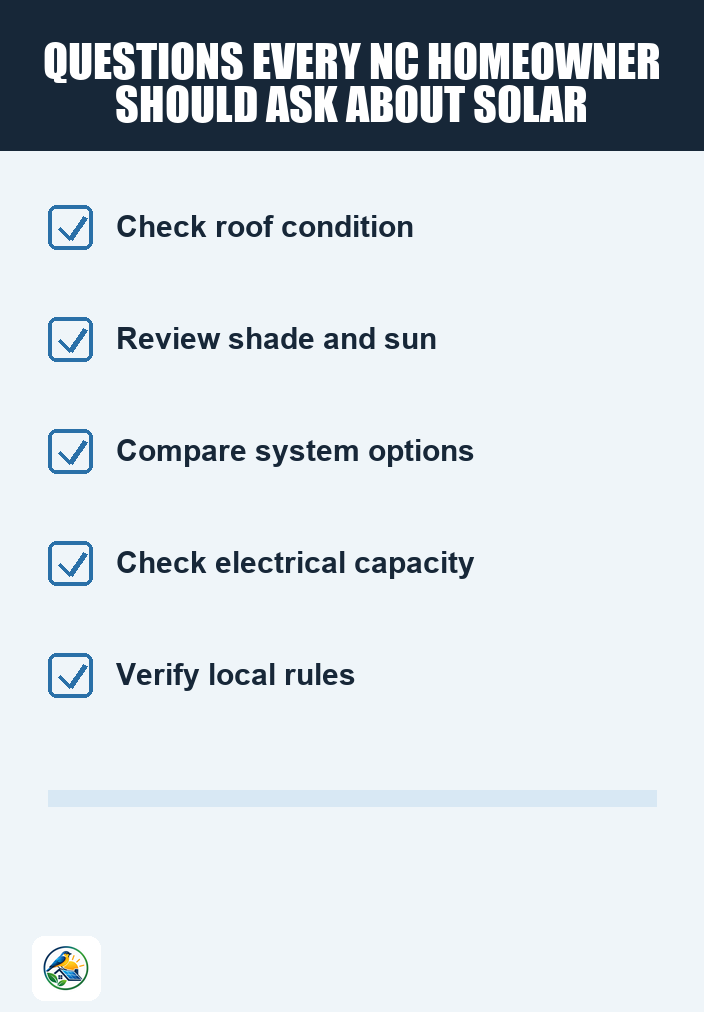
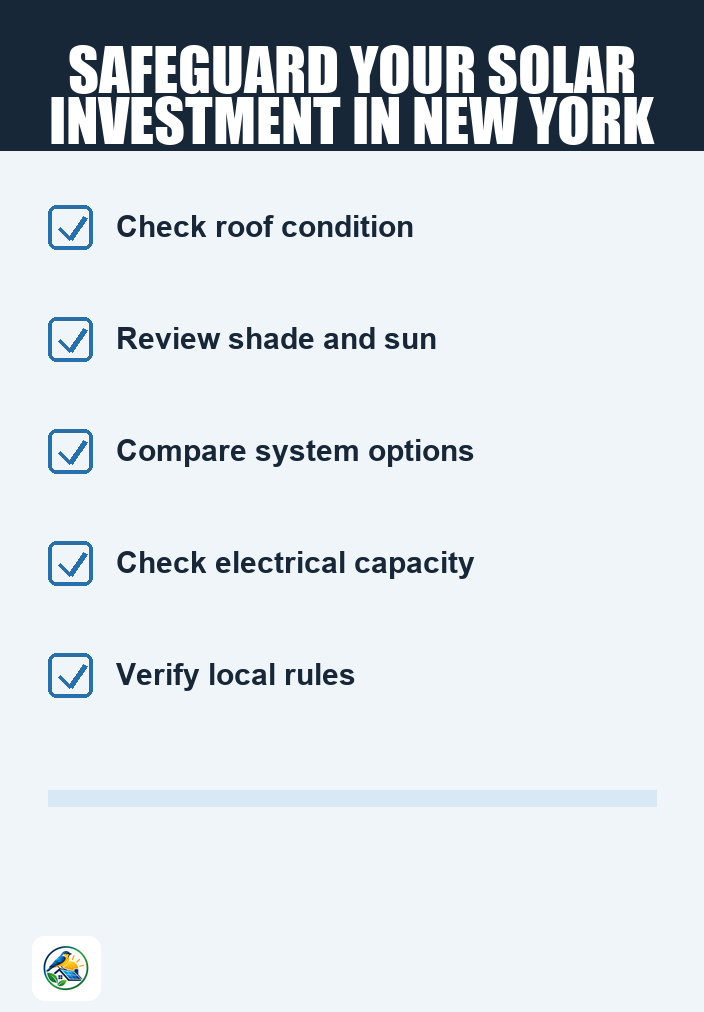
- Roof Condition: Ensure your roof is in good condition and can support solar panels. If your roof needs repairs or replacement soon, consider addressing those issues before installation.
- Roof Orientation: South-facing roofs generally receive the most sunlight, making them ideal for solar panels. East and west-facing roofs can also work, but their energy production may be lower.
- Shade: Trees, nearby buildings, or other obstructions can cast shadows on your roof, significantly reducing solar panel efficiency. Assess your property for potential shading throughout the day.
- Electrical Upgrades: Older homes may require electrical upgrades to handle the new solar system. Consult an electrician to determine if your electrical panel needs an upgrade.
Calculating Your Energy Needs
Understanding your energy consumption is crucial for sizing your solar system correctly. Here are steps to help you determine your energy needs:
- Review Your Utility Bills: Look at your energy usage over the past year. Most bills provide a monthly breakdown of your kilowatt-hour (kWh) consumption.
- Determine Your Goals: Decide if you want to offset your entire usage or just a portion. You may choose to go solar to reduce your bill, increase energy independence, or for environmental reasons.
- Calculate System Size: As a rough estimate, a typical home might need about 5 to 10 kilowatts of solar power. Divide your monthly kWh usage by the average solar production for your area to find the system size that meets your goals.
Researching Local Incentives and Regulations
California offers several incentives and regulations that can impact your solar installation:
- State Incentives: Check for state tax credits or rebates that may be available. These can change frequently, so verify current information from local government resources.
- Utility Policies: Familiarize yourself with net metering rules and interconnection requirements from your utility company. These rules dictate how you can connect your solar system to the grid and how you’ll be compensated for excess energy.
- Permitting Requirements: Solar installations typically require permits from your local government. Ensure you understand the permitting process in your area, as it can vary significantly.
Finding Qualified Installers
Once you’ve assessed your home and researched local regulations, the next step is obtaining quotes from qualified solar installers. Here are some tips for selecting the right installer:
- Verify Credentials: Check for licenses, certifications, and insurance. Look for installers who are certified by the North American Board of Certified Energy Practitioners (NABCEP).
- Experience Matters: Choose installers with significant experience in the local market. They will be more familiar with local regulations and utility policies.
- Get Multiple Quotes: Comparing itemized quotes from different installers can help you understand the costs involved and the specifics of what each installer offers.
- Read Reviews: Check customer reviews and testimonials to gauge the quality of service and installation from various companies.
Understanding Financing Options
Financing solar installations can be a significant aspect of your decision-making process. Here are common options to consider:
- Cash Purchase: Paying upfront can yield the best long-term savings, but requires a substantial initial investment.
- Loans: Solar loans are available that allow you to pay for your system over time. Interest rates and terms can vary significantly, so shop around.
- Leases and Power Purchase Agreements (PPAs): These options allow you to use solar power without a large upfront cost, but they typically result in less long-term savings compared to ownership.
Next Steps After Your Research
After thoroughly researching and preparing for your solar installation, it’s essential to take actionable steps:
- Compare itemized quotes from multiple qualified installers, focusing on equipment, warranties, and installation practices.
- Verify local incentives and financing options to ensure you understand your financial commitments.
- Schedule consultations with potential installers to discuss your specific needs and goals.
Preparing for a solar installation can be a complex process, but with the right information and preparation, you can make informed decisions that suit your home and energy needs.