
Understanding the Challenge of Shaded Roofs for Solar Installations
As more homeowners explore renewable energy options, solar panels have gained popularity for their potential to reduce electricity costs and carbon footprints. However, for those with shaded roofs, the prospect of installing a solar system can seem daunting. Shading can significantly impact energy production, making it essential for homeowners to understand their options and the implications of various solar solutions.
Assessing Your Roof’s Solar Potential
Before diving into specific solar options, it’s crucial to evaluate your roof’s solar potential. Factors to consider include:
- Shade Sources: Identify what causes shading on your roof. Common sources include nearby trees, buildings, or chimneys.
- Orientation: South-facing roofs typically receive the most sunlight, while north-facing roofs may receive less.
- Roof Condition: Ensure your roof is in good condition before installing solar panels. A weak or aging roof may require repairs or replacement.
A professional installer can conduct a solar assessment to measure the intensity of sunlight your roof receives. This assessment often includes shading analysis, which is essential to determine the feasibility of solar installation.
Options for Homes with Shaded Roofs
Homeowners with shaded roofs have several solar options to consider. Here are some viable alternatives:
1. Microinverters and Power Optimizers
Traditional solar panels are often equipped with string inverters, which can be less effective when panels receive varying amounts of sunlight. Microinverters and power optimizers are advanced technologies that can help.
- Microinverters: These devices are installed on each panel, allowing them to operate independently. If one panel is shaded, it won’t significantly affect the performance of others.
- Power Optimizers: These work with a central inverter to maximize the output of each panel, reducing the impact of shading.
Both options can enhance efficiency in shaded conditions, making them worthwhile considerations for homeowners.
2. Ground-Mounted Solar Systems
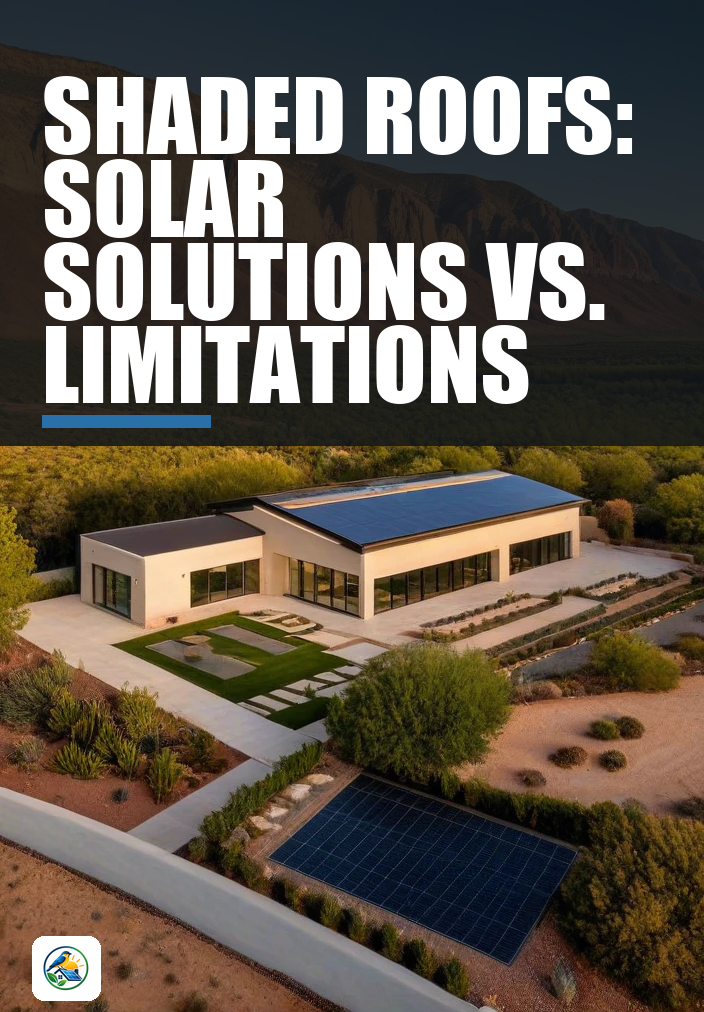
If your roof is heavily shaded, a ground-mounted solar system may be a feasible alternative. These systems can be installed in an area with optimal sunlight exposure, such as a backyard or open land adjacent to your home.
- Flexibility: Ground-mounted systems can be positioned to maximize sun exposure, avoiding shading issues entirely.
- Space Requirements: Ensure you have enough space on your property for a ground-mounted system. Local zoning laws may also dictate where you can place it.
3. Solar Canopies or Carports
Another option is to install solar canopies or carports. These structures can provide shaded parking while simultaneously generating solar energy. They are particularly useful if you have limited roof space or significant shading.
- Multi-Functionality: Solar canopies serve dual purposes, providing both solar energy and protection for vehicles.
- Design Considerations: Canopies can be designed to fit various aesthetics and may enhance your property’s overall look.
4. Battery Storage Systems
Battery storage systems can be beneficial for homes with shaded roofs. They allow you to store excess energy generated on sunny days for use during cloudy periods or at night. While battery systems add an upfront cost, they can enhance energy independence.
- Backup Power: In case of outages, batteries can provide a backup power source, ensuring you have electricity when you need it most.
- Energy Management: Batteries can optimize energy usage by storing energy when rates are lower and using it when electricity costs are higher.
Evaluating Trade-offs and Limitations
While these options provide viable solutions for homes with shaded roofs, there are trade-offs to consider:
- Cost: Advanced technologies like microinverters and battery systems can increase the overall cost of your solar installation.
- Permitting and Regulations: Depending on your local laws, obtaining permits for ground-mounted systems or canopies may take longer and require additional steps.
- Maintenance: Ground-mounted systems may require more maintenance, including landscaping to keep vegetation away.
Homeowners should weigh these factors against their solar goals and budget when considering their options.
When to Consult a Professional Installer
If you’re contemplating solar energy for your shaded roof, getting a professional quote is essential. A qualified installer can assess your specific situation and provide tailored recommendations. Here’s what to consider during your consultation:
- Site Assessment: Request a thorough assessment of your roof’s shading and overall solar potential.
- Technology Options: Discuss the benefits of microinverters, power optimizers, and battery systems based on your needs.
- Cost Estimates: Obtain detailed quotes that include equipment, installation, and any necessary permits.
Next Steps for Homeowners
Exploring solar options for shaded roofs may seem challenging, but with the right information and assessment, you can identify a viable solution. Start by evaluating your roof’s solar potential and researching the technologies available to you.
When you’re ready, consult with qualified solar installers for detailed, itemized quotes tailored to your home. This will help you make informed decisions about whether solar energy fits your needs and budget.


















