Understanding Solar Installation Financing Costs in California
As California continues to lead the nation in solar energy adoption, many homeowners are considering the benefits of installing residential solar systems. However, the costs associated with solar installation financing can vary significantly. This article aims to uncover the intricacies of financing solar installations in California, helping homeowners make informed decisions.
Types of Solar Financing Options
Homeowners in California have several financing options when it comes to solar installation. Understanding these options is crucial for determining the overall cost and feasibility of solar energy for your home.
- Cash Purchase: Paying for the solar system upfront eliminates financing costs. However, this option requires a significant initial investment.
- Solar Loans: Many homeowners opt for loans specifically designed for solar installations. These loans can be secured or unsecured, often with favorable terms. Monthly payments are made over the loan period, which can range from a few years to several decades.
- Leases: With a solar lease, homeowners pay a monthly fee to use the solar equipment without owning it. This can lower upfront costs, but the homeowner does not receive incentives or tax credits directly.
- Power Purchase Agreements (PPAs): Similar to leases, PPAs allow homeowners to pay for the energy produced by the solar system rather than the equipment itself. Payments are typically lower than traditional utility rates, but again, the homeowner does not own the system.
Cost Considerations for Each Financing Option
Each financing option comes with its own set of costs and considerations. Here’s a breakdown of potential expenses associated with each method:
Cash Purchase
- Initial Costs: Full payment upfront, which can range significantly based on system size and equipment.
- Long-Term Savings: While there are no monthly payments, savings from rebates and tax credits can be substantial.
Solar Loans
- Interest Rates: Rates can vary; lower rates reduce overall financing costs. It’s essential to shop around for the best deal.
- Monthly Payments: Payments will depend on the loan amount, interest rate, and term length.
- Potential for Savings: Homeowners may still qualify for tax credits and incentives despite financing.
Leases
- Monthly Payments: Fixed payments over the lease term, typically 20 years.
- End of Lease Options: Homeowners may have options to purchase the system, renew the lease, or have the system removed.
- No Ownership: Homeowners do not benefit from tax incentives or rebates.
Power Purchase Agreements (PPAs)
- Cost of Energy: Payments are based on the energy produced, making it flexible with energy needs.
- Long-Term Commitment: Similar to leases, homeowners may face long-term commitments without ownership of the system.
Evaluating Your Home’s Suitability for Solar Financing
Before deciding on a financing option, consider several factors that can impact the overall cost and effectiveness of a solar installation:
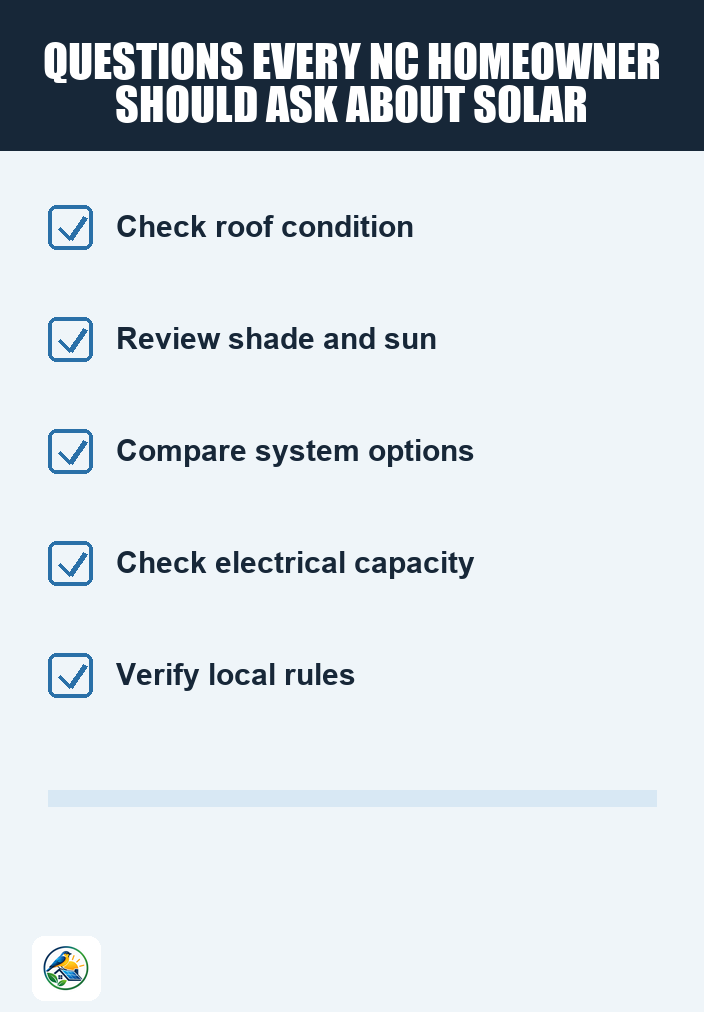
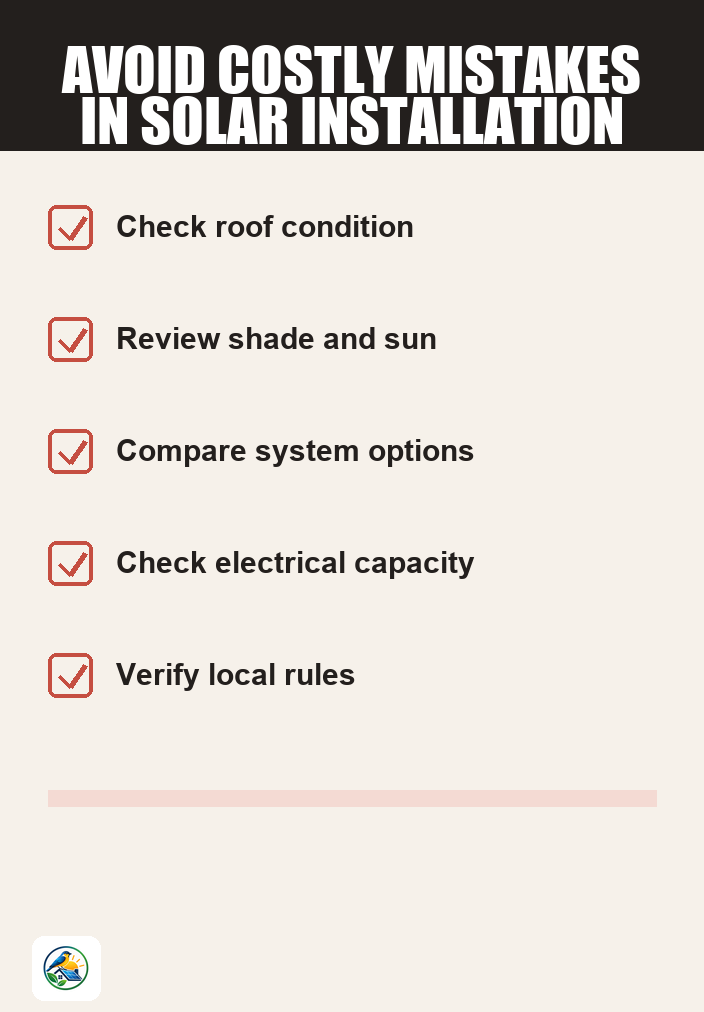
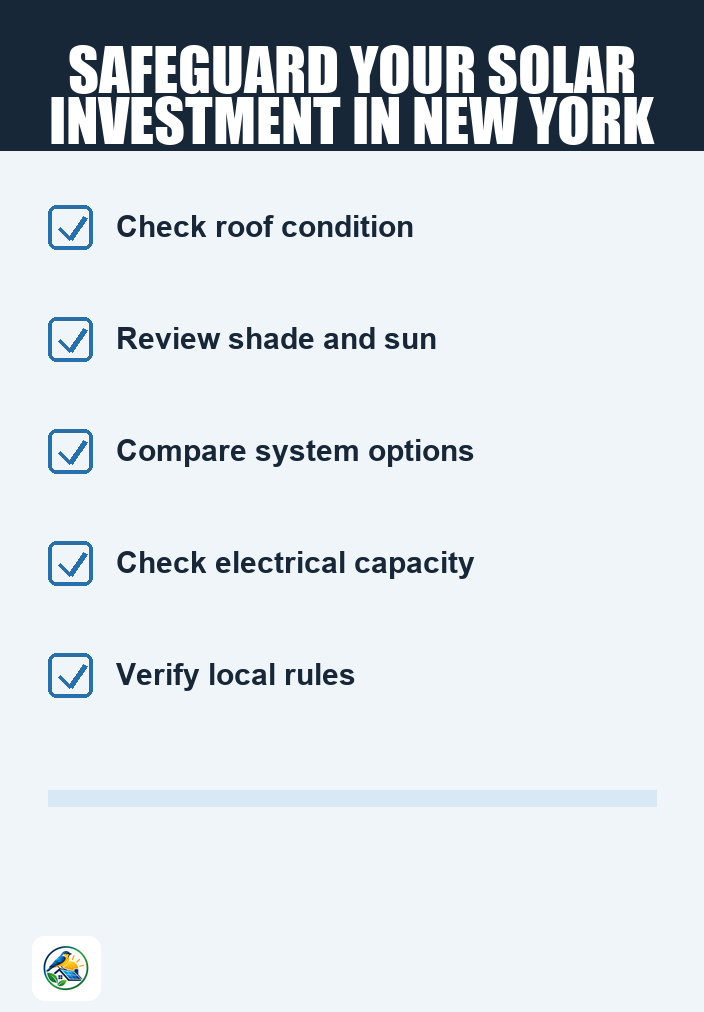
- Roof Condition: An aging or damaged roof may require repairs or replacement before solar installation.
- Shade and Orientation: Trees or nearby buildings that cast shadows can reduce system efficiency. An optimal roof should face south, southwest, or west.
- Electrical System Upgrades: Older homes may need electrical upgrades to accommodate solar systems, adding to the overall cost.
- Future Plans: Consider how long you plan to stay in your home. Short-term residents may not benefit as much from solar investments.
Understanding Incentives and Tax Credits
California offers various incentives for solar installations, including state tax credits, rebates, and net metering policies. However, these incentives can change, and homeowners should verify the current offerings available in their area. Understanding how these incentives fit into your financing choice is critical for calculating overall costs.
Tax Credit Considerations
The federal solar investment tax credit (ITC) has been a significant incentive for many homeowners. However, the percentage and eligibility can change, so it’s essential to check the current regulations and consult with a tax professional to determine your potential benefits.
Cost Trade-offs and Long-Term Considerations
While financing options can make solar installation more accessible, they also come with trade-offs. Here are some considerations to keep in mind:
- Interest Costs: Loans may incur interest, which can add to the overall cost of the system.
- Ownership Benefits: Owning the system allows you to take advantage of incentives and rebates, while leased systems do not.
- Potential for Higher Payments: Depending on the financing option, monthly payments can stretch budgets.
Next Steps: Comparing Quotes and Making an Informed Decision
Before committing to a solar installation, it’s wise to gather itemized quotes from multiple qualified installers. This will allow you to compare costs, financing options, and available incentives accurately. Here’s a simple checklist to help you through the process:
- Assess your roof’s suitability for solar (condition, orientation, shading).
- Research and understand the financing options available to you.
- Gather quotes from at least three solar installers, focusing on itemized costs.
- Discuss potential incentives and tax credits with each installer.
- Consult with a financial advisor or tax professional regarding the impact of solar on your finances.
By carefully evaluating your options and understanding the true costs associated with solar installation financing, you can make a more informed decision about whether solar energy is the right fit for your home.