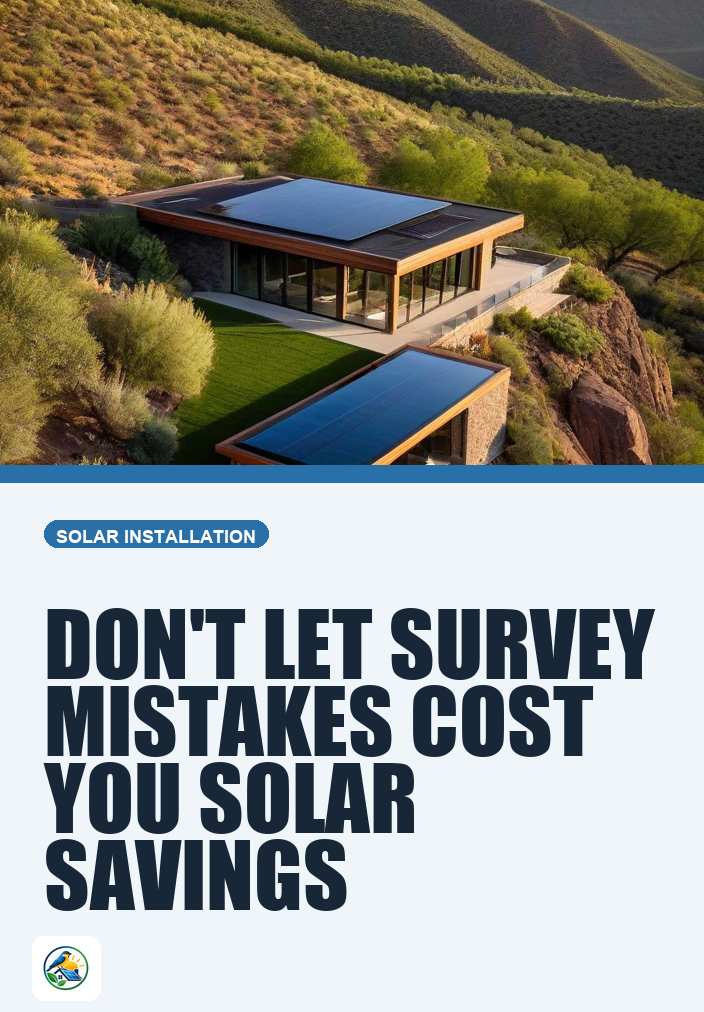
Understanding the Need for a Solar Site Survey
Before committing to a rooftop solar installation, especially in a sloped area, it’s essential to conduct a thorough solar site survey. This survey will help you understand how the unique characteristics of your roof can impact the efficiency and effectiveness of a solar energy system. A well-planned site survey provides valuable insights that can guide your decision-making process, enabling you to choose the right system for your home.
Key Considerations for a Sloped Roof Installation
Installed on a sloped roof, solar panels can offer several advantages, such as better drainage and reduced debris accumulation. However, there are key factors to consider:
- Roof Angle: The pitch of your roof will influence the angle at which solar panels are installed. A steeper slope may require specific mounting equipment and adjustments to optimize sunlight exposure.
- Orientation: The direction your roof faces (south, east, west, or north) will impact energy production. South-facing roofs typically capture the most sunlight, but east and west orientations can still be effective.
- Shading: Nearby trees, buildings, or other obstructions can create shade on your roof, significantly reducing solar output. During your survey, assess potential shading throughout the day and year.
- Roof Condition: Ensure your roof is in good condition before installation. If repairs or replacements are needed, it’s wise to address these issues before adding solar panels, which can complicate future repairs.
Components of a Comprehensive Solar Site Survey
A solar site survey typically involves both an on-site assessment and a review of your energy needs. Here’s what you can expect:
1. On-Site Assessment
- Roof Measurements: Installers will take precise measurements of your roof to determine how many panels can fit and the optimal configuration.
- Structural Evaluation: The installer will assess the roof’s structural integrity to ensure it can support the weight of the solar panels and mounting systems.
- Electrical System Review: An evaluation of your existing electrical system will help determine if upgrades are necessary to accommodate the new solar setup.
2. Energy Needs Analysis
- Energy Consumption Patterns: Review your energy bills to identify your average consumption and peak usage times. This data will help determine the system size you need.
- Future Energy Goals: Consider any changes you anticipate in your energy use, such as adding electric vehicles or home appliances.
Choosing the Right System for Your Home
After completing the site survey, you’ll have a clearer picture of what type of solar system is best suited for your home. Here are a few options to consider:
- Grid-Tied Systems: These systems are connected to the utility grid and use net metering to credit you for excess energy produced. They are usually the most cost-effective option but rely on the grid for energy when the sun isn’t shining.
- Battery Backup Systems: Integrating a battery with your solar installation allows you to store excess energy for use during outages or at night. This option adds upfront costs but can enhance energy independence.
- Off-Grid Systems: If you live in a remote area, an off-grid system may be necessary. These systems require larger battery storage and are more complex but offer complete energy independence.
Potential Drawbacks and Limitations
While solar energy can be a great asset, it’s important to recognize potential drawbacks, especially for sloped roof installations:
- Initial Costs: The upfront investment for solar can be significant. Be sure to weigh the costs against potential benefits and available incentives.
- Maintenance: Solar panels require regular cleaning and occasional maintenance. Your sloped roof may complicate access for maintenance.
- Permitting and Regulations: Local regulations and permitting can vary widely, affecting installation timelines and costs. Check with your local authorities.
- Weather Conditions: Harsh weather, such as heavy snowfall or high winds, can impact the performance and longevity of your solar panels.
Next Steps: Getting Quotes from Qualified Installers
After assessing your property and understanding your energy needs, it’s time to reach out to qualified solar installers for detailed quotes. When comparing quotes, look for:
- Itemized Costs: Ensure costs are broken down into equipment, installation, and any additional fees.
- System Performance Estimates: Ask for estimates on potential energy production based on your site survey.
- Warranties and Support: Review warranty details for the panels and inverter, as well as post-installation support offerings.
By taking the time to plan your solar site survey and carefully evaluating your options, you can make an informed decision that aligns with your energy goals and financial situation. Remember, it’s essential to verify local rules, incentives, and policies as you move forward in your solar journey.