
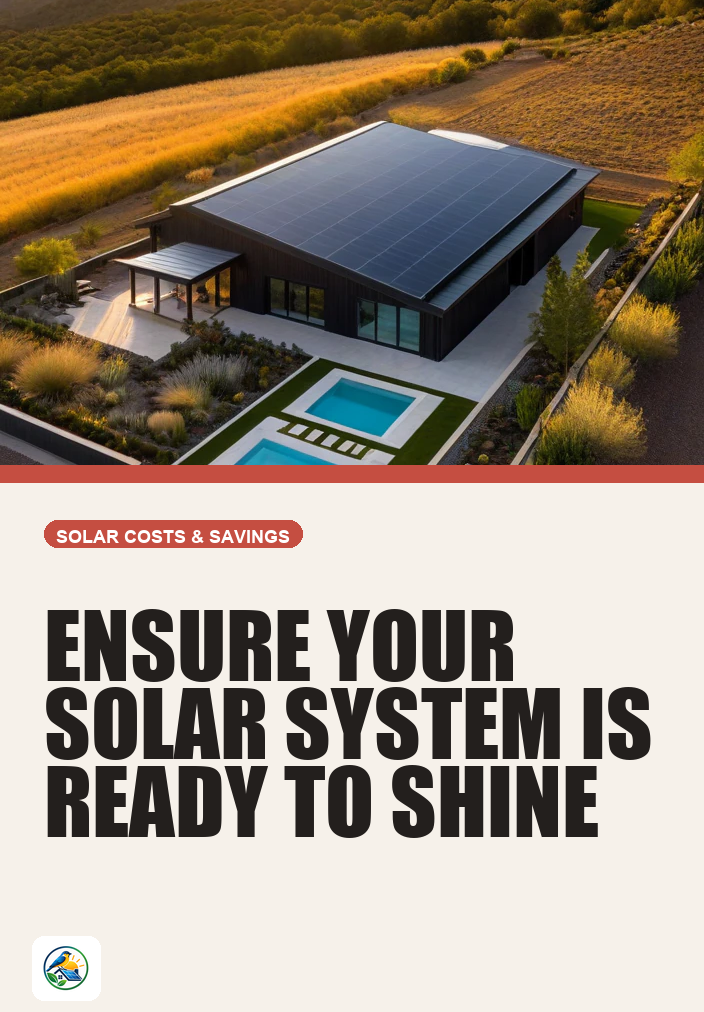
Understanding the Need for Electrical Upgrades in Solar Installations
As you consider installing a rooftop solar system for your home, understanding the potential need for electrical upgrades is crucial. Many homes may require some adjustments to their existing electrical infrastructure to safely and effectively integrate solar energy. This article will guide you through the key considerations and solutions homeowners should be aware of when navigating electrical upgrades for solar installations.
Why Electrical Upgrades Might Be Necessary
Before diving into the specifics, it’s essential to understand why upgrades might be necessary. Common reasons include:
- Age of Electrical System: Many older homes have electrical systems that do not meet modern standards, which may limit the capacity for additional loads, such as those from solar panels.
- Current Electrical Load: If your home already has a high demand for electricity, adding solar could necessitate an upgrade to handle the additional load and ensure safety.
- Inverter Compatibility: The inverter, which converts the direct current (DC) from your solar panels into alternating current (AC) for your home, may require a specific electrical setup that older systems may not support.
Assessing Your Home’s Electrical System
Before making any decisions, it’s advisable to conduct a thorough assessment of your home’s electrical system. Here are some steps to follow:
- Hire a Qualified Electrician: A licensed electrician can evaluate your current system, including the panel, wiring, and grounding. This assessment will inform you whether upgrades are necessary.
- Evaluate Your Electrical Panel: Ensure your electrical panel can handle the additional capacity from the solar installation. If your panel is outdated or insufficient, replacing it may be necessary.
- Inspect Wiring and Connections: Check for any frayed or outdated wiring that may not support the increased load from solar panels.
Common Electrical Upgrades for Solar Installations
If your assessment indicates the need for upgrades, here are some common modifications you may encounter:
1. Upgrading the Electrical Panel
Upgrading to a higher-capacity electrical panel can improve your home’s ability to handle increased electrical loads from solar installations. A modern panel typically has a capacity ranging from 100 to 400 amps, accommodating more circuits and devices.
2. Replacing Outdated Wiring
Older homes may have wiring that is not up to code or insufficient for modern energy demands. Replacing old wiring with higher-capacity options can ensure safety and reliability.
3. Installing a New Inverter
The inverter is a crucial component of any solar installation. Depending on your system, you may need to upgrade to a more advanced inverter that can handle the energy produced by your solar panels efficiently.
4. Grounding Enhancements
Proper grounding is essential for safety and optimal performance. Enhancements or additions to your grounding system may be necessary to comply with current regulations.
Understanding Costs and Trade-offs
When considering electrical upgrades, costs can vary widely based on the scope of work, materials used, and local labor rates. It’s also important to weigh the benefits against the costs:
- Initial Investment: Upgrading electrical systems can involve significant upfront costs, depending on the required work.
- Long-term Benefits: Enhanced safety, improved efficiency, and the ability to expand your solar system in the future can justify the investment.
- Potential Incentives: Some upgrades may qualify for local or state incentives. Always verify current incentive programs before proceeding.
Permitting and Interconnection Considerations
Before proceeding with a solar installation, understanding local permitting requirements and interconnection policies is crucial. Here are some points to consider:
- Permitting: Local governments often require permits for solar installations and any electrical upgrades. Check with your local building department for specific requirements.
- Utility Interconnection: Your utility company may have specific interconnection requirements for connecting your solar system to the grid. Ensure that your electrical system meets these standards.
Comparing Quotes and Selecting an Installer
Once you’ve assessed your electrical needs and understood the potential upgrades, it’s time to compare quotes from qualified installers. Here are some tips to ensure you make an informed decision:
- Get Multiple Quotes: Obtain itemized quotes from at least three different installers. This will give you a better understanding of the market rates and services offered.
- Ask About Electrical Upgrades: Ensure each installer includes potential electrical upgrades in their assessment and quote. Understanding the total costs associated with both solar and electrical work is essential.
- Check Credentials: Verify that each installer is licensed, insured, and has experience with similar projects in your area.
Next Steps for Homeowners
Navigating the potential electrical upgrades for your solar installation can feel overwhelming, but taking it step by step can simplify the process. Here’s a quick recap of what to do next:
- Conduct a thorough assessment of your current electrical system with a qualified electrician.
- Consider the need for upgrades based on your home’s specific requirements.
- Gather multiple quotes from qualified solar installers, ensuring they address any necessary electrical work.
By approaching your solar installation with a clear understanding of electrical upgrades, you can make informed decisions that align with your energy needs and budget.


















