
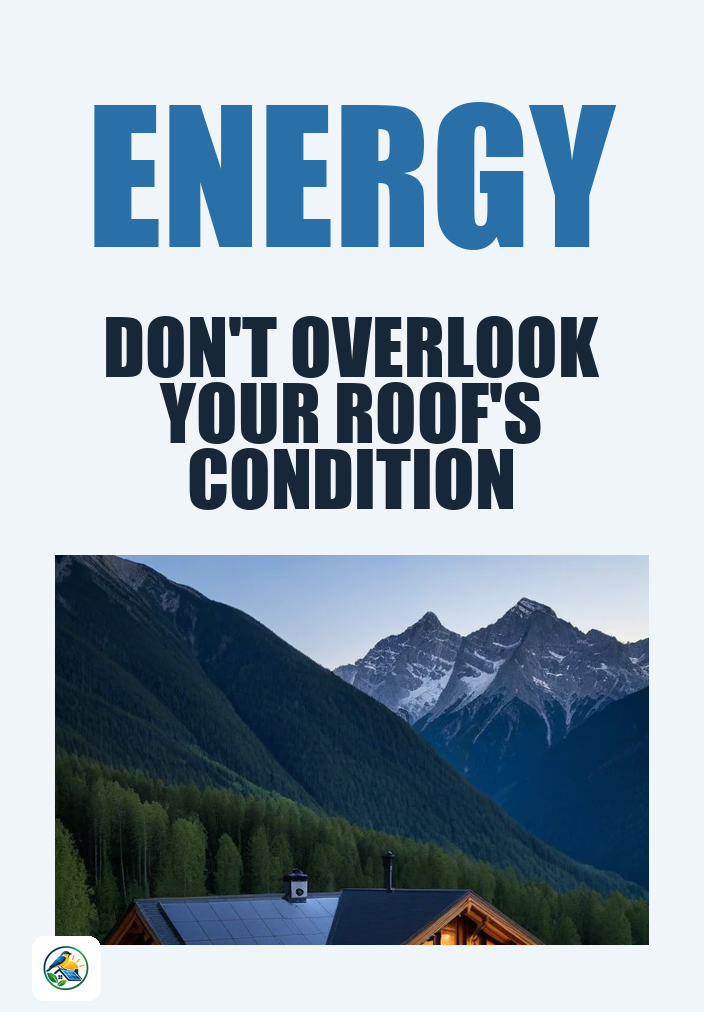
Understanding the Challenges of Installing Solar Panels on Older Roofs
Installing solar panels on an older roof can be a fantastic way to reduce energy costs and embrace renewable energy. However, there are several mistakes that homeowners should avoid to ensure a successful installation. Knowing these pitfalls can help you make informed decisions, enhance the lifespan of your solar system, and save you from unexpected expenses down the line.
1. Ignoring Roof Condition
One of the most critical considerations when installing solar panels is the condition of your roof. An older roof may show signs of wear and tear, such as missing shingles, leaks, or structural weaknesses. Here are some points to consider:
- Inspection: Have a professional inspect your roof for any damage or areas needing repair. An inspection can identify issues that could complicate the installation process.
- Repair or Replace: If significant repairs are needed, consider whether it’s more cost-effective to repair your existing roof or replace it entirely before installing solar panels.
- Longevity: Remember that solar panels typically last 25 years or more. Ensure your roof can hold up for the duration of the solar panel’s lifespan.
2. Overlooking Roof Type and Structure
The type of roof you have can significantly influence the solar installation process. Different roof materials and styles may require different mounting techniques:
- Sloped vs. Flat Roofs: Sloped roofs are generally easier to install solar panels on compared to flat roofs, which may require additional structural support and drainage considerations.
- Material Matters: Roofs made from tiles, slate, or metal can pose unique challenges, as the installer must be careful not to damage the roofing material during installation.
- Structural Integrity: Ensure your roof can support the weight of the panels and mounting equipment, especially if you have an older home.
3. Not Considering Orientation and Shade
The effectiveness of solar panels is highly dependent on their orientation and exposure to sunlight. Here’s what to keep in mind:
- South-Facing Roofs: Ideally, solar panels should be installed on south-facing roofs to maximize sunlight exposure.
- Shade Issues: Trees, chimneys, and other structures can cast shadows on your roof. Evaluate any potential shading throughout the day before installation.
- Panel Placement: A professional installer can help determine the best placement for optimal energy production, considering your specific roof layout.
4. Neglecting Electrical System Upgrades
Older homes may have outdated electrical systems that need upgrading to accommodate solar panels. Here are some considerations regarding your electrical setup:
- Wiring and Panels: Ensure your electrical panel can handle the additional load of solar energy. An upgrade may be necessary for safe and efficient operation.
- Inverter Compatibility: The inverter converts solar energy into usable electricity. Make sure the inverter you choose is compatible with your existing electrical system.
- Battery Backup: If considering a battery system, ensure your electrical setup can support it without significant upgrades.
5. Underestimating Installation Costs
Many homeowners assume they understand the cost of installing solar panels, but there are often hidden expenses. Consider these factors:
- Permitting and Fees: Local permitting fees, inspection costs, and other administrative fees can add up. Research and budget for these costs before installation.
- Maintenance Costs: Solar panels require some level of maintenance. Factor in any potential service or cleaning costs over the lifespan of the panels.
- Financing Options: Review financing options carefully. Some financing plans may lead to higher long-term costs than others.
6. Not Exploring Incentives and Rebates
While many homeowners are aware of tax credits and rebates for solar installations, there can be local incentives that are often overlooked. Here’s how to approach this:
- Research Local Incentives: Investigate state and local programs that may provide financial benefits for installing solar panels. This can include cash rebates or performance-based incentives.
- Understand Tax Credits: Familiarize yourself with federal and state tax credits available for solar installations. Verify current rates and eligibility requirements.
- Consult Professionals: Speak with solar installers who can help navigate available incentives and ensure you’re not missing out on potential savings.
7. Failing to Get Multiple Quotes
When considering solar installation, it’s essential to gather multiple quotes from qualified installers. Here’s why:
- Comparative Analysis: Different installers may offer various pricing models, warranties, and services. Comparing multiple quotes can help you find the best fit for your budget and needs.
- Experience and Reputation: Look for licensed and insured installers with good reviews. Ask for references and check their track record with similar installations.
- Itemized Quotes: Request itemized quotes that detail costs for equipment, labor, and any necessary upgrades. This transparency helps you understand where your money is going.
Next Steps: Making Informed Decisions
Installing solar panels on an older roof can be a smart investment if done correctly. By avoiding common mistakes and understanding the specific needs of your home, you can ensure a successful installation. Take the time to evaluate your roof condition, consider electrical upgrades, and gather multiple quotes from credible installers.
Remember, solar energy might not be the right fit for every home, and decisions should be made based on thorough research and professional guidance. Verify current local utility, installer, or government information before proceeding.


















