
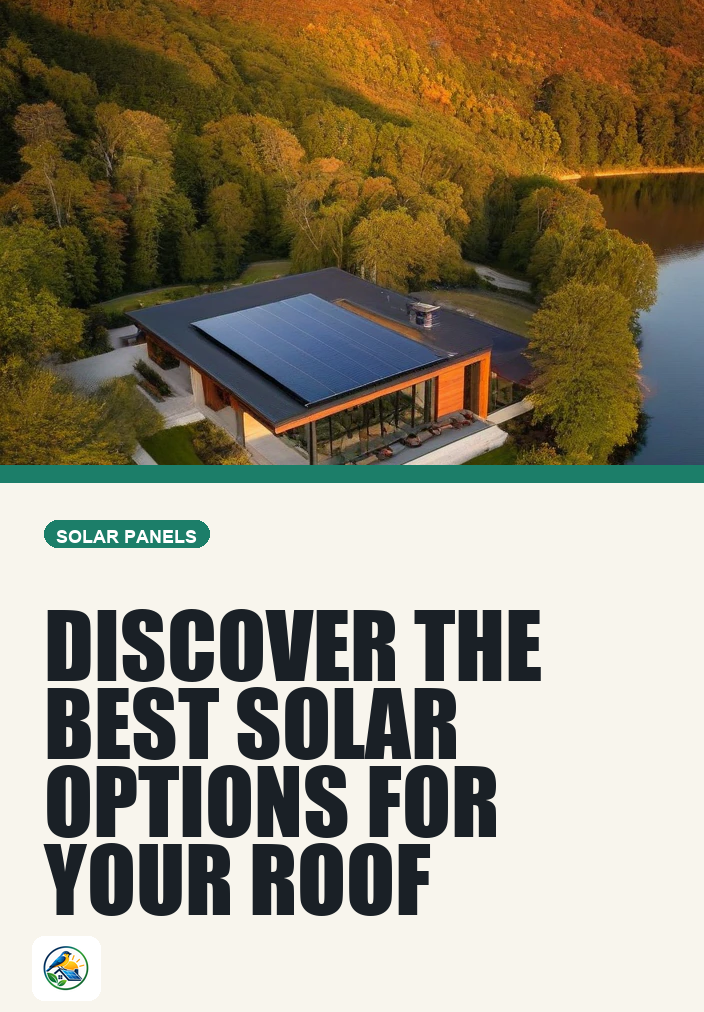
Understanding Solar Panel Options for Your Two-Story Home: A Beginner’s Comparison
As a homeowner considering solar energy, understanding your options can feel overwhelming, especially if you live in a two-story home. With various systems available, it’s essential to evaluate which might work best for your unique situation. This article will guide you through the different types of solar panel systems, the considerations for installation on a two-story structure, and how to compare potential quotes from installers.
Types of Solar Panel Systems
When exploring solar options for your two-story home, you’ll primarily encounter three main types of systems: grid-tied solar, battery backup systems, and off-grid systems. Each has unique characteristics that may suit different needs and preferences.
Grid-Tied Solar Systems
A grid-tied solar system connects directly to your local utility grid. This is the most common type of solar system for residential homes. It allows you to draw power from the grid when your solar panels aren’t producing enough energy, such as during the night or on cloudy days.
- Pros: Typically more affordable since they don’t require batteries; you can take advantage of net metering, which credits you for excess energy your system produces.
- Cons: If the grid goes down, your system will shut off for safety reasons, meaning you won’t have backup power during outages.
Battery Backup Systems
Battery backup systems store excess energy produced by your solar panels for later use. This option is ideal if you want to maintain power during outages or if your utility doesn’t offer favorable net metering policies.
- Pros: Provides energy independence; you can use stored power when the grid fails, which is particularly useful in areas prone to outages.
- Cons: Higher initial costs due to the battery installation and potential maintenance issues; batteries may need replacement after a certain number of charge cycles.
Off-Grid Systems
Off-grid systems are entirely independent from the utility grid. They consist of solar panels, batteries, and often a generator for backup power. These systems are suitable for remote locations where connecting to the grid is impractical.
- Pros: Complete independence from utility companies; you produce and manage your energy.
- Cons: High initial costs and ongoing maintenance; you must carefully manage your energy use and storage capacity.
Considerations for Two-Story Homes
Installing solar panels on a two-story home presents unique challenges and considerations that are essential to evaluate before making a decision.
Roof Condition and Orientation
The condition of your roof is critical. If your roof is aging or in disrepair, it may need replacement before installation, which adds to the cost. Additionally, the orientation and pitch of your roof will affect solar panel efficiency:
- South-facing roofs: Typically receive the most sunlight and are ideal for solar panels.
- East or west-facing roofs: Can also work well but may produce less energy during peak hours.
- North-facing roofs: Generally less efficient for solar, as they receive less direct sunlight.
Shade and Surrounding Environment
Evaluate the amount of shade your roof receives from trees, neighboring buildings, or other structures. Even partial shading can significantly reduce solar panel output. Consider trimming trees or selecting a different roof section if shading is a concern.
Electrical Upgrades
Your existing electrical system may require upgrades to accommodate a solar installation. A professional installer can assess whether your home’s electrical panel can handle the additional load from solar panels and batteries.
Comparing Quotes from Solar Installers
Once you’ve determined the type of solar system and considered your home’s specifics, it’s time to seek quotes from qualified solar installers. Here are some tips for effectively comparing quotes:
- Itemized Quotes: Request detailed, itemized quotes from at least three installers. This should include costs for equipment, installation, permits, and any additional services.
- Warranties: Inquire about warranties for both the solar panels and the installation work. A good warranty can provide peace of mind regarding future maintenance.
- Experience and Reviews: Research the installer’s reputation. Look for reviews and testimonials from previous customers to gauge their reliability and workmanship.
- Incentives: Discuss local incentives or rebates that may apply to your installation. Verify current programs as they can vary widely by location and time.
Conclusion: Practical Next Steps
Transitioning to solar power is an exciting journey, especially for two-story homeowners. Take your time to thoroughly research and understand your options. Evaluate the type of solar system that fits your needs, consider your roof’s conditions, and compare detailed quotes from multiple qualified installers. This careful approach will help you make an informed decision about whether solar energy is the right fit for your home.


















