
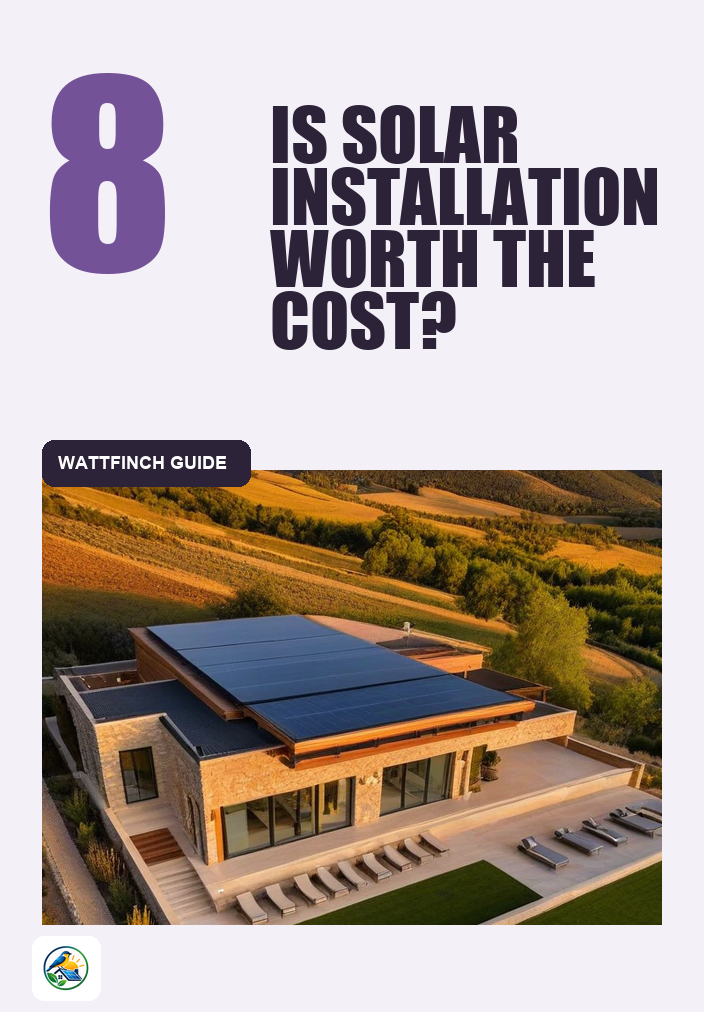
Understanding Solar Financing: More Than Just Upfront Costs
When considering a residential rooftop solar system, many homeowners focus primarily on the upfront costs. While the initial investment is undoubtedly significant, the financial implications of going solar extend far beyond just that initial price tag. In order to make an informed decision, it’s essential to look at the entire financial picture, including long-term savings, financing options, and the overall value solar can bring to your home.
The Total Cost of Ownership
The total cost of ownership (TCO) of solar includes several factors beyond the sticker price of the system itself:
- Installation Costs: These can vary widely based on system size, roof condition, and geographical location.
- Financing Options: Homeowners can finance solar installations through various means, each affecting long-term costs differently.
- Maintenance and Repairs: While solar systems are generally low-maintenance, occasional repairs or replacements (like inverters) can arise.
- Insurance: Some homeowners might see a slight increase in their home insurance premiums after installing solar.
Understanding these components allows homeowners to see the bigger picture and evaluate whether solar is a viable financial investment for their specific situation.
Financing Options: Weighing Your Choices
When it comes to financing a solar system, several options exist, each with its own advantages and drawbacks:
- Cash Purchase: Paying upfront eliminates financing costs and can lead to the most savings over time, but may not be feasible for everyone.
- Solar Loans: Many lenders offer loans specifically for solar installations. This option allows homeowners to spread costs over time but comes with interest that can add to the total cost.
- Leases and Power Purchase Agreements (PPAs): With these arrangements, homeowners can install solar with little to no upfront cost. However, they may miss out on tax incentives and may have less control over the system.
Choosing the right financing option involves considering your financial situation, risk tolerance, and long-term energy goals. It’s essential to evaluate how each option impacts your overall financial picture.
Evaluating Long-Term Savings
While it’s tempting to focus on the upfront cost, long-term savings can significantly alter the financial dynamics of solar energy. Here are some key factors to consider:
Energy Production and Usage
Your home’s energy needs play a crucial role in determining how much you can save with solar. Assessing your current and future energy usage helps you understand potential savings:
- Average Monthly Bill: Consider your historical energy consumption. Higher energy bills can translate to more substantial savings.
- Future Changes: Anticipate any changes in your energy usage, such as adding electric vehicles or major appliances.
Incentives and Tax Credits
Incentives can significantly reduce the effective cost of solar installations. However, these incentives can vary by location and may change over time. It’s crucial to verify:
- Federal Tax Credits: Check the current eligibility and percentage for solar tax credits, as these can change annually.
- State and Local Incentives: Some states offer additional rebates or credits that further reduce costs.
- Net Metering Rules: Understanding how your utility company compensates you for any excess energy your solar system produces is essential.
Assessing System Size and Configuration
A well-sized solar system maximizes energy production and savings. Consider the following:
- Roof Orientation and Shade: South-facing roofs typically yield the most energy. Shade from trees or nearby buildings can reduce production.
- System Size: Installing a system that meets your energy needs without oversizing can help you avoid unnecessary costs.
- Battery Backup: Adding a home battery can provide energy independence, but it also increases the initial cost. Assess whether the added expense aligns with your energy goals.
Understanding Trade-Offs and Constraints
Every home is unique, and solar energy solutions need to be tailored accordingly. Here are some common trade-offs and constraints to consider:
- Roof Condition: If your roof needs repairs or replacement, it’s best to address those issues before installing solar.
- Local Regulations: Permitting and interconnection rules can impact the installation timeline and costs.
- Utility Policies: Be aware of your utility’s policies regarding solar installations, as they can affect your savings and system performance.
Next Steps: How to Move Forward
As you navigate your solar financing options, consider the following practical steps:
- Research Local Installers: Look for qualified installers in your area and check their reviews and credentials.
- Request Itemized Quotes: Obtain multiple quotes that break down costs, financing options, and expected savings.
- Verify Incentives and Regulations: Consult local utility and government resources to ensure you understand available incentives and regulations.
By taking a comprehensive approach to financing solar—beyond just the upfront costs—you can make a more informed decision that aligns with your financial goals and energy needs. Solar energy can be a valuable investment, but it’s essential to ensure that it’s the right fit for your home and lifestyle.


















