
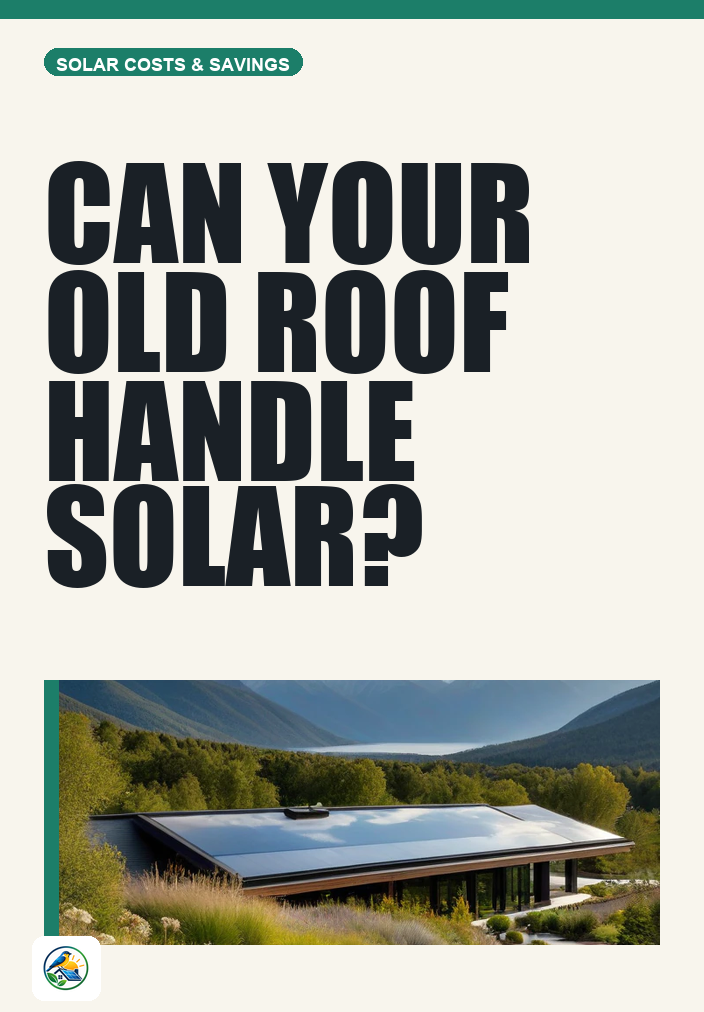
Understanding Solar Installation on Older Roofs
As solar energy becomes increasingly popular among U.S. homeowners, many are left wondering whether their older roofs can accommodate a solar installation. This decision is not just about the initial investment; it also involves evaluating the roof’s condition, the potential for energy savings, and what options are available to you. In this article, we will explore the considerations you need to take into account when thinking about installing solar panels on an older roof.
Assessing Your Roof’s Condition
Before diving into solar installation, it’s crucial to evaluate the condition of your roof. An older roof may have several issues that could complicate or even prohibit a solar installation. Here are some key factors to consider:
- Age of the Roof: If your roof is nearing the end of its lifespan, it may be advisable to replace it before installing solar panels. Roofs typically last 20-30 years, so knowing your roof’s age is essential.
- Material: Different roofing materials (asphalt shingles, tile, metal, etc.) have varying levels of durability and compatibility with solar installations. Some materials may require additional support or special mounting techniques.
- Structural Integrity: Look for signs of wear, such as sagging, missing shingles, or leaks. A professional inspection is highly recommended to assess the structural integrity of your roof.
- Recent Repairs: Consider any recent repairs or renovations. If your roof has been patched or partially replaced, it may be worth consulting with a professional to ensure that the entire roofing system can adequately support solar panels.
Evaluating Solar Installation Options
Once you have a clear picture of your roof’s condition, the next step is to explore your solar installation options. Here are several configurations to consider:
Grid-Tied Solar Systems
These systems are the most common for residential installations. They connect to the utility grid and allow you to draw power during the night or cloudy days. If your roof is in decent shape, a grid-tied system could be a viable option.
Battery Backup Systems
If you’re concerned about power outages or want to maximize your energy independence, consider a battery backup system. These systems store energy generated during the day for use at night or during outages. However, keep in mind that installing batteries may require additional upgrades to your electrical system.
Off-Grid Systems
These systems are entirely independent of the utility grid and use batteries for energy storage. Off-grid systems may be more complex and costly, which might not be practical if your roof requires significant repairs.
Hybrid Systems
These combine grid-tied and battery systems, offering flexibility and security. However, they can be more expensive upfront and might require an upgraded electrical panel.
Considerations for Installation
When evaluating solar options for an older roof, keep the following considerations in mind:
- Permitting and Regulations: Local building codes and zoning regulations may impact your ability to install solar panels. Check with local authorities before proceeding.
- Shade and Orientation: The effectiveness of solar panels can be significantly impacted by shade from trees, buildings, or other obstructions. A south-facing roof with minimal shade is ideal.
- Electrical Upgrades: An older home may require electrical upgrades to handle the additional load from the solar system. This could add to your installation costs.
- Financing Options: Consider how you will finance your solar installation. Options can include cash, loans, leases, or power purchase agreements (PPAs). Each has its pros and cons, so evaluate what works best for your financial situation.
- Maintenance Needs: Older roofs may require more maintenance than newer ones. Consider the long-term implications of roof maintenance in relation to your solar system.
Getting Accurate Quotes
To make an informed decision, it’s important to gather quotes from qualified solar installers. Here’s how to approach this step:
- Research Qualified Installers: Look for installers with experience in your area who are knowledgeable about local regulations and incentives.
- Request Site Assessments: Have potential installers conduct a thorough site assessment to evaluate your roof’s condition and the suitability for solar installation.
- Compare Itemized Quotes: When receiving quotes, ensure they are itemized to understand the cost breakdown. This should include equipment, labor, permits, and any potential electrical upgrades.
- Ask Questions: Don’t hesitate to ask installers about their experience, warranties, and maintenance recommendations.
Final Thoughts
Installing solar panels on an older roof is not a straightforward decision. It requires careful consideration of your roof’s condition, the type of solar system that best fits your needs, and the financial implications. While solar energy can provide significant benefits, it is essential to ensure that your roof is suitable for such an investment.
By conducting thorough research and obtaining multiple quotes from qualified installers, you can make a more informed decision about whether solar installation is right for your home. Keep in mind that local regulations, incentives, and individual circumstances can greatly influence the outcome, so always verify current information before proceeding.
Next Steps
To move forward, start by assessing your roof’s condition and researching local solar installers. Request site assessments and compare itemized quotes to understand the financial implications. This groundwork will help you make an informed choice about the viability of solar energy for your home.


















