Understanding the Cost of Solar with Batteries for Well Pumps
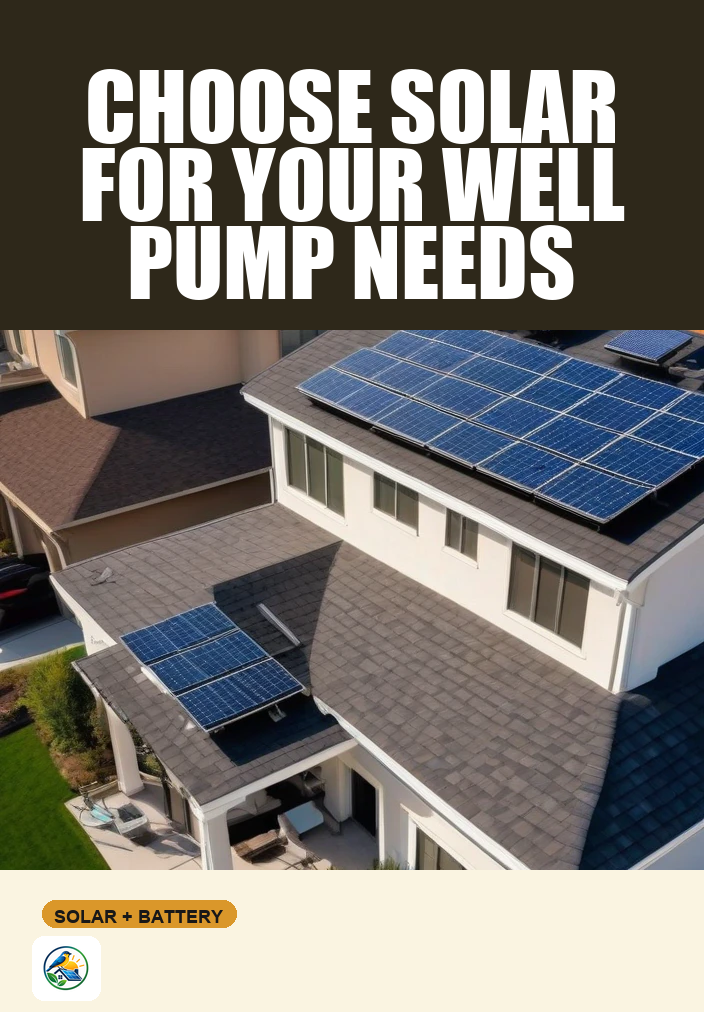
If you’re a U.S. homeowner relying on a well pump for your water supply, you may be considering solar energy as a solution. Installing a solar system with batteries can offer independence from traditional power sources, particularly in rural areas. However, understanding the costs involved compared to traditional solutions is crucial for making informed decisions. This article explores the financial implications, options available, and important considerations for integrating solar with battery storage for well pumps.
Cost Comparison: Solar with Batteries vs. Traditional Solutions
When evaluating solar with battery storage against traditional well pump solutions, it’s important to break down the costs associated with each option. Traditional solutions often involve connection to the grid or the use of generators, which typically incur monthly utility bills or fuel costs. In contrast, solar systems can provide a more sustainable and potentially lower long-term cost solution.
Traditional Well Pump Solutions
Traditional solutions for powering well pumps generally include:
- Grid-Tied Systems: Many homeowners connect their well pumps to the local electricity grid, incurring monthly electricity costs based on usage.
- Generators: Portable or permanent generators are common, but they require fuel and regular maintenance, making them less convenient and more costly over time.
The ongoing costs of traditional systems can add up, especially in areas with fluctuating electricity rates or frequent power outages requiring generator use.
Cost of Solar with Batteries
Investing in solar panels with battery storage entails upfront costs, but it can reduce or eliminate reliance on traditional utilities. Here are the main components to consider:
- Solar Panels: The primary cost driver; prices can vary based on system size, panel type, and installation complexity.
- Battery Storage: Batteries store energy for use when the sun isn’t shining. The capacity needed will depend on your well pump’s energy requirements.
- Installation: Professional installation is often recommended for safety and efficiency, and installation costs can vary by region.
While the initial investment can be significant, it’s essential to consider long-term benefits like energy independence and potential savings on electricity bills.
Key Considerations for Homeowners
Before deciding on solar with battery storage, homeowners should take several factors into account:
Energy Needs Assessment
Understanding your well pump’s energy requirements is crucial. Consider the following:
- What is the power rating of your pump?
- How often does your pump operate, and for how long?
- What other household energy needs must be met during the same time?
This assessment will help determine the size of the solar system and battery storage needed.
Installation Environment
The installation environment plays a significant role:
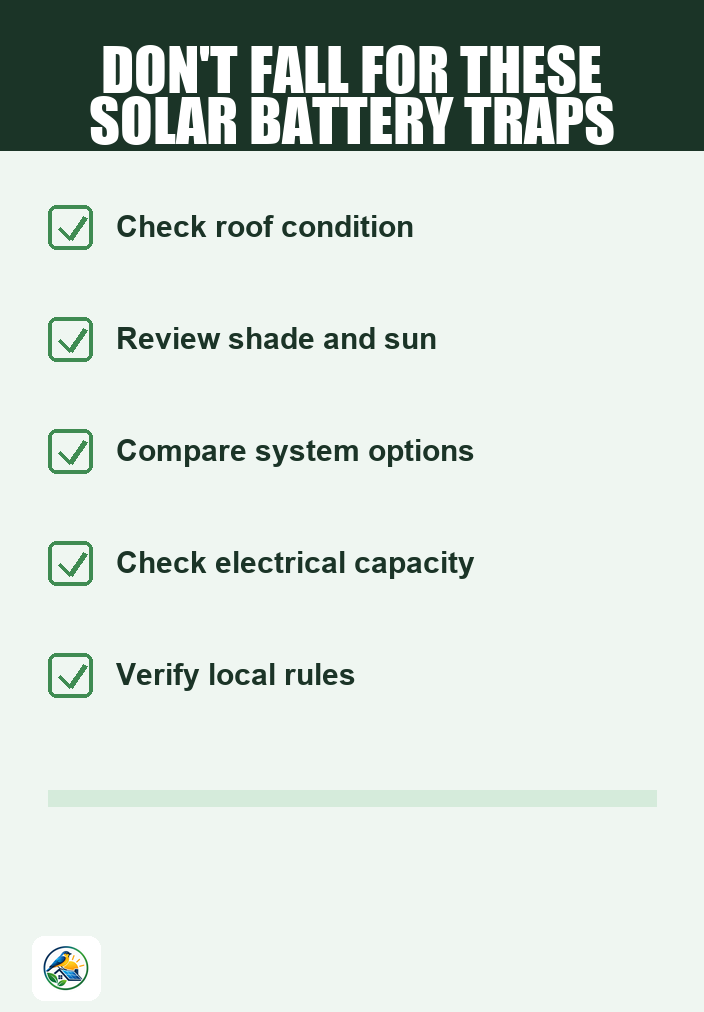
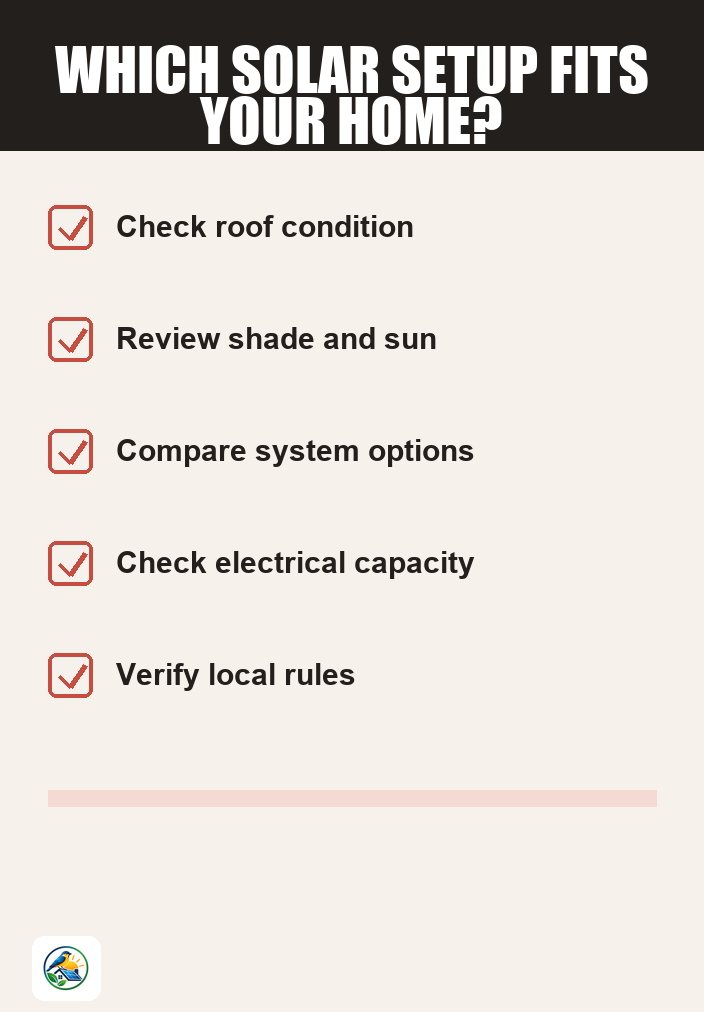
- Roof Condition: Ensure your roof is structurally sound and in good condition. Repairs may be necessary before installation.
- Shade and Orientation: A roof with optimal sun exposure will yield better energy production. Consider any trees or buildings that may cast shade.
- Space Availability: Ensure there is enough space for both solar panels and battery units, especially if you plan to expand in the future.
Financial Considerations
Financing options can vary widely. Homeowners may consider:
- Purchasing systems outright.
- Financing options with monthly payments.
- Leasing options available through some installers.
Each financing option comes with different long-term costs and implications, so it’s essential to evaluate them carefully.
Maintenance and Lifespan
Both solar systems and traditional solutions require maintenance, but the nature of the maintenance varies:
- Solar Systems: Routine inspections, cleaning panels, and monitoring battery health are essential for longevity.
- Traditional Systems: Generators require fuel and servicing, while grid-tied systems depend on utility maintenance.
Generally, solar systems can have a longer lifespan, with many components lasting 25 years or longer.
Permitting and Incentives
Before proceeding, homeowners should check local regulations regarding solar installations, as these can affect timelines and costs. Additionally, look into available incentives:
- State-specific solar rebates and incentives.
- Federal tax credits for solar installations (verify current status).
- Local utility programs that may offer net metering or other incentives.
Consult with a local solar installer to understand what options are available and how they apply to your specific situation.
Next Steps: Making Your Decision
Choosing between solar with battery storage and traditional well pump solutions requires careful consideration of both immediate costs and long-term benefits. To make an informed decision, consider the following steps:
- Conduct a thorough energy needs assessment for your well pump.
- Evaluate your home’s installation environment for solar suitability.
- Gather and compare itemized quotes from qualified solar installers in your area.
- Research local incentives and regulations related to solar energy.
By taking these steps, you can gain a clearer understanding of how solar with batteries for well pumps fits into your overall energy strategy. Remember, the key is to gather as much information as possible to make an informed choice that suits your unique needs.