Understanding Solar Batteries vs. Generators
Homeowners today are increasingly looking for reliable energy solutions that can provide power during outages or help reduce reliance on the grid. Two popular options are solar batteries and generators. While both can serve as energy backups, they operate differently and offer distinct benefits and drawbacks. Understanding these differences is crucial for making an informed decision that fits your home’s energy needs.
1. Energy Source: Solar vs. Fuel
The most fundamental difference between solar batteries and generators lies in their energy sources. Solar batteries store energy generated from solar panels, harnessing sunlight to provide power when needed. In contrast, generators typically run on gasoline, diesel, or propane, converting fuel into electricity.
This distinction impacts not only how energy is produced but also the long-term sustainability of each option. Solar batteries promote renewable energy use and can lead to lower operational costs over time, while generators rely on fossil fuels, which can be subject to price fluctuations and environmental concerns.
2. Initial Costs and Installation
When considering your options, initial costs and installation are crucial factors. Solar battery systems usually have higher upfront costs due to the price of solar panels and battery storage systems. However, they may qualify for various state and federal tax incentives that can lessen the financial burden.
Generators, while often less expensive upfront, require fuel purchases and maintenance over time, which can add up. Additionally, installation costs for generators can vary based on the type (portable vs. standby) and whether additional electrical work is needed.
3. Power Output and Capacity
Power output is essential when choosing between these options. Solar batteries typically have a limited capacity, meaning they can store only a certain amount of energy for use. This limitation may vary based on the size of your battery system and the amount of sunlight available.
Generators, on the other hand, can provide a continuous power supply as long as there is fuel. This makes them particularly useful for extended outages or for homeowners who require a significant amount of power for appliances like air conditioners and heaters.
4. Maintenance Requirements
Both solar batteries and generators come with maintenance needs, but they differ significantly in their requirements. Solar batteries generally require less frequent upkeep. Most systems are designed to last several years with minimal intervention, aside from occasional software updates or inspections.
Generators, however, need regular maintenance, including oil changes, fuel checks, and battery replacements, especially if they are used often. Failing to maintain a generator can lead to failures during critical times, which can be a significant downside.
5. Environmental Impact
For environmentally conscious homeowners, the differences in environmental impact between solar batteries and generators are significant. Solar batteries rely on renewable energy, reducing carbon footprints and contributing to a cleaner energy landscape.
Conversely, generators emit greenhouse gases and contribute to air pollution, particularly when used frequently. Some homeowners may prioritize sustainability in their energy choices, making solar batteries the more appealing option.
6. Noise Level and Aesthetic Considerations
Noise can be an important factor for homeowners when selecting an energy backup solution. Generators can be quite loud during operation, especially those powered by gasoline or diesel. This noise can be disruptive and may not be suitable for neighborhoods with strict noise ordinances.
Solar batteries, on the other hand, operate quietly and do not produce any sound during energy storage or usage. Additionally, solar panels can be installed on rooftops, preserving yard space and maintaining the aesthetic appeal of your home.
7. Grid Independence vs. Backup Power
Solar batteries can provide a degree of grid independence. When paired with a solar panel system, they allow homeowners to generate, store, and use their own energy, reducing reliance on utility companies. This is particularly beneficial in areas with high energy costs or frequent power outages.
Generators primarily serve as a backup power source. They do not provide the same level of independence from the grid, as they require fuel to operate and are typically used during outages or emergencies. Homeowners must weigh their need for grid independence against the reliability of generators.
8. Choosing the Right Solution for Your Home
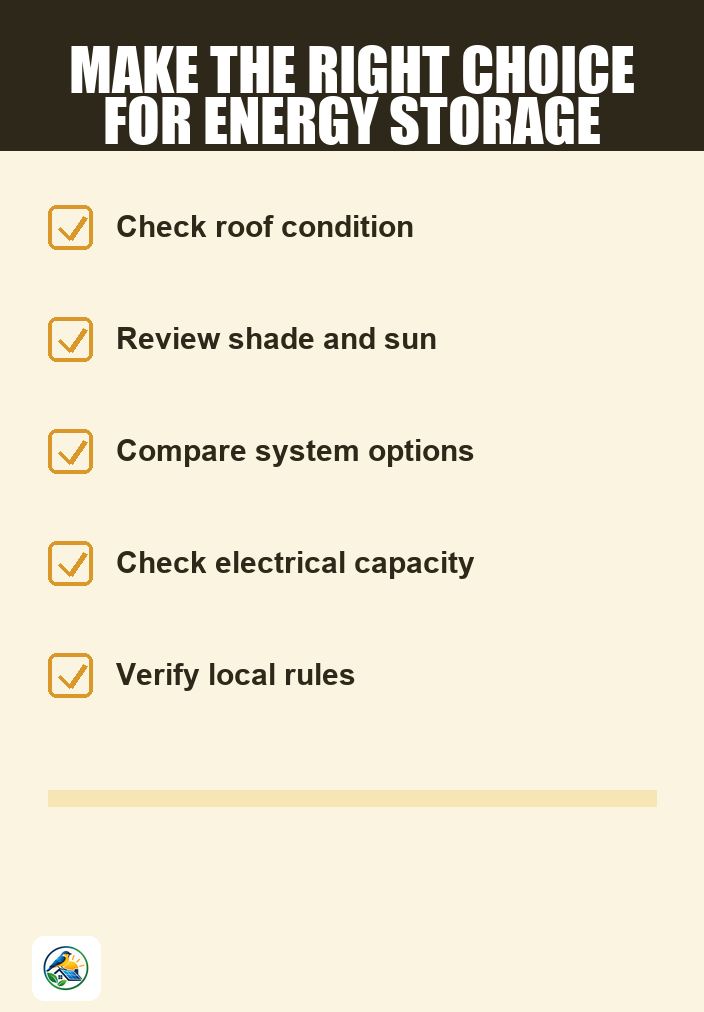
The choice between solar batteries and generators ultimately depends on your specific needs, budget, and energy goals. Homeowners should consider the following factors:
- Energy Needs: Assess how much power you need during an outage and for how long.
- Budget: Determine your initial costs versus long-term expenses.
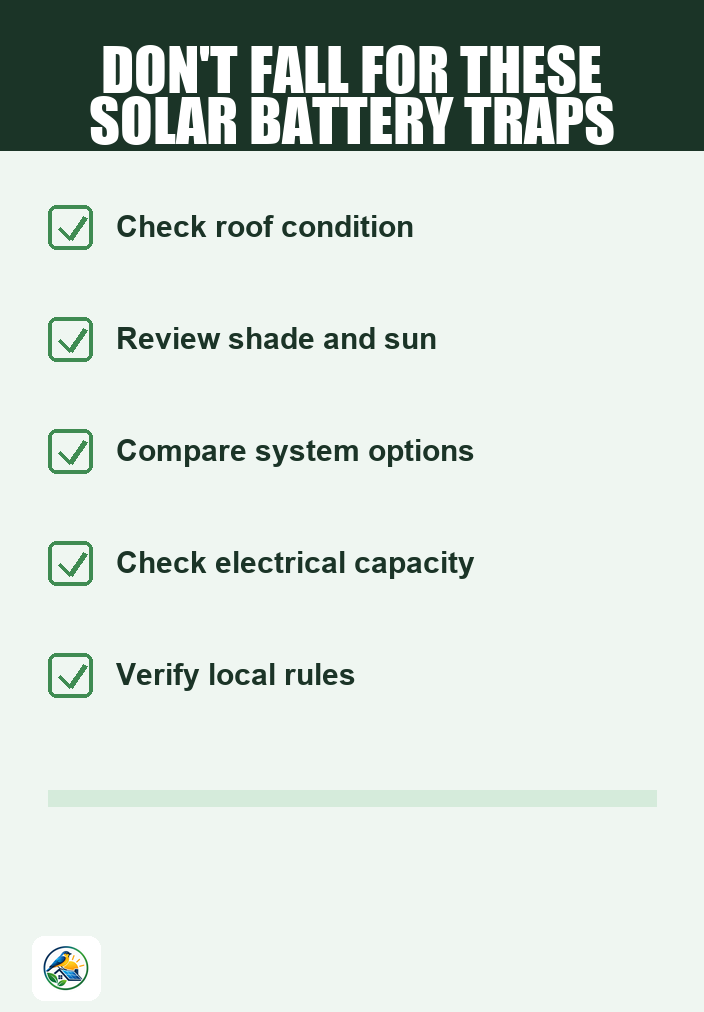
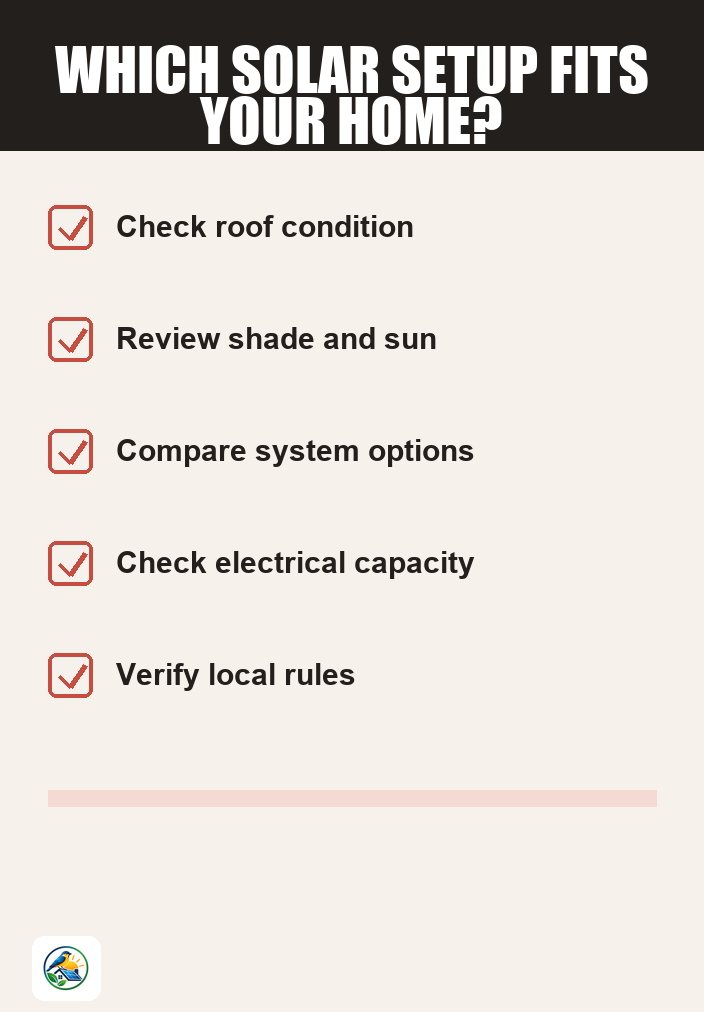
- Location: Consider local climate, sunlight availability, and utility policies.
- Environmental Concerns: Reflect on how important sustainability is to you.
- Maintenance: Evaluate your willingness to perform regular maintenance.
Consulting with a professional installer can provide valuable insights tailored to your specific home. They can help you assess your energy needs and provide itemized quotes for both solar batteries and generators, allowing you to make an informed decision.
Next Steps
As you explore your options, consider reaching out to qualified solar energy installers for detailed quotes tailored to your home. Comparing itemized quotes will help you understand the costs, benefits, and potential trade-offs of each solution. Take the time to gather all the necessary information to make a decision that aligns with your home’s energy needs and your personal values.