
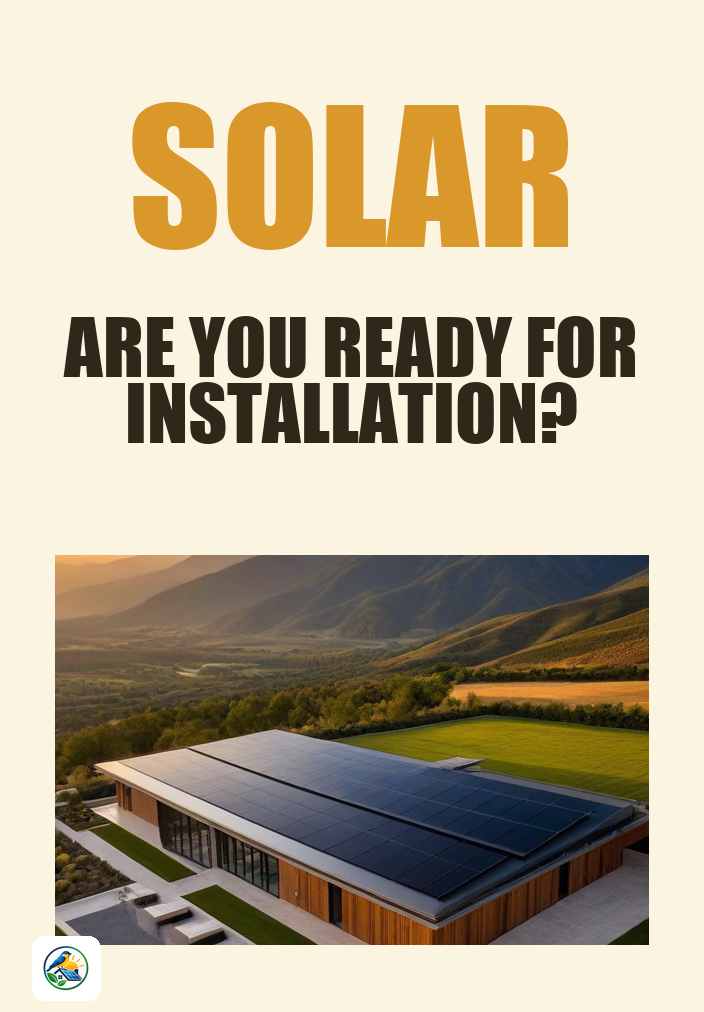
Understanding Solar Financing for First-Time Homeowners
For many first-time homeowners, installing a residential rooftop solar system represents an exciting step toward energy independence and sustainability. However, navigating the world of solar financing can be daunting. To help you make an informed decision, let’s unpack the essential aspects of solar financing you need to know before installation.
Types of Solar Financing Options
When considering solar installation, understanding your financing options is crucial. Here are the primary methods homeowners typically explore:
- Cash Purchase: Paying for your solar system upfront is the simplest method. This option allows you to avoid interest payments and financing fees, leading to potential long-term savings. However, it requires a significant initial investment.
- Solar Loans: Many financial institutions offer loans specifically for solar installations. These loans can cover the entire cost of the system, allowing you to pay over time. Interest rates and terms can vary, so it’s essential to shop around.
- Leasing: Some homeowners opt for solar leasing, where you pay a monthly fee to use the solar system without owning it. This can reduce upfront costs but may not provide the same long-term savings as ownership.
- Power Purchase Agreements (PPAs): In a PPA, you pay for the electricity generated by the solar system at a predetermined rate. This option often involves no upfront costs, but like leasing, it may limit your long-term financial benefits.
Evaluating Costs and Savings
While solar systems can lead to significant savings on energy bills, it’s important to approach this potential benefit with caution. The cost of solar installation varies widely based on factors such as:
- System Size: The size of the system you need will depend on your household’s energy consumption. Larger systems will generally cost more but can also produce more energy.
- Roof Condition and Orientation: Your roof’s condition, angle, and shading can impact installation costs and efficiency. Roofs that require repairs or are heavily shaded may lead to higher costs or reduced energy production.
- Local Incentives: Tax credits, rebates, and local incentives can significantly affect your overall costs. However, these programs vary by location and can change over time, so it’s critical to verify current information.
Understanding Incentives and Tax Credits
While many states and local governments offer incentives to promote solar energy, these can be complex. Federal tax credits may be available, but the details can change, and eligibility requirements differ. Always check with a tax professional or local government resources to understand what’s currently available.
Net Metering and Utility Policies
Net metering is a billing arrangement that allows you to receive credits for excess electricity your solar system generates. These credits can offset the cost of electricity you draw from the grid when your system isn’t producing enough energy (like at night). However, net metering policies vary by state and utility company, so it’s essential to research how your local utility handles this.
Battery Backup Systems: Are They Worth It?
Adding a home battery system can enhance your solar setup, allowing you to store excess energy for use during outages or at night. However, battery systems come with additional costs and considerations:
- Cost: Batteries can significantly increase the overall cost of your solar installation. Evaluate whether the added expense aligns with your energy needs and financial goals.
- Space Requirements: Batteries require space, so ensure you have an appropriate location in your home.
- Maintenance: Battery systems may require maintenance and have a limited lifespan. Factor these considerations into your decision.
Choosing the Right Installer
Finding a qualified installer is crucial for a successful solar project. Here are some steps to help you choose the right professional:
- Get Multiple Quotes: Obtain itemized quotes from several installers to compare pricing, equipment, and services. Look for transparency in what’s included in the quote.
- Check Qualifications: Verify the installer’s licenses, certifications, and experience. Look for reviews or testimonials from previous customers.
- Ask About Warranties: Inquire about warranties for both the equipment and the installation work. A reputable installer should offer robust warranty options.
Assessing Your Home’s Suitability for Solar
Before installing solar panels, assess your home’s suitability. Consider the following:
- Roof Condition: Make sure your roof is in good condition and can support the weight of solar panels.
- Sun Exposure: Evaluate how much sunlight your roof receives daily. A south-facing roof with minimal shade is typically ideal.
- Electrical System: Your home’s electrical system may need upgrades to accommodate solar. Consult with your installer to understand any necessary changes.
Next Steps for First-Time Homeowners
As you consider solar installation, take the following practical steps to ensure you’re making an informed decision:
- Research local solar incentives and financing options.
- Assess your home’s suitability for solar installation.
- Contact qualified installers to obtain detailed, itemized quotes.
- Review each quote carefully, focusing on costs, equipment, warranties, and installation timelines.
By taking the time to understand your financing options and the various factors involved, you can make a well-informed decision about whether a solar system is right for your home. Remember, solar isn’t the right fit for everyone, so weigh the pros and cons carefully.


















