
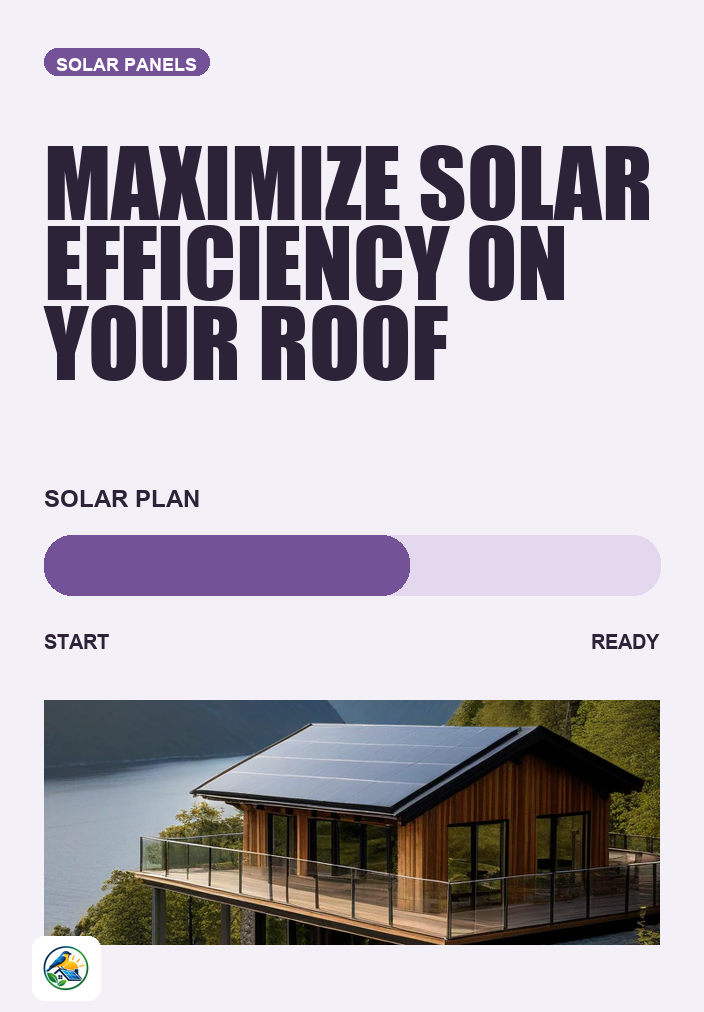
Understanding Your Roof: Shaded vs. Unshaded Solar Panel Options
When considering a solar panel installation for your home, one of the first questions you’ll face is whether your roof is suitable for solar energy. Particularly, if you have a shaded roof versus an unshaded one, the answer can significantly influence your decision-making process. This article will help U.S. homeowners explore the differences between solar panels on shaded roofs and unshaded roofs, enabling you to determine which option fits your home best.
The Basics of Solar Energy Production
Solar panels convert sunlight into electricity, making the availability of direct sunlight a crucial factor in their efficiency. Generally, the more sunlight your solar panels receive, the more energy they can generate. However, roofs with shading from trees, buildings, or other obstructions can complicate this equation. Understanding the implications of a shaded versus unshaded roof is essential before you proceed with a solar installation.
Shaded Roofs: Pros and Cons
Many homeowners may find that their roof is partially shaded at certain times of the day or year. Here’s a breakdown of the advantages and disadvantages of installing solar panels on a shaded roof.
Advantages
- Cost-Effectiveness: Depending on the extent of shading, you may require fewer panels to meet your energy needs, which can reduce initial installation costs.
- Solar Technology Improvements: New advancements in solar technology, such as microinverters and power optimizers, can help mitigate some shading issues by allowing individual panels to operate more efficiently even when shaded.
Disadvantages
- Reduced Energy Production: Shading can significantly decrease the overall energy output of your solar system. If your roof is shaded for a large part of the day, it may not produce enough energy to justify the investment.
- Complex Design Considerations: Professionals may need to perform a detailed site assessment to determine the best layout for your solar panels, potentially leading to additional costs and complications.
Unshaded Roofs: Pros and Cons
Homes with unshaded roofs typically have an easier path to solar energy adoption. Here’s what you need to consider if you’re in this situation.
Advantages
- Maximized Energy Production: Unshaded roofs receive direct sunlight, allowing your solar panels to generate energy efficiently throughout the day, optimizing your return on investment.
- Simpler Installation Process: With fewer variables in play, the installation process will likely be straightforward, decreasing the complexity and time needed for your project.
Disadvantages
- Higher Initial Costs: While energy production may be higher, you’ll likely need more panels to cover your energy needs, which can raise upfront costs.
- Potential Roof Condition Issues: If your unshaded roof requires repairs or has structural concerns, addressing these issues could add to the overall cost of installation.
Key Homeowner Considerations
When deciding between shaded and unshaded roofs for solar panel installation, there are several factors to keep in mind:
- Roof Condition: Before installation, ensure that your roof is in good condition. A roof needing repairs or replacement should be addressed prior to adding solar panels.
- Orientation: The orientation of your roof can affect solar panel performance. South-facing roofs generally receive the most sunlight, while east or west-facing roofs may still be effective but can yield different energy outputs.
- Future Landscaping Plans: If you plan to plant trees or make other changes to your property that could cast shade on your roof, consider the long-term implications for your solar energy generation.
- Local Regulations: Familiarize yourself with local permitting and interconnection rules, as they can vary widely and impact your installation process.
When to Get a Professional Installer Quote
Getting a quote from a professional installer is an essential step regardless of your roof condition. A qualified solar installer can conduct a thorough site assessment, providing insights into how shading affects your specific situation. They can also help you navigate local incentives and financing options.
When seeking quotes, ensure they include detailed breakdowns of costs, equipment specifications, and expected energy production. Having multiple itemized quotes can give you a clearer picture of your options and help you make an informed decision.
Next Steps for Homeowners
Ultimately, whether you have a shaded or unshaded roof, understanding the implications of each option will guide your decision-making process. Take the time to assess your roof, consider your energy needs, and consult with qualified solar installers. By comparing itemized quotes and evaluating the specifics of your situation, you can determine the best solar solution for your home.


















