
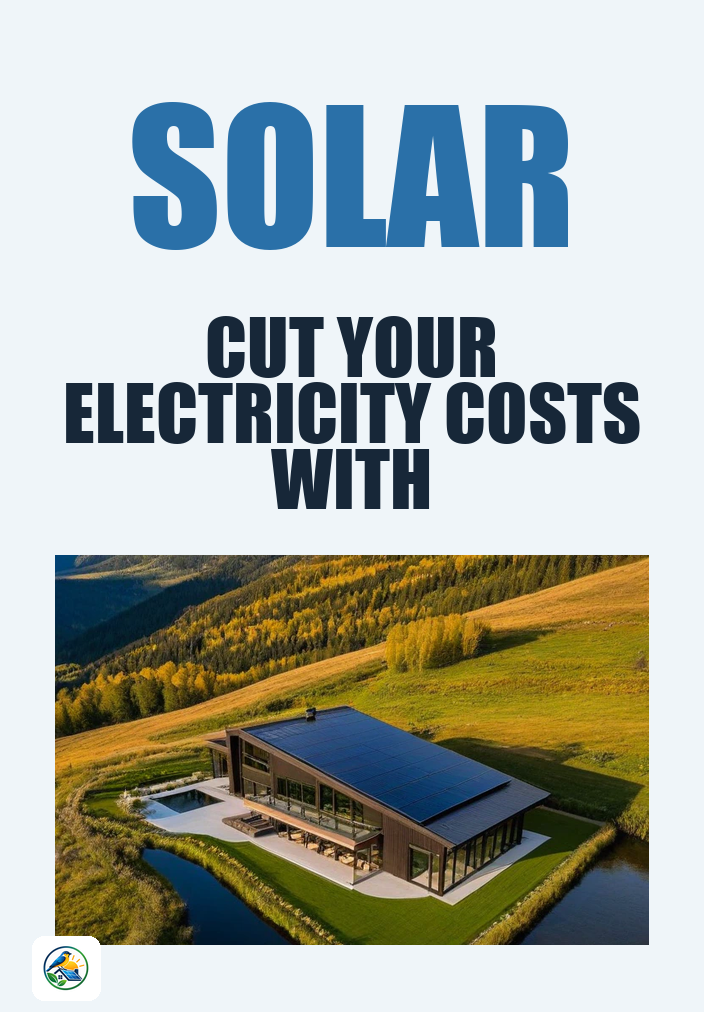
Understanding Your Electricity Bill and Solar Solutions
High electricity bills can be a source of stress for many homeowners. If you’re considering solar solutions as a way to manage these costs, it’s important to understand your options. Solar energy can be an effective tool for reducing your energy expenses, but it’s not a one-size-fits-all solution. This article will help you navigate the various solar options available to households, helping you make an informed decision.
Assessing Your Energy Needs
Before diving into solar solutions, you should assess your current energy consumption. Start by reviewing your electricity bills from the past year to identify trends. Look for:
- Monthly Usage: Note the kilowatt-hours (kWh) used each month.
- Seasonal Variations: Identify any spikes in usage during specific seasons, such as summer cooling or winter heating.
- Appliance Usage: Consider which appliances contribute most to your energy consumption, such as HVAC systems, water heaters, and refrigerators.
This analysis will help you understand your energy needs and how solar could fit into your overall consumption pattern.
Types of Solar Systems
When considering solar, you have various system options to choose from. Understanding these can aid in selecting the right setup for your household.
Grid-Tied Solar Systems
Grid-tied systems are the most common type for residential installations. They connect directly to the local utility grid, allowing you to draw electricity when your solar panels aren’t producing enough energy (e.g., at night). Key points include:
- Net Metering: You may receive credits for excess energy your system produces and sends back to the grid.
- Lower Initial Costs: These systems generally have lower installation costs because they don’t require batteries.
- Reliance on the Grid: If the grid goes down, your system will also shut off unless you have a backup option.
Battery Backup Systems
Battery backup systems can be added to grid-tied systems to store excess energy for use during outages or periods of low production. Considerations include:
- Increased Resilience: You can maintain power during grid outages.
- Higher Costs: Batteries significantly increase the initial investment and may require additional maintenance.
- Limited Storage Capacity: Batteries have a finite amount of energy they can store, which may not cover long durations without sunlight.
Off-Grid Systems
Off-grid systems are designed for homes that are not connected to the utility grid. These systems rely entirely on solar energy and battery storage. They represent a larger investment and require careful planning to ensure sufficient energy supply. Key considerations include:
- Self-Sufficiency: You are completely independent of the grid.
- Higher Complexity: Requires more extensive system design and maintenance.
- Potential for Limited Power: You must carefully manage energy use, especially in poor weather conditions.
Evaluating Roof Conditions and Location
Your roof plays a critical role in determining the feasibility and efficiency of a solar installation. Factors to consider include:
- Orientation: South-facing roofs typically capture the most sunlight, while east or west-facing roofs can still be effective.
- Shade: Nearby trees or buildings that cast shade on your roof can significantly reduce solar panel efficiency.
- Condition: Ensure your roof is in good repair and can support the weight of solar panels.
- Space: Sufficient space is needed for the number of panels required to meet your energy needs.
Understanding Costs and Financing Options
Solar installation costs can vary widely based on equipment, installation complexity, and regional factors. While it’s essential to consider the upfront costs, think also about long-term financing options that can make solar more accessible. Here are some common financing methods:
- Cash Purchase: Paying upfront can eliminate interest costs and may offer the best savings over time.
- Loan Options: Many homeowners opt for solar loans that allow them to pay over time, often with favorable interest rates.
- Leases and Power Purchase Agreements (PPAs): These allow homeowners to pay for solar energy without owning the system, although they may not benefit from tax incentives.
Be sure to compare financing options to find one that works with your budget and financial situation.
Incentives and Tax Credits
Many homeowners can benefit from federal, state, and local incentives designed to encourage solar adoption. However, these incentives can change frequently, so it’s crucial to verify current options. Common types of incentives include:
- Federal Tax Credit: A tax credit may be available for a percentage of the installation costs, though specific percentages and eligibility requirements can vary.
- State Incentives: Many states offer their own incentives, including rebates or tax credits.
- Local Utility Rebates: Some utility companies provide rebates for solar installation or performance-based incentives.
Next Steps for Homeowners
As you navigate your solar options, consider these practical next steps:
- Assess Your Energy Needs: Review your electricity bills and identify usage patterns.
- Research System Types: Evaluate grid-tied, battery backup, and off-grid systems to determine what fits your needs.
- Examine Your Roof: Ensure it’s in good condition and suitable for solar installation.
- Compare Quotes: Obtain itemized quotes from qualified installers to understand installation costs and financing options.
- Verify Incentives: Check with local authorities or tax professionals to confirm current incentives available in your area.
By taking these steps, you can make an informed decision on whether solar energy is a suitable solution for your home, helping you effectively manage high electricity bills while considering your unique circumstances.


















