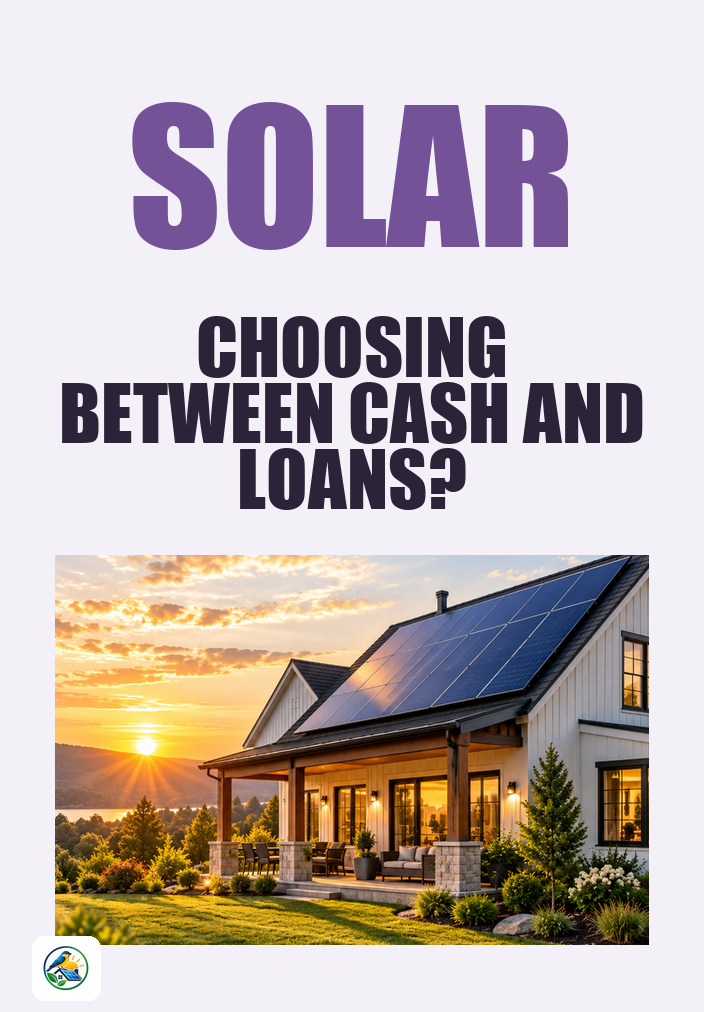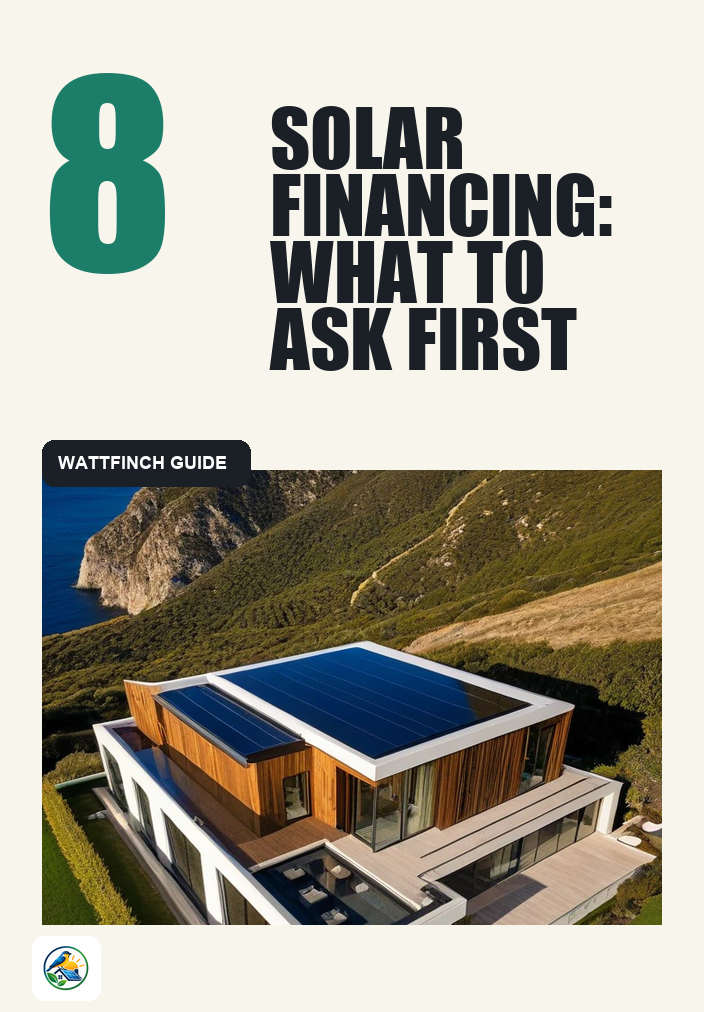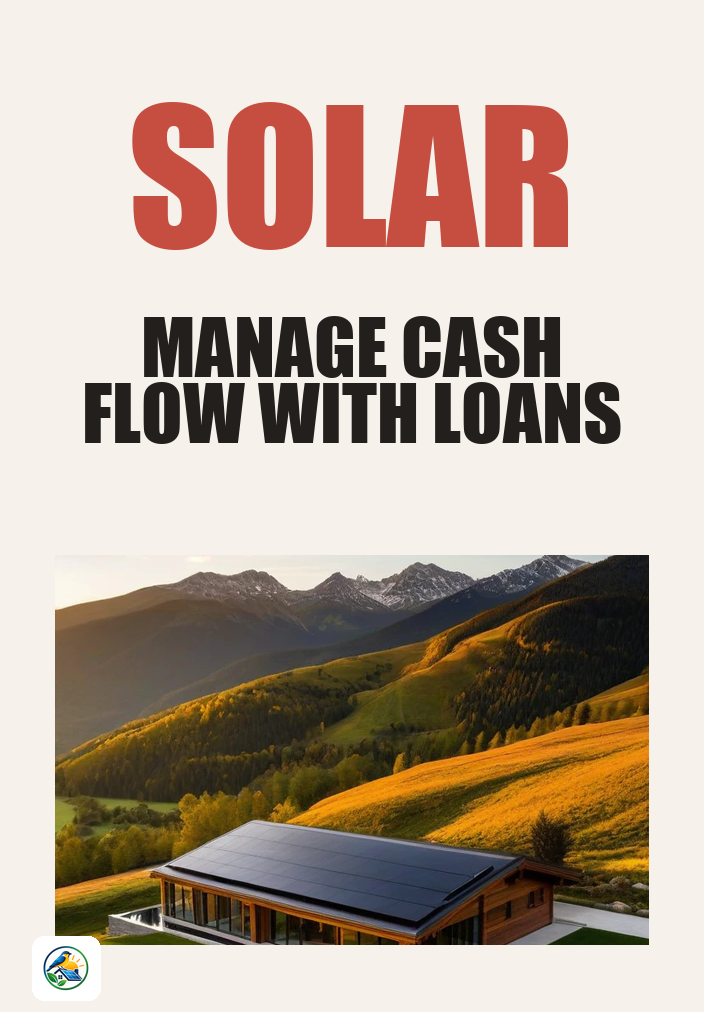
Understanding Your Financing Options for Solar Energy
Making the decision to install a solar energy system in your home is monumental, not only for your energy bills but also for your financial situation. One of the first questions you’ll face is whether to pay for the system upfront with cash or finance it through a loan. Each option has its advantages and drawbacks, and the right choice largely depends on your financial circumstances, long-term goals, and the specifics of your home.
Cash Purchase: Pros and Cons
Paying cash for your solar system means you own it outright from day one. This option eliminates monthly payments and interest, which might make it appealing. However, it also requires a significant upfront investment.
Advantages of Paying with Cash
- No Debt: Owning your solar system outright means you won’t have to worry about monthly payments or interest rates, which can give you peace of mind.
- Immediate Savings: Without a loan, you can start saving on your electricity bills right away, depending on your local utility rates and solar production.
- Potential for Higher Resale Value: Homes with owned solar systems may have a higher resale value than those with financed systems, as buyers are often attracted to properties with no outstanding solar debt.
- Tax Incentives: In many cases, cash purchases allow you to take full advantage of any available federal, state, or local tax incentives without the complications that financing can introduce.
Disadvantages of Paying with Cash
- High Initial Cost: The upfront cost can be a significant barrier for many homeowners, especially if you also need to consider roof repairs or electrical upgrades.
- Opportunity Cost: Spending cash on solar might mean missing out on other investment opportunities that could yield a higher return than the savings from your solar system.
- Cash Flow Impact: Tying up a large amount of cash in a solar system could affect your liquidity and financial flexibility for other needs or emergencies.
Financing Options: Loans and Leases
If paying cash isn’t feasible, financing is a common pathway for many homeowners. There are mainly two types of financing options available: loans and leases. Both have their own set of pros and cons.
Solar Loans
Solar loans allow you to spread the cost of your solar system over time. This can be done through a secured loan, where the solar equipment serves as collateral, or an unsecured personal loan.
- Lower Upfront Payment: This option typically requires a smaller initial payment, making it easier for homeowners to afford solar installation.
- Ownership: With a loan, you still own the system, which means you can benefit from tax credits and incentives.
- Flexible Terms: Many lenders offer different financing terms, allowing you to choose a plan that best fits your budget.
Considerations for Solar Loans
- Interest Payments: Loans come with interest rates, which could reduce your overall savings compared to a cash purchase.
- Debt Burden: Taking on a loan adds another monthly obligation, which may strain your finances if not managed carefully.
- Credit Requirements: Approval often depends on your credit score, which could limit access to favorable loan terms.
Leasing and Power Purchase Agreements (PPAs)
Leasing a solar system or entering a Power Purchase Agreement (PPA) means you essentially rent the system from a provider. This option requires minimal upfront costs, but there are important trade-offs.
- Minimal Upfront Costs: Leasing or a PPA often requires little to no initial payment, making solar accessible to a broader range of homeowners.
- Maintenance Included: Many leases and PPAs include maintenance, which can reduce long-term hassle for homeowners.
- Predictable Monthly Payments: Payments can be lower and more predictable than utility bills, allowing for easier budgeting.
Drawbacks of Leasing and PPAs
- No Ownership: You do not own the system, meaning you miss out on tax incentives and potential future savings.
- Long-Term Commitment: These agreements often last 20 years or more, which could be a concern if your living situation changes.
- Less Flexibility: Modifications to your solar system or selling your home may be complicated by existing agreements.
Making the Right Choice for Your Home
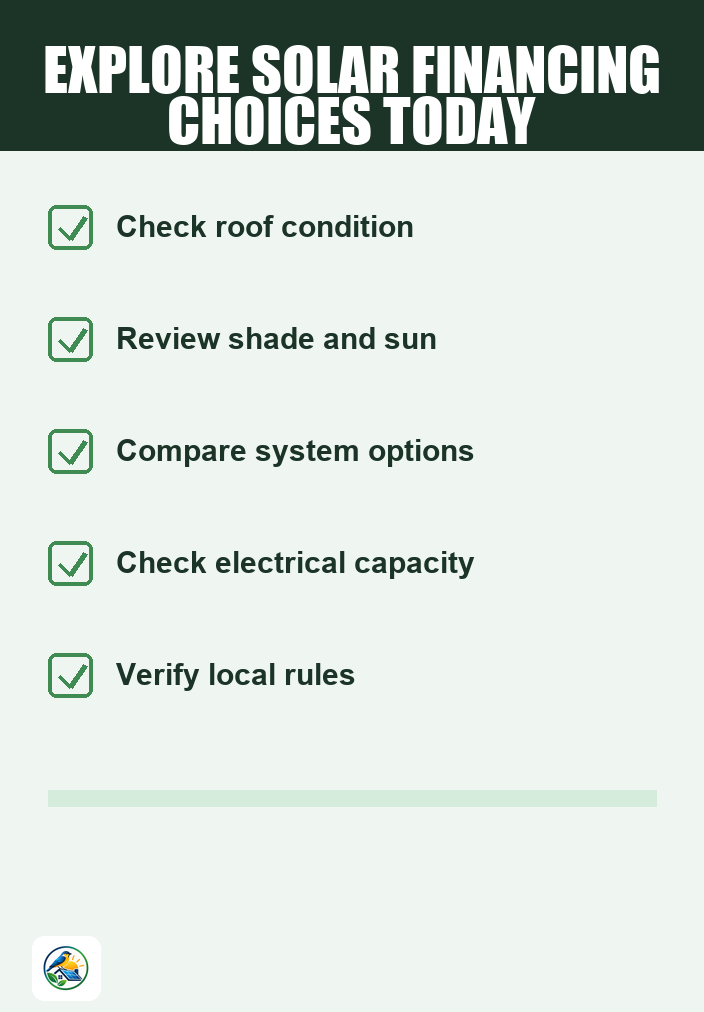
Deciding whether to pay cash or finance your solar system involves weighing your current financial situation against your long-term goals. Here are some practical considerations to guide your decision:
- Assess Your Budget: Determine how much you can afford to spend upfront without impacting your financial stability.
- Evaluate Your Financial Goals: Consider whether investing in solar aligns with your broader financial strategies, including savings and investments.
- Long-Term Plans: Think about how long you plan to stay in your home. If you plan to move soon, leasing might be less advantageous.
- Check Local Incentives: Research current tax credits and incentives that could affect your total costs, as they can vary widely based on your location.
- Get Professional Quotes: Consult with qualified solar installers to obtain itemized quotes that outline costs, financing options, and potential savings.
Next Steps: Getting Started
Before making a final decision, it’s essential to gather detailed information specific to your situation. Start by comparing itemized quotes from qualified solar installers in your area. Look for comprehensive details regarding the costs, financing options, and any potential savings. By arming yourself with information, you can make a more informed choice about whether to loan or pay cash for your solar system.